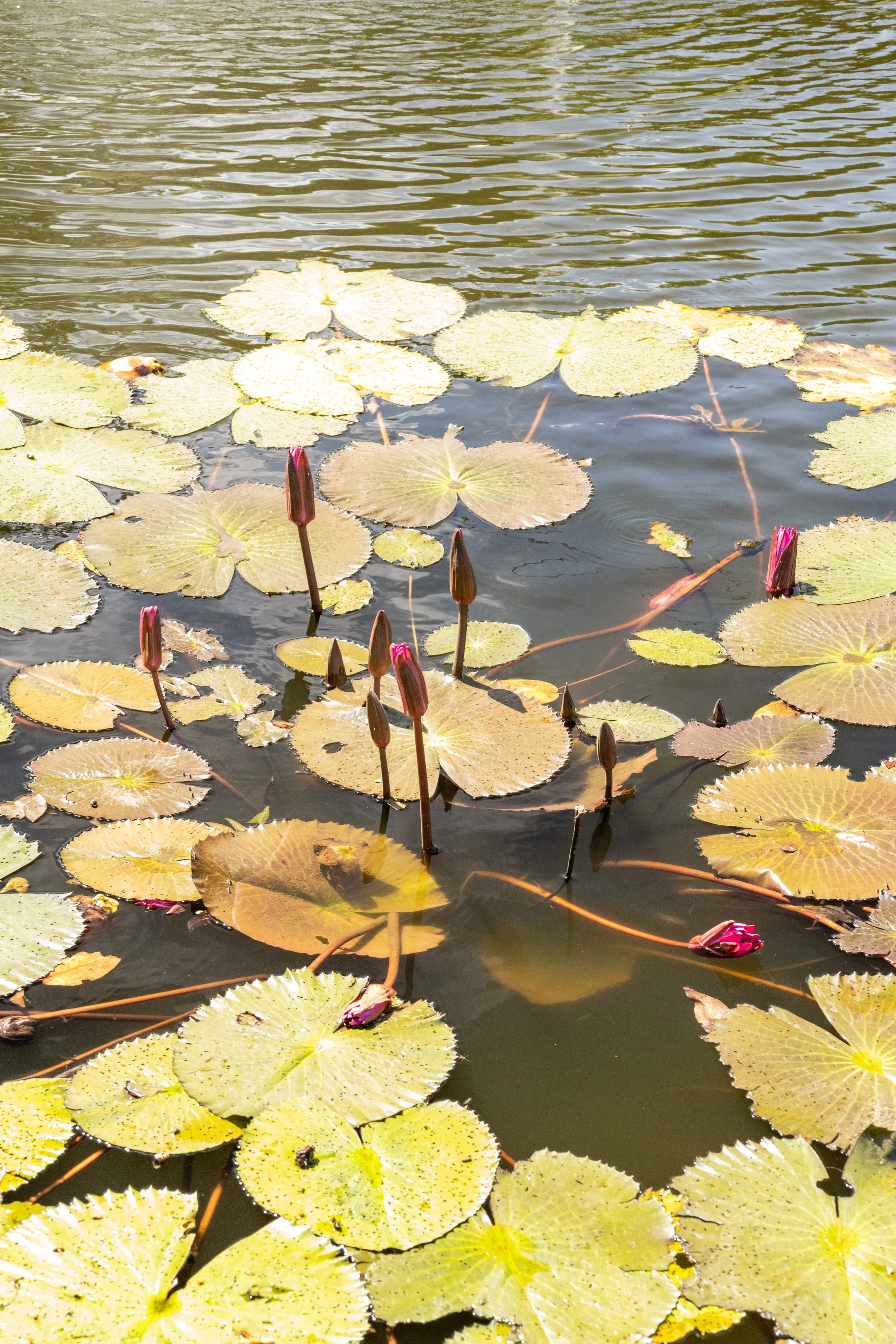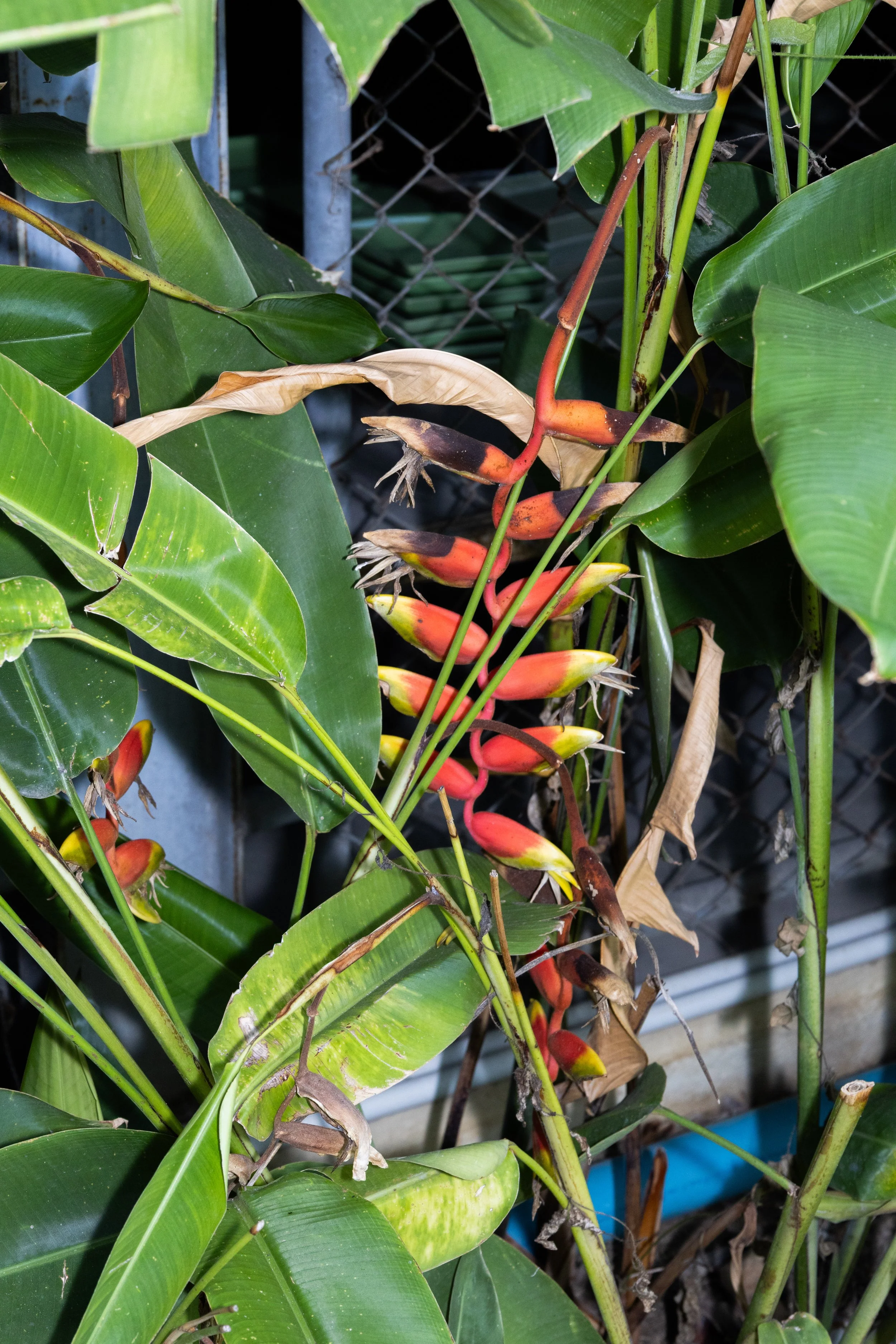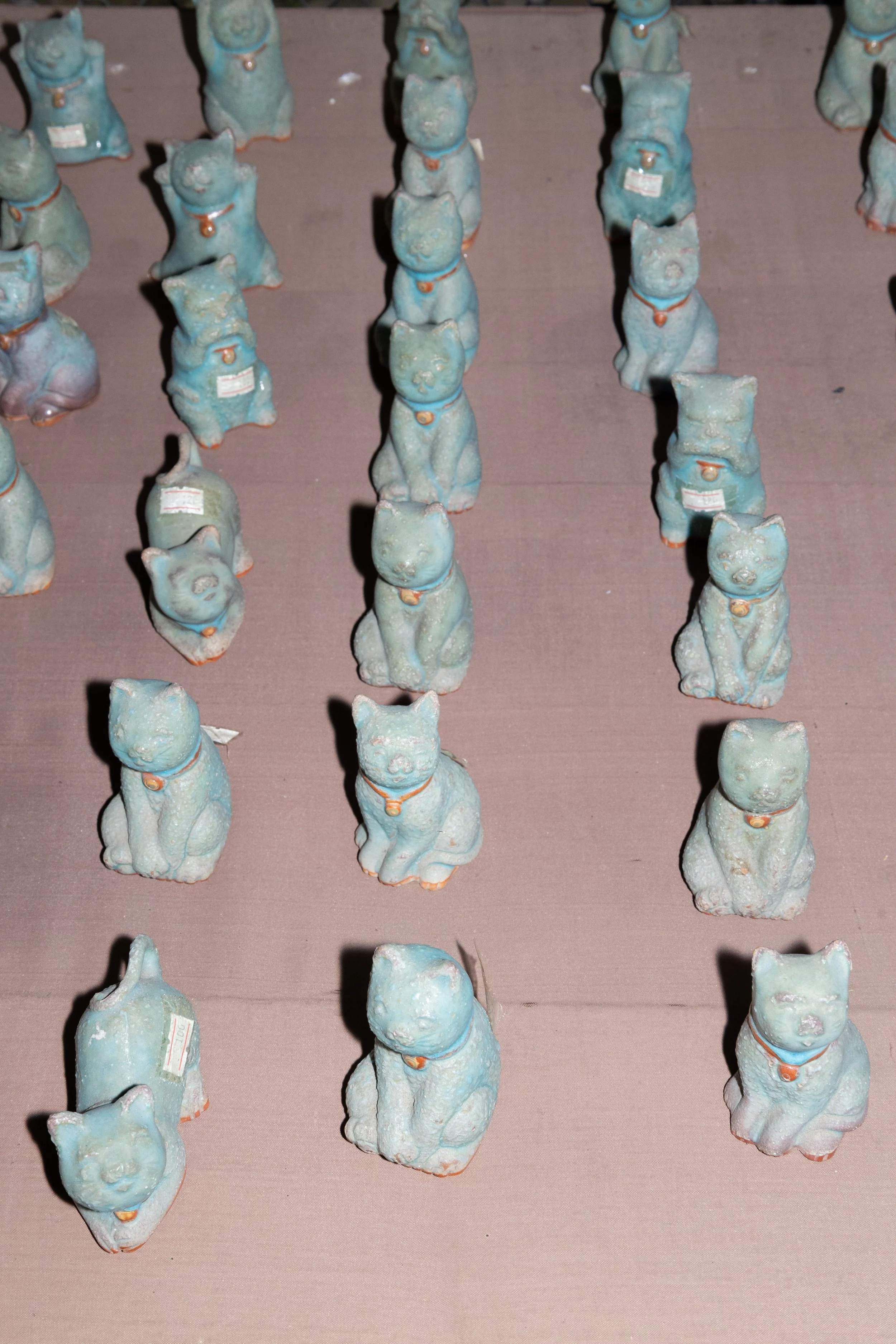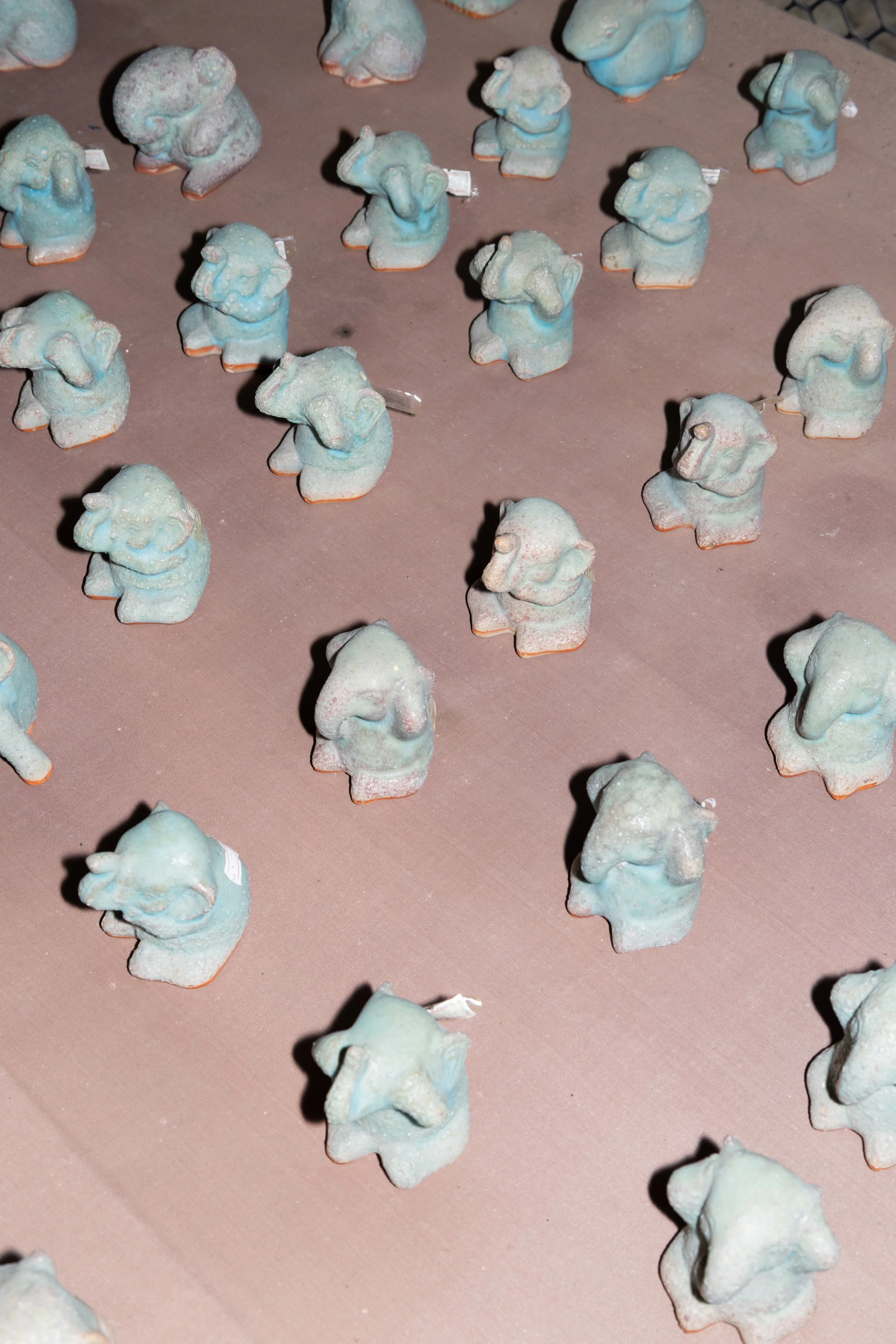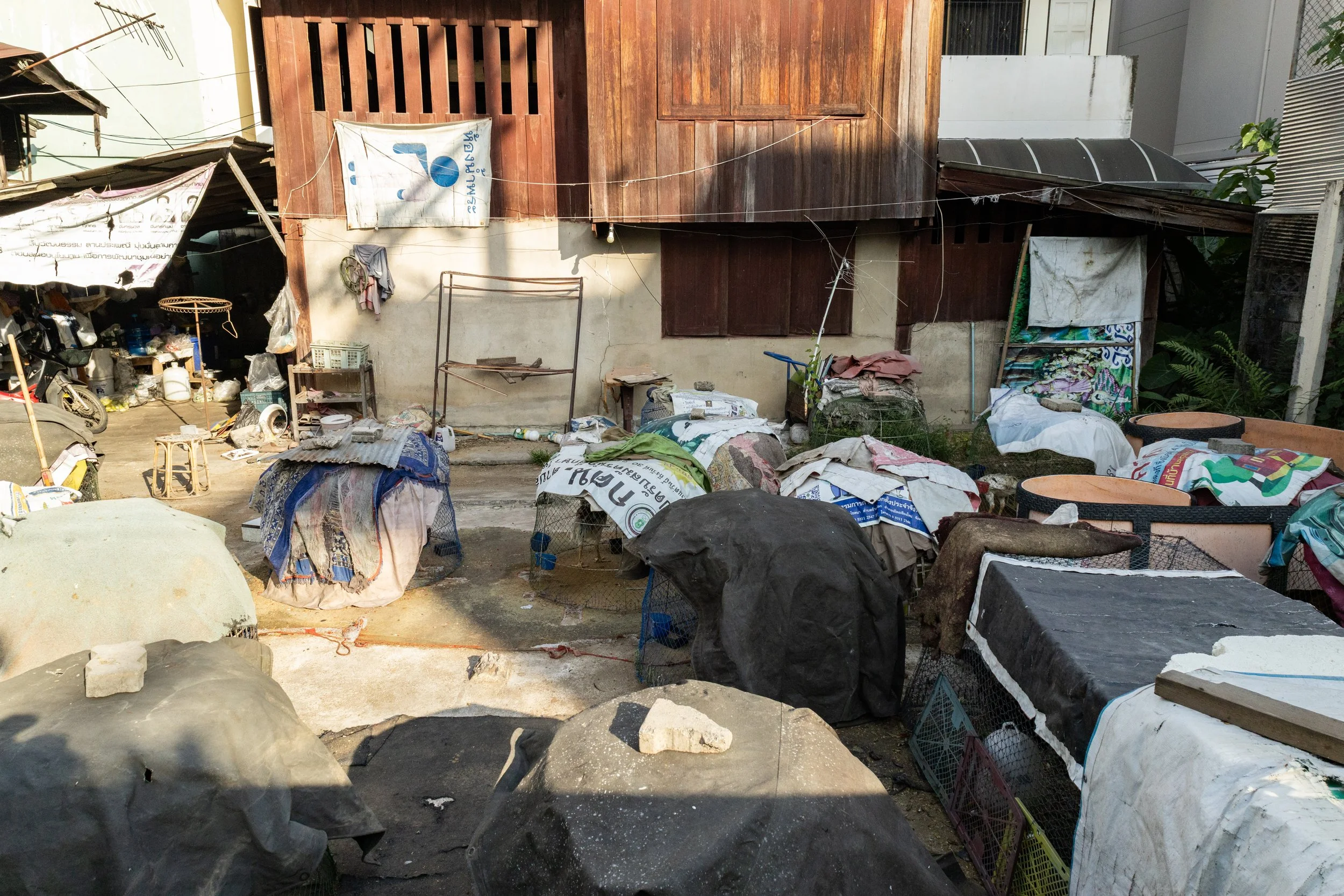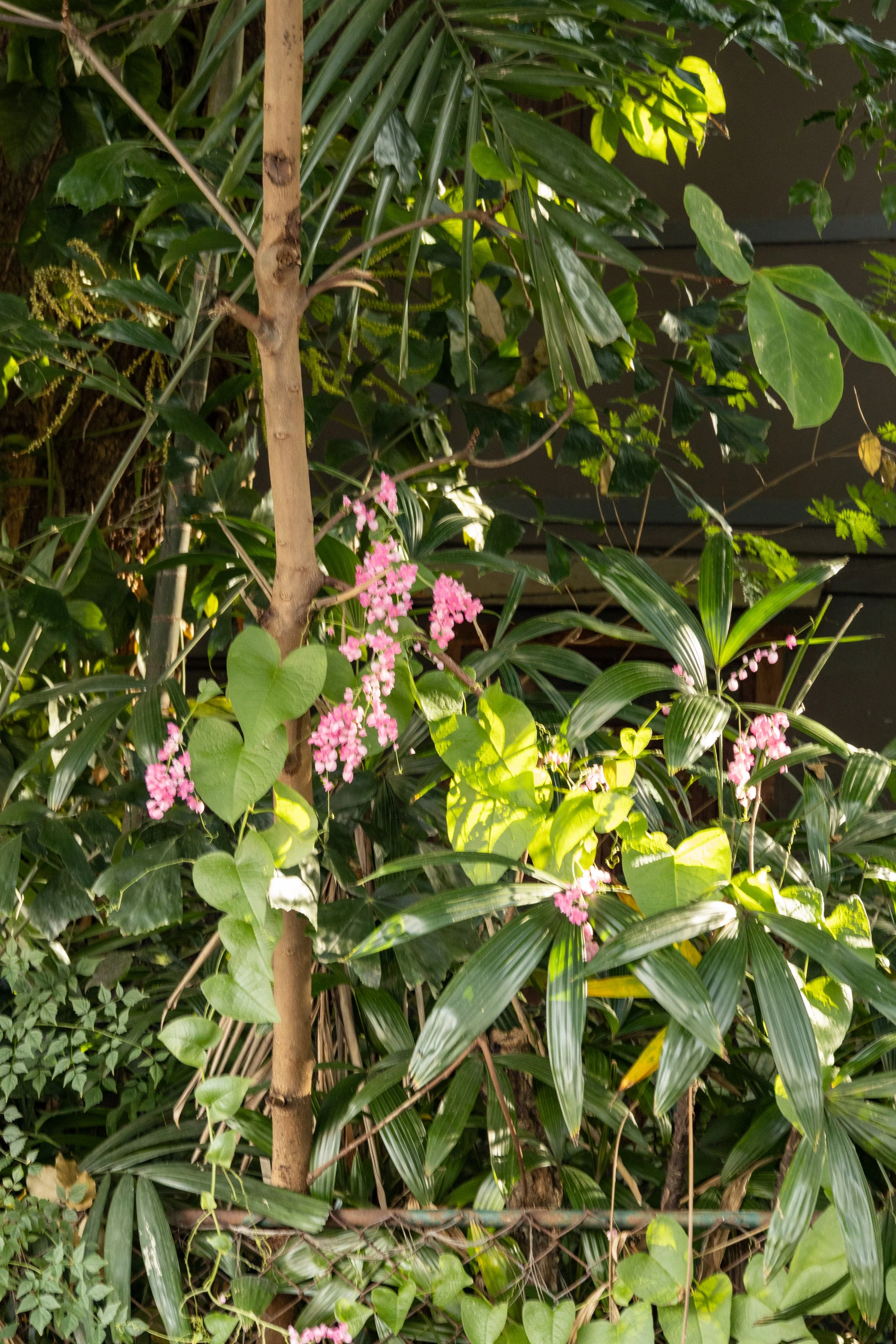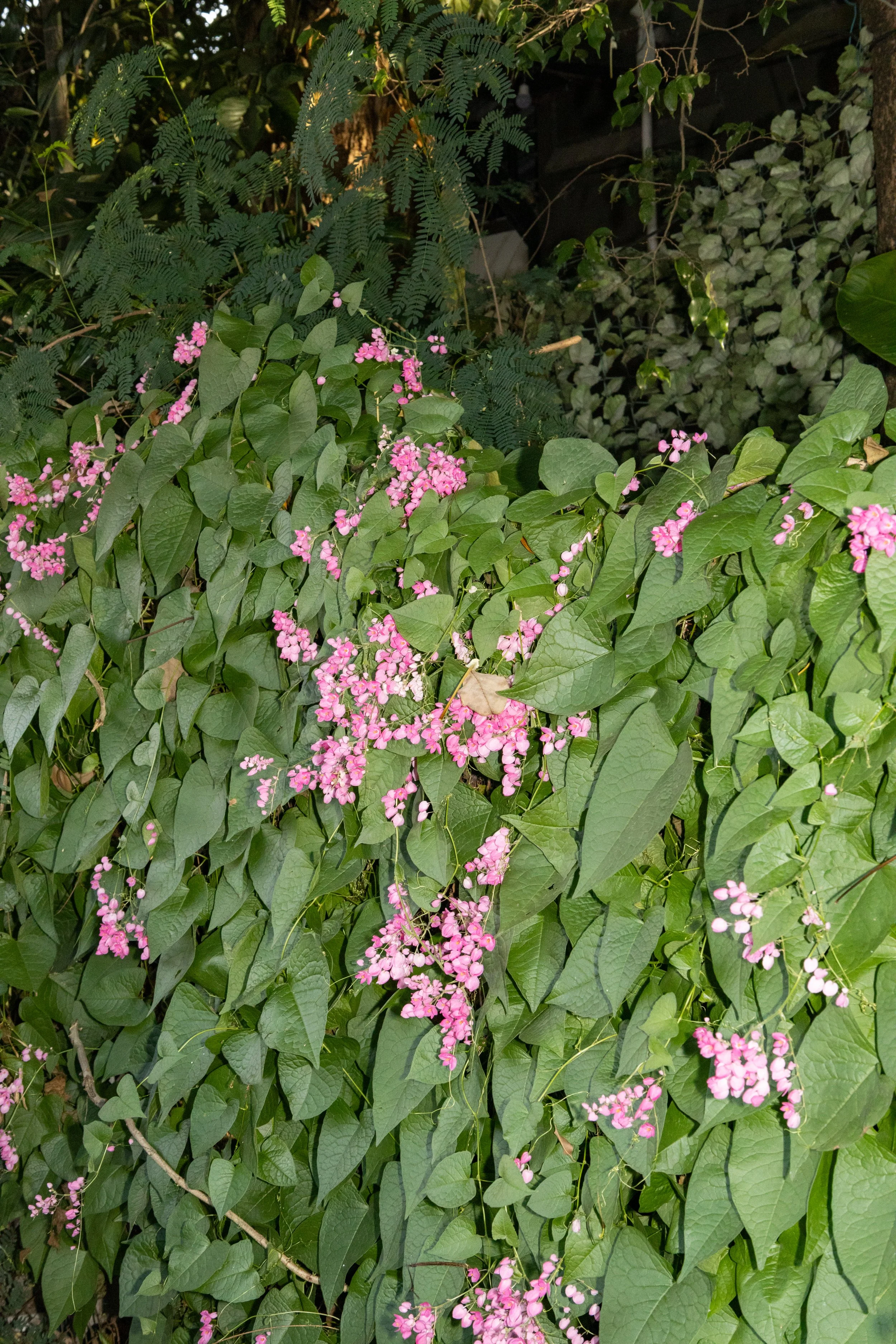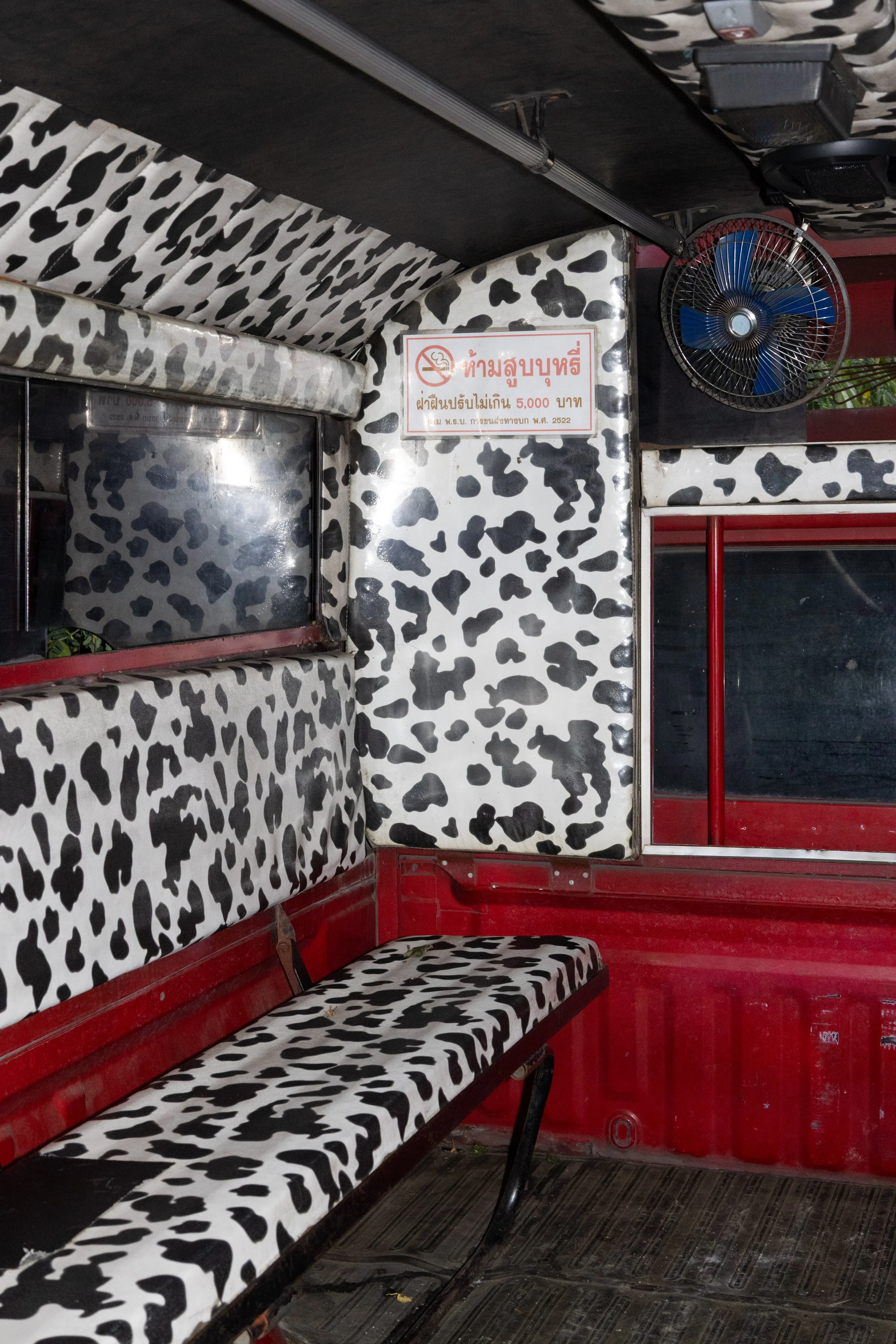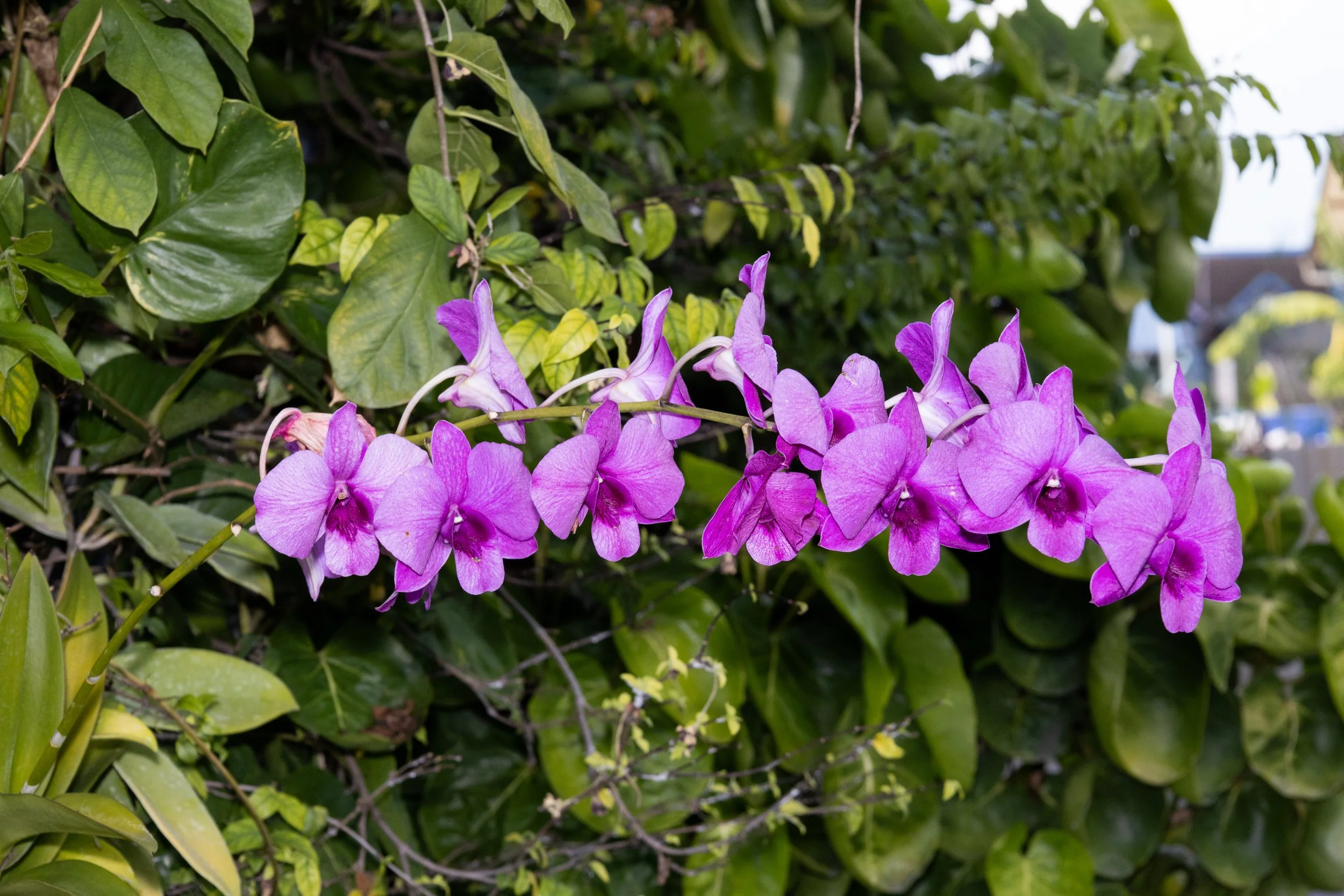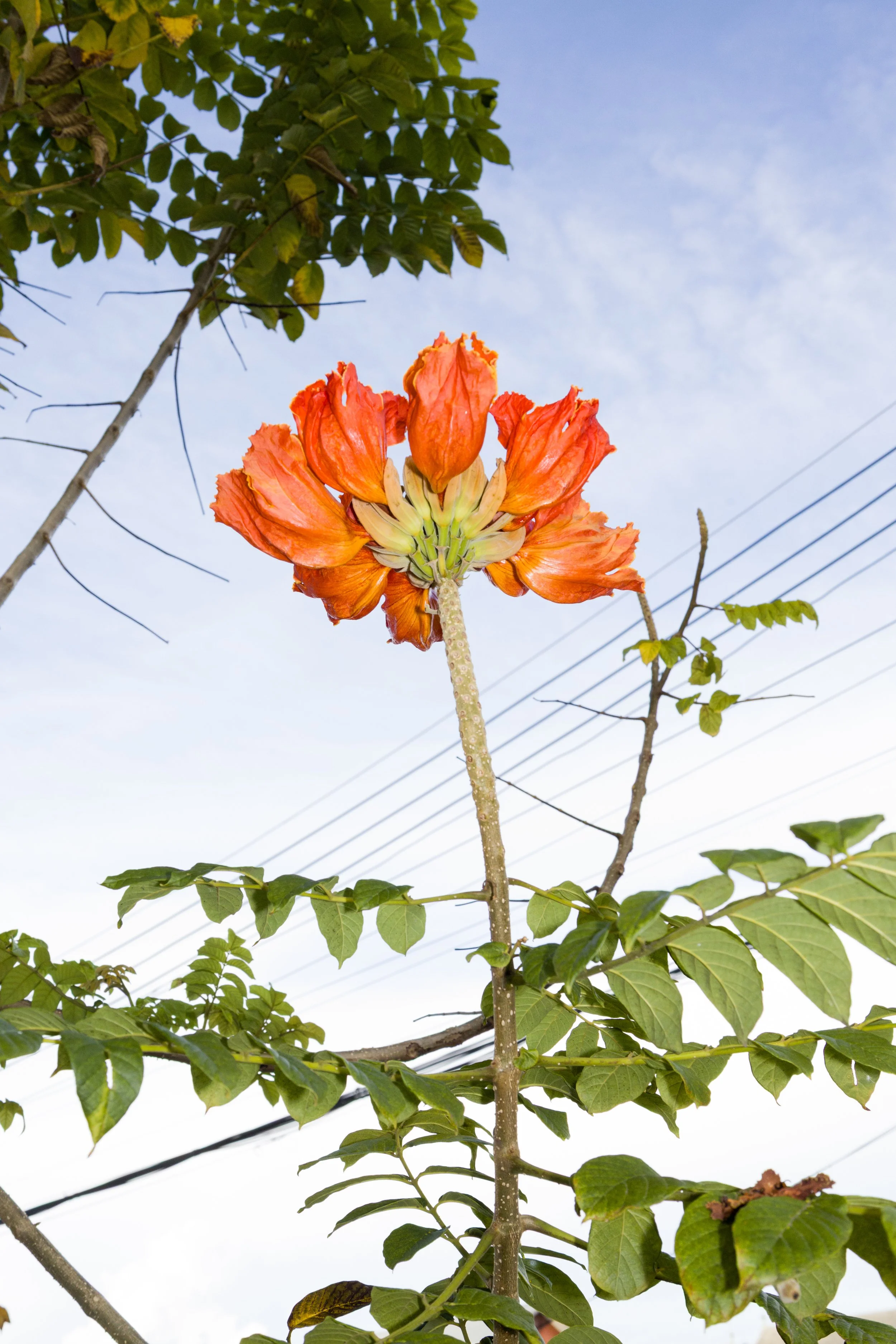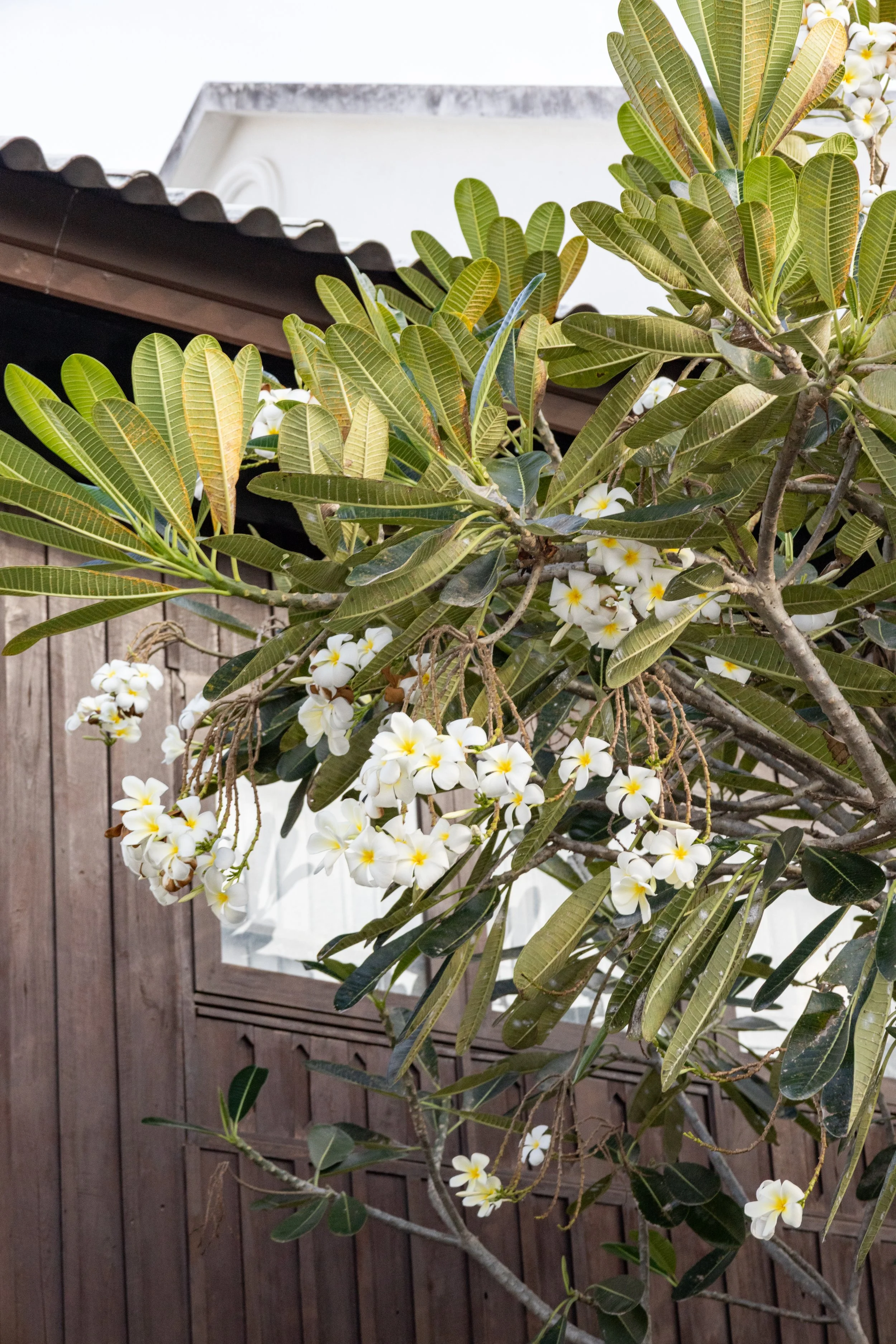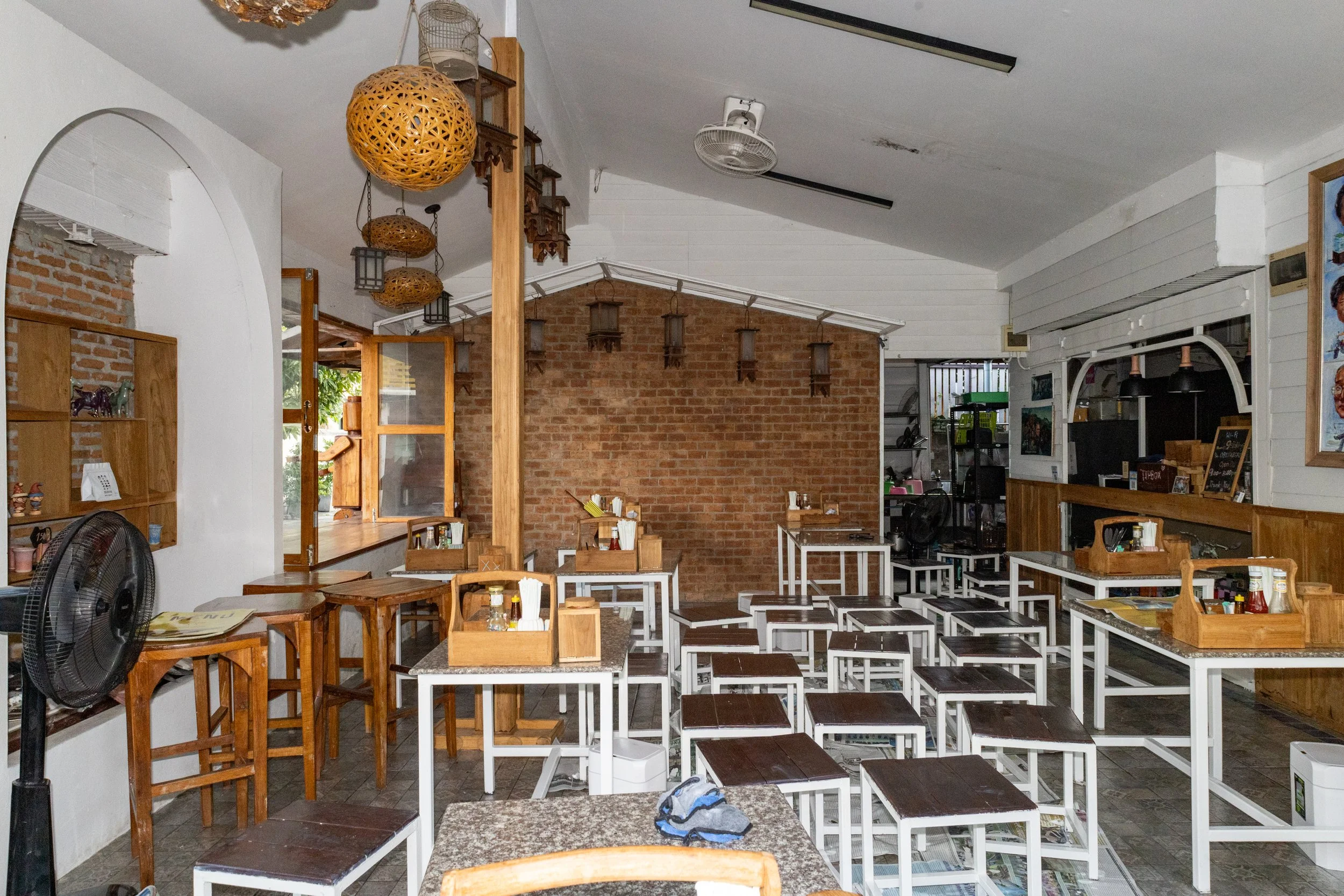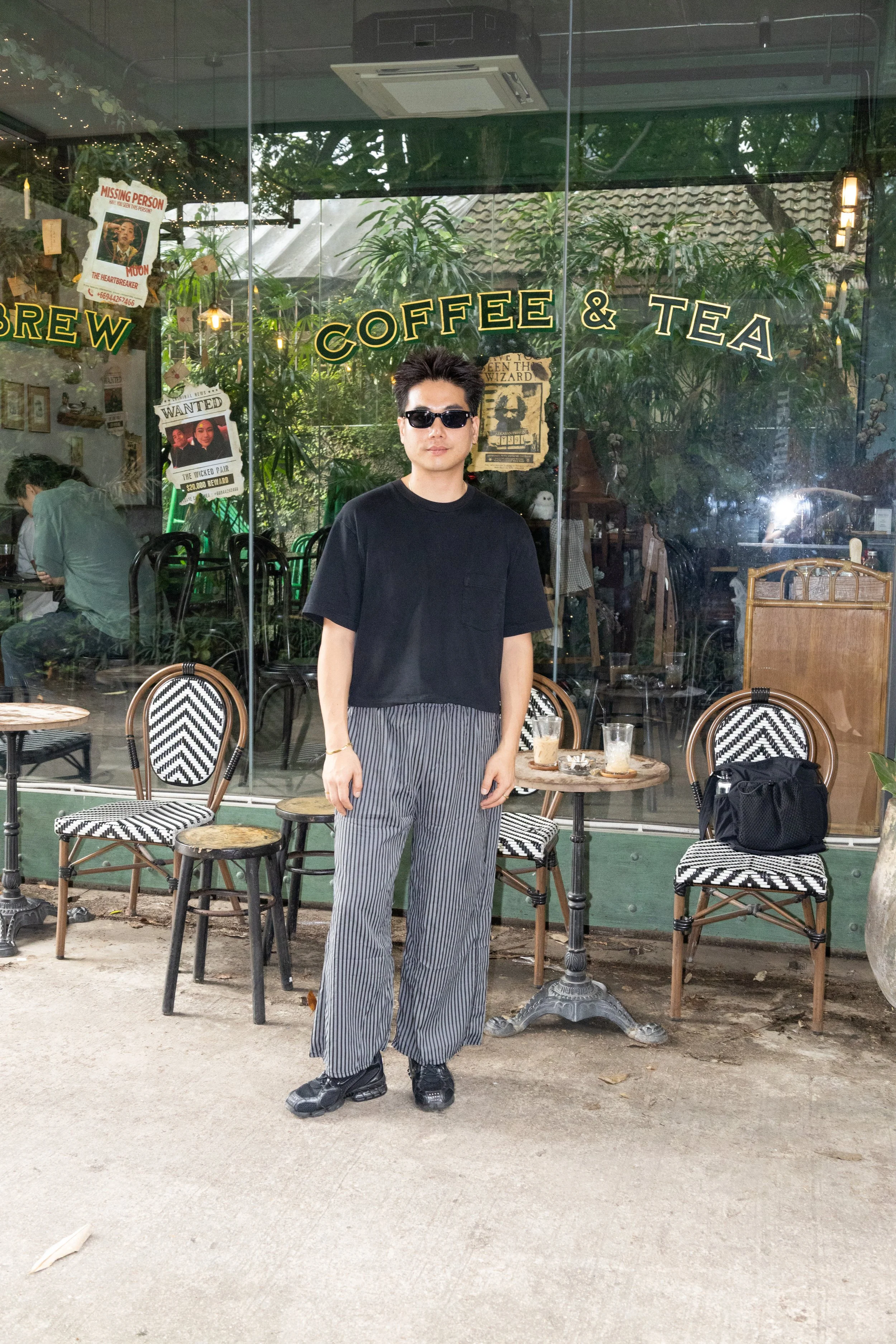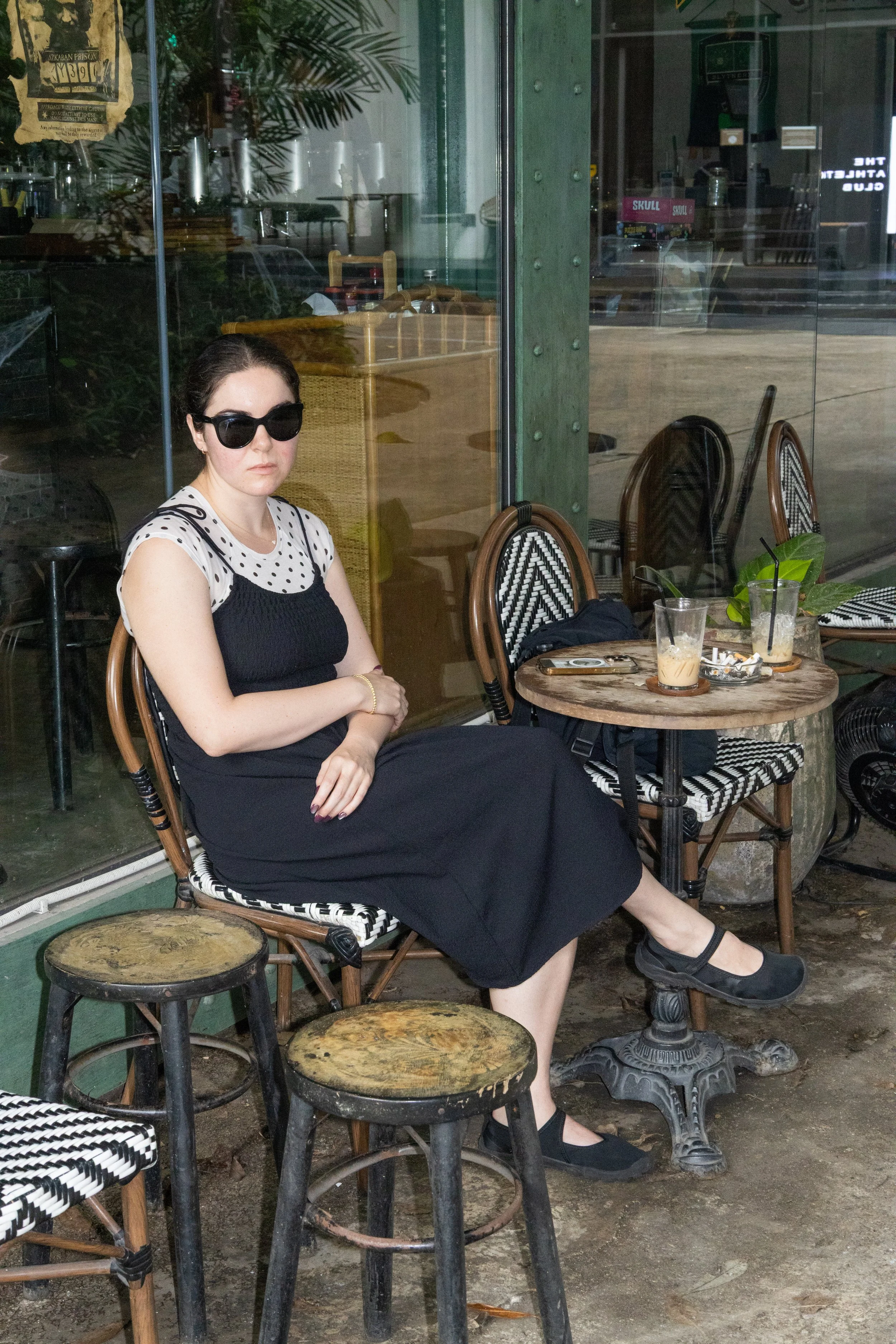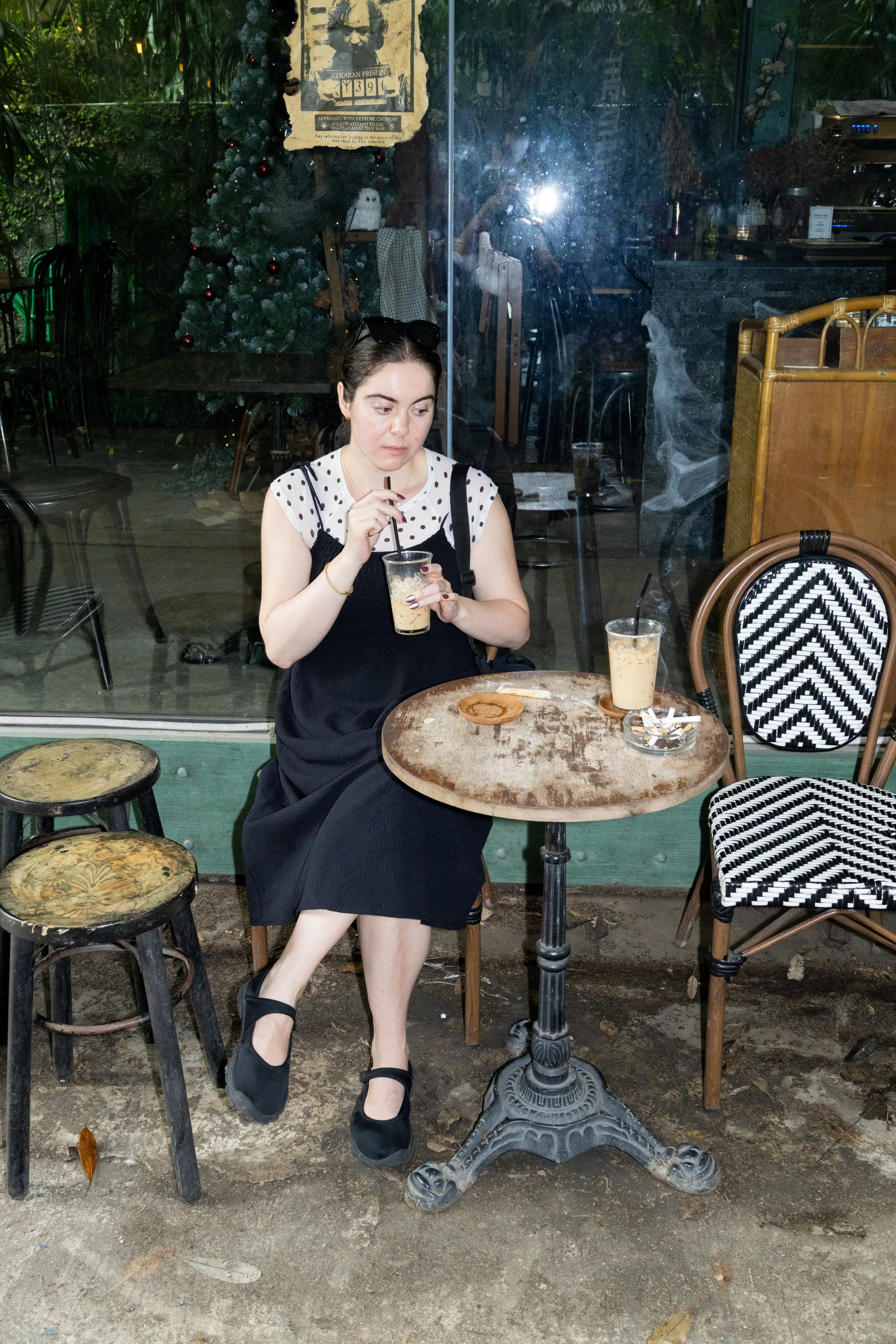
Notes on Chiang Mai and Bangkok, Thailand - Photo Essay written and photographed by James Huang - November 2026
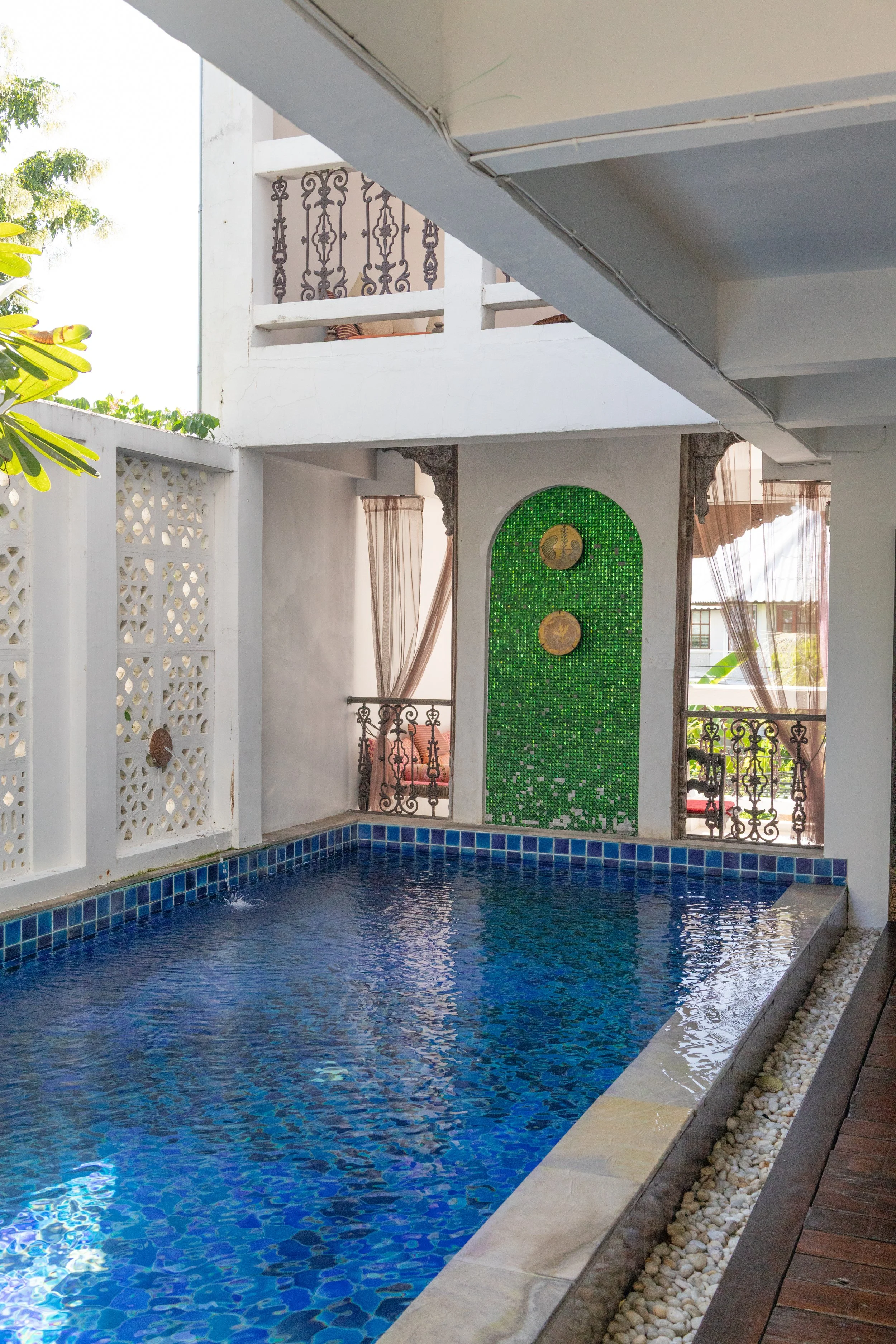
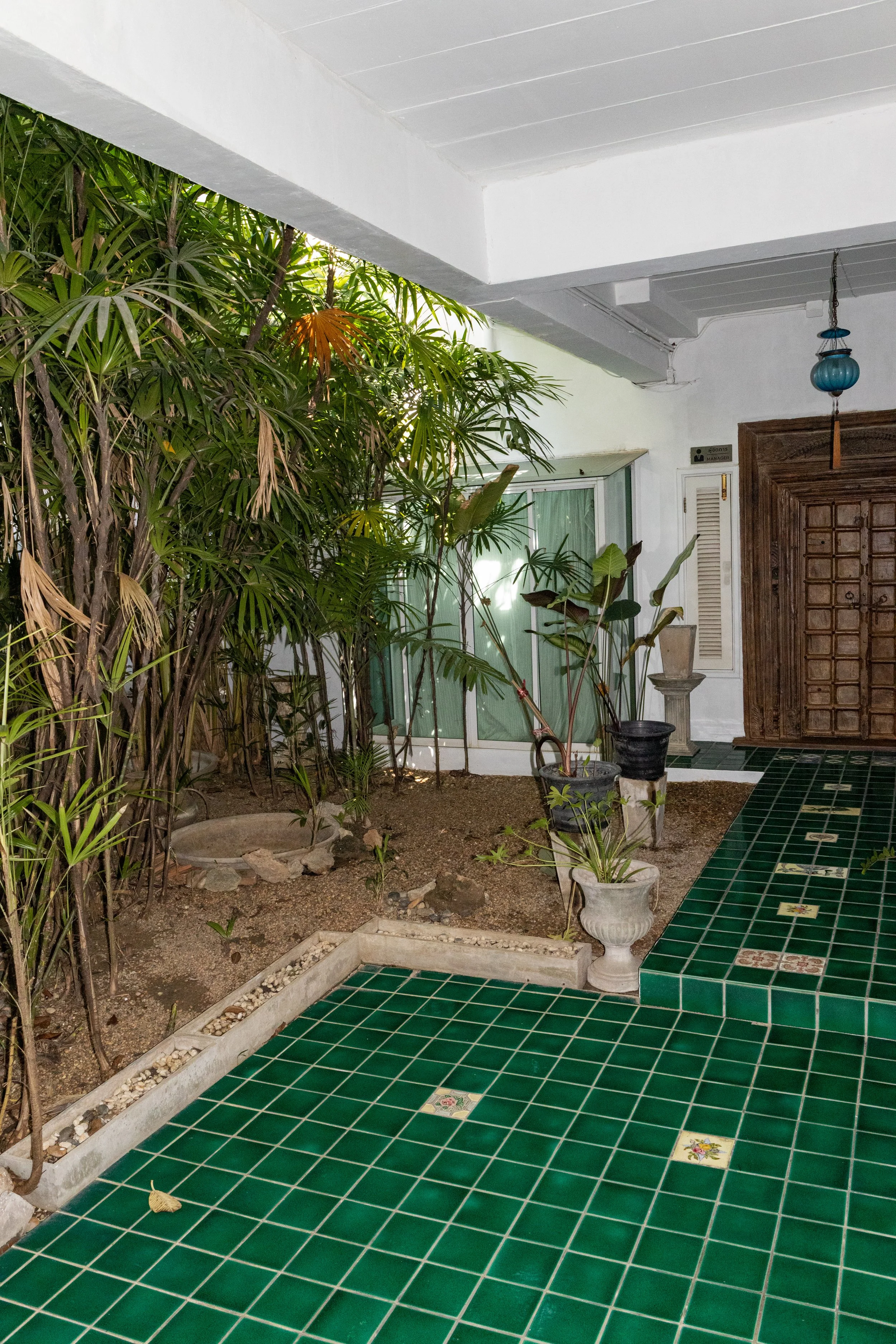
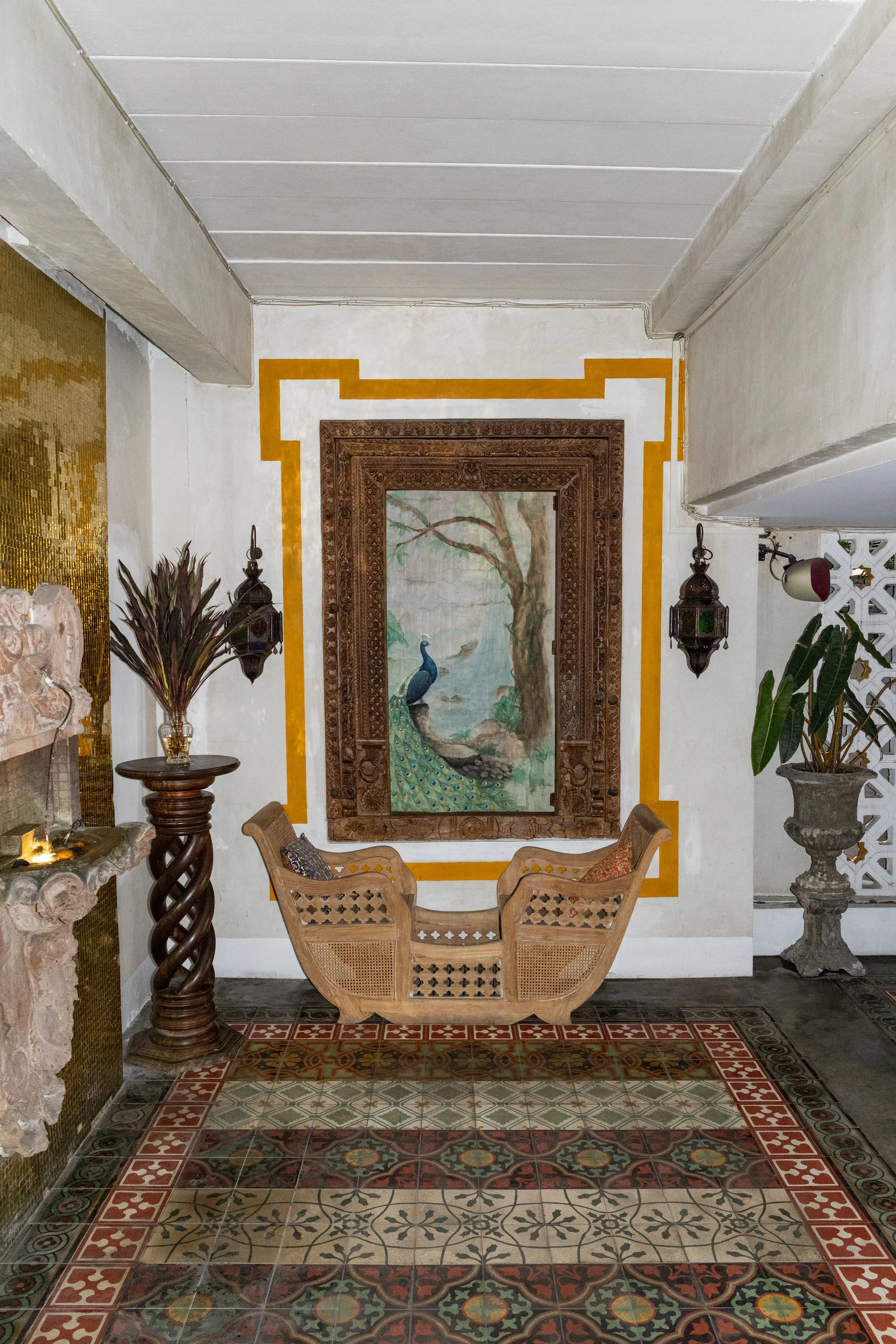
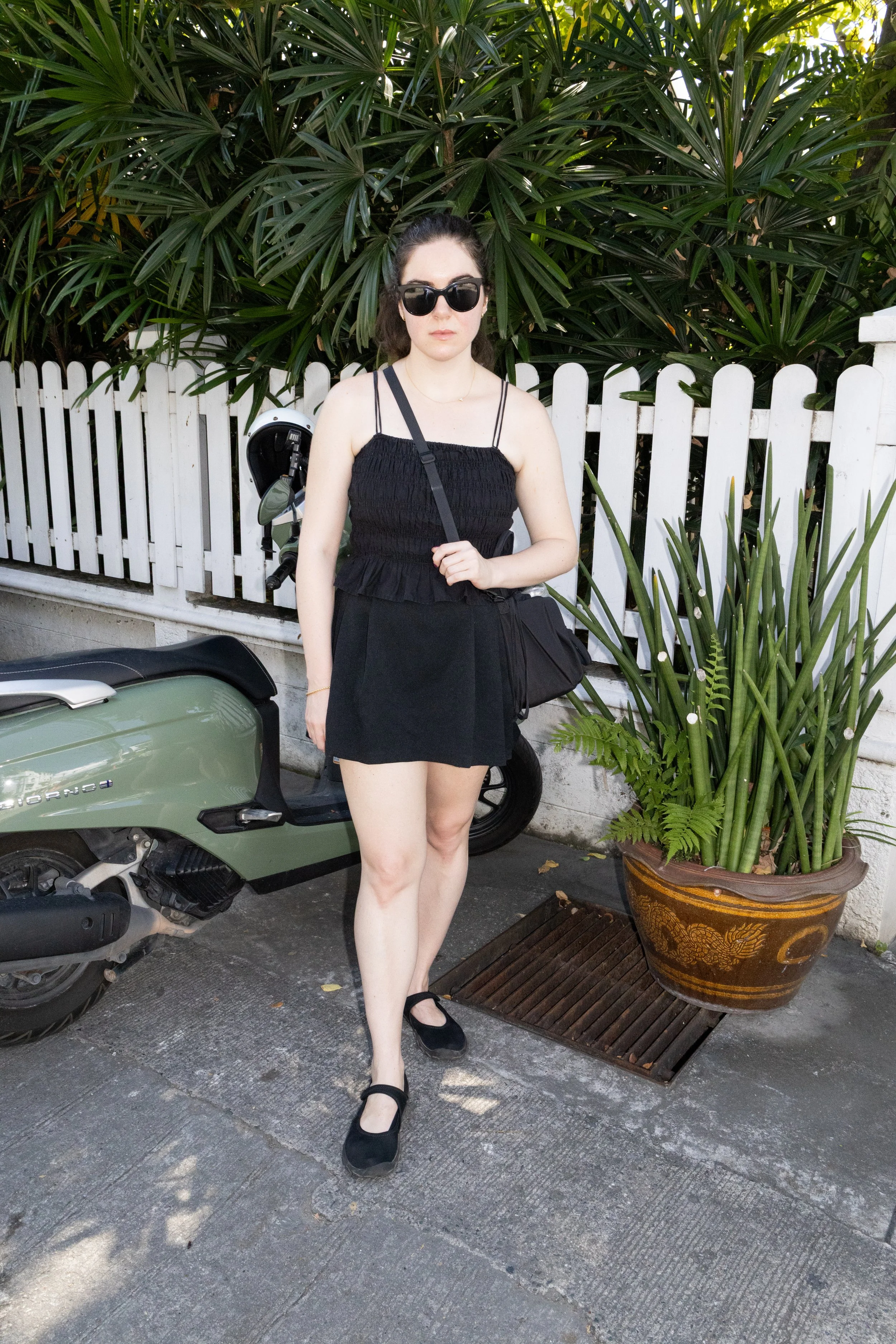
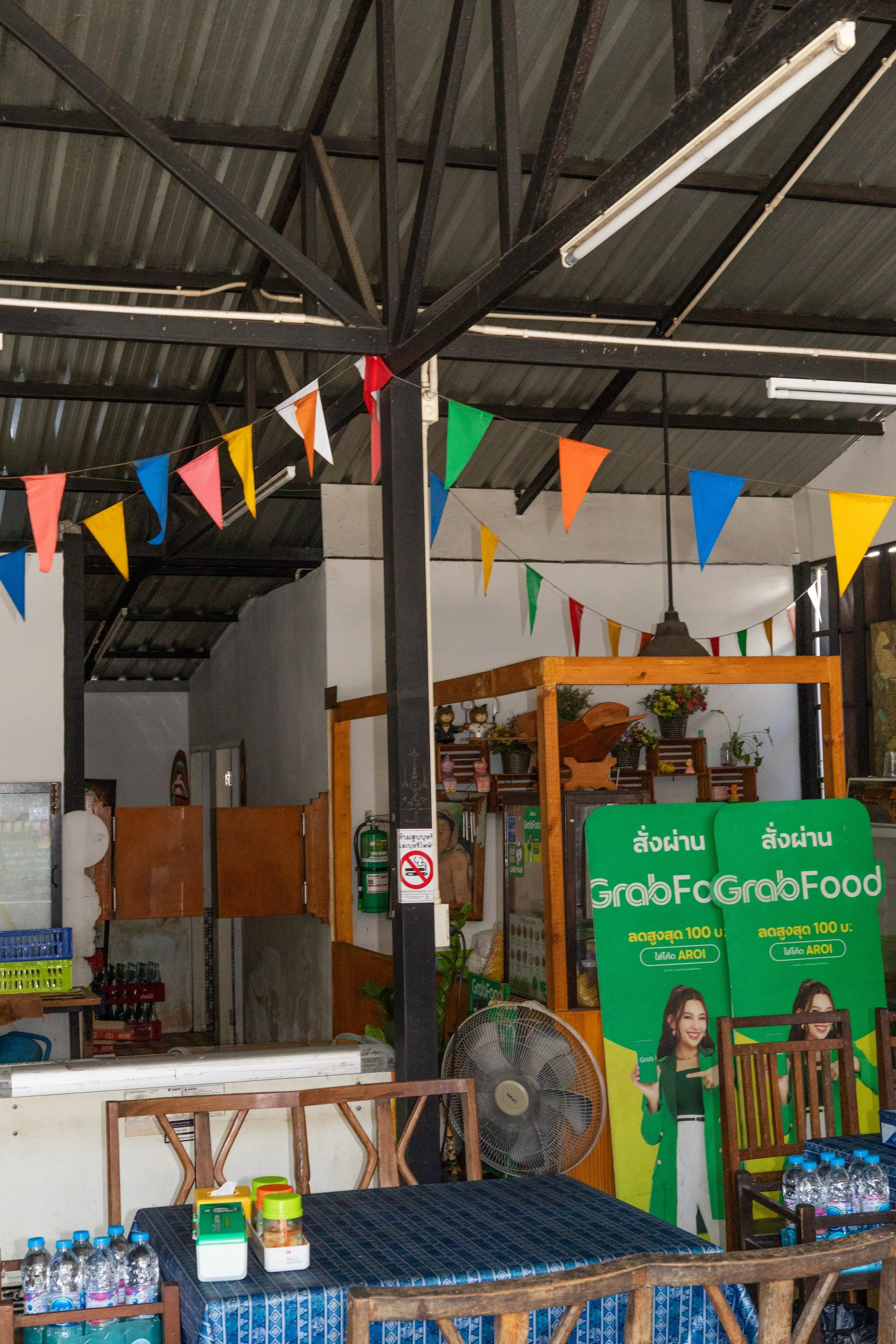
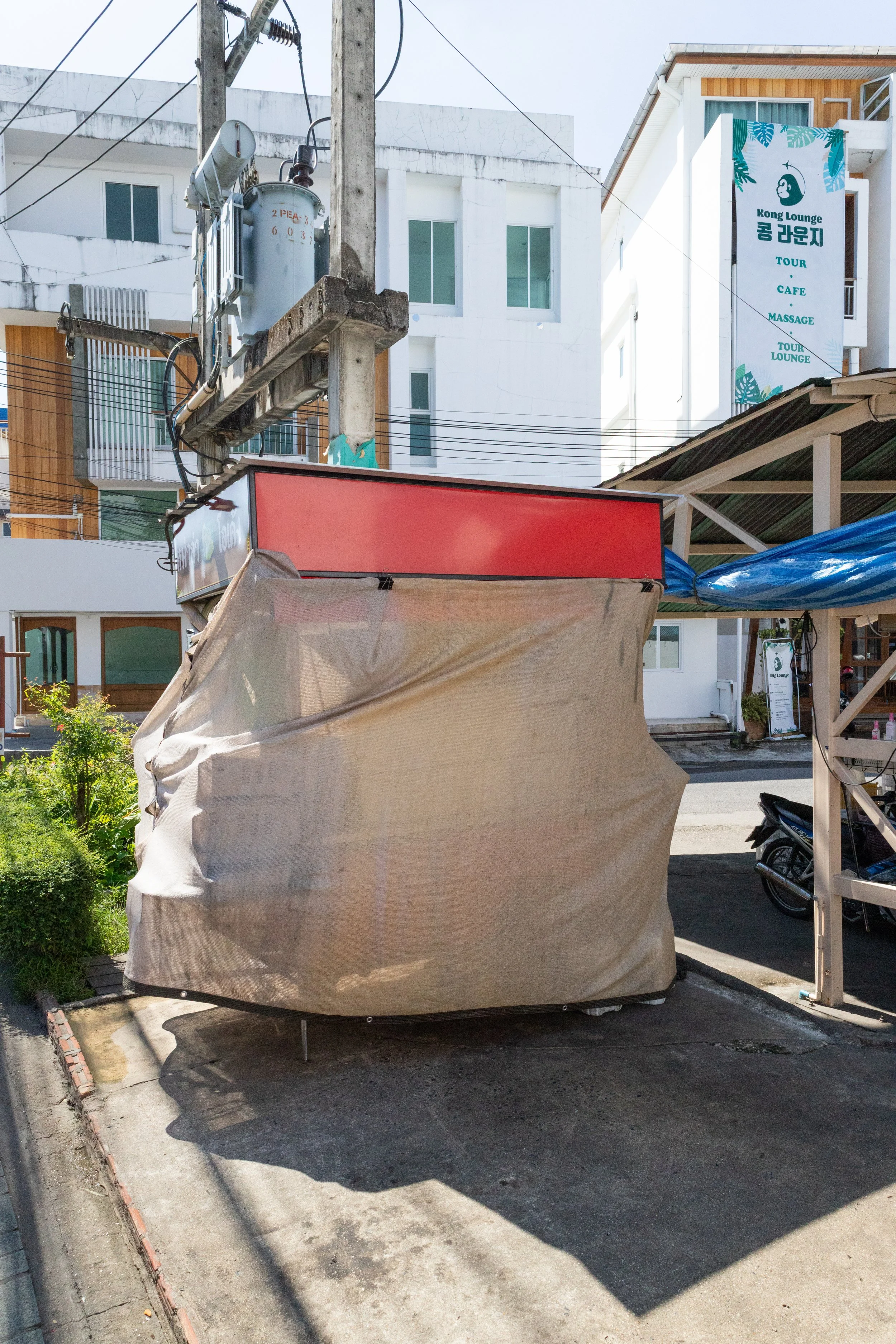
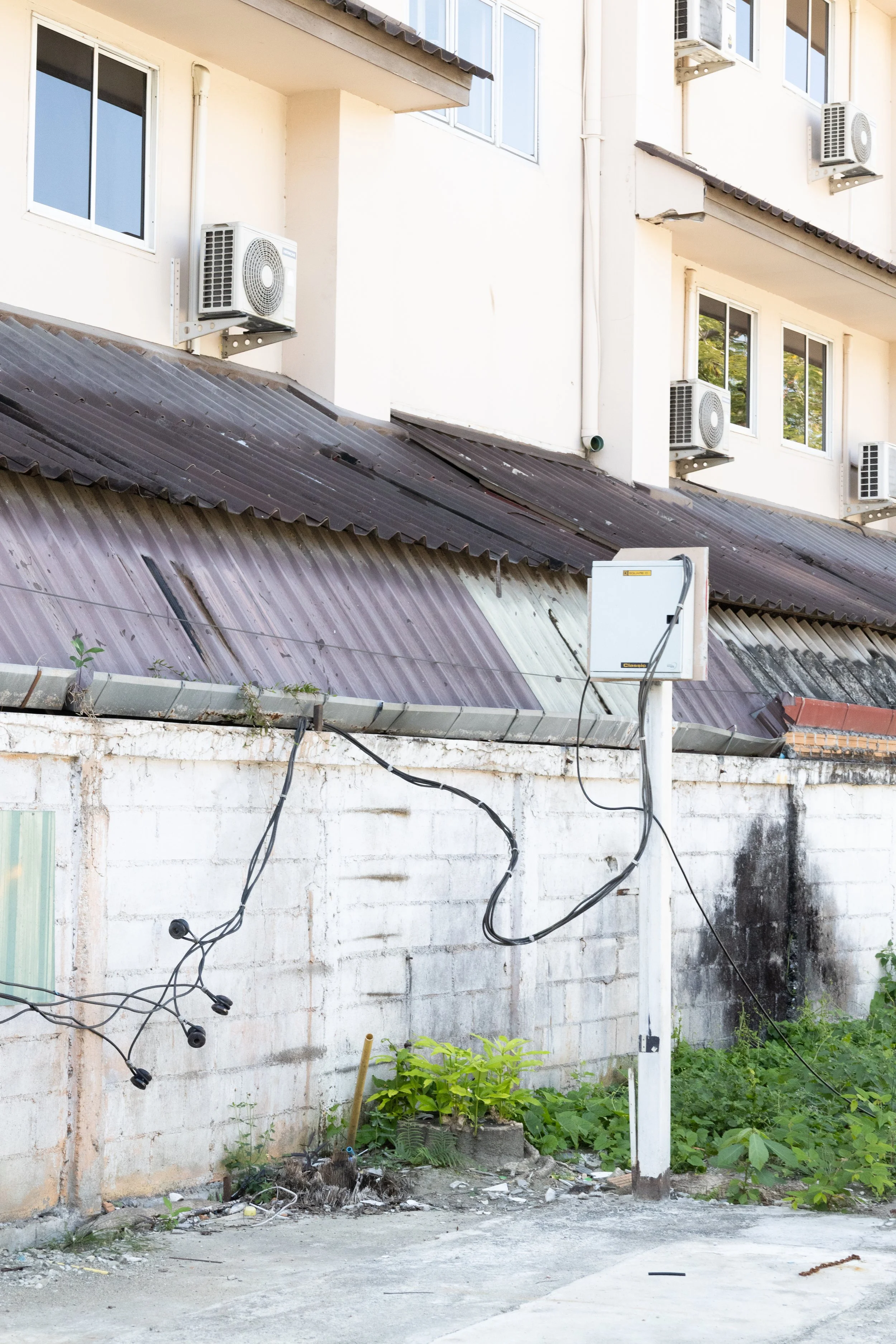
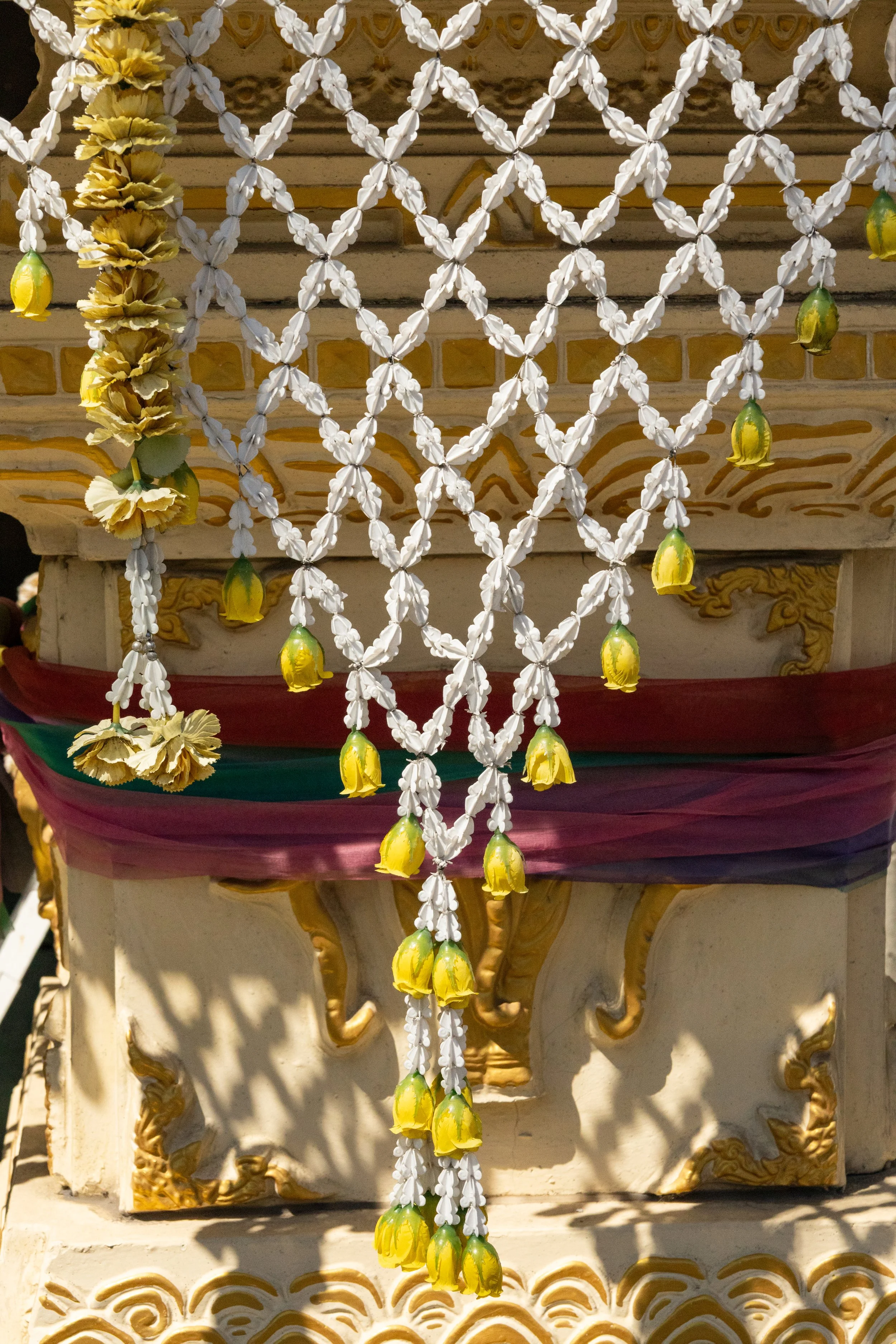
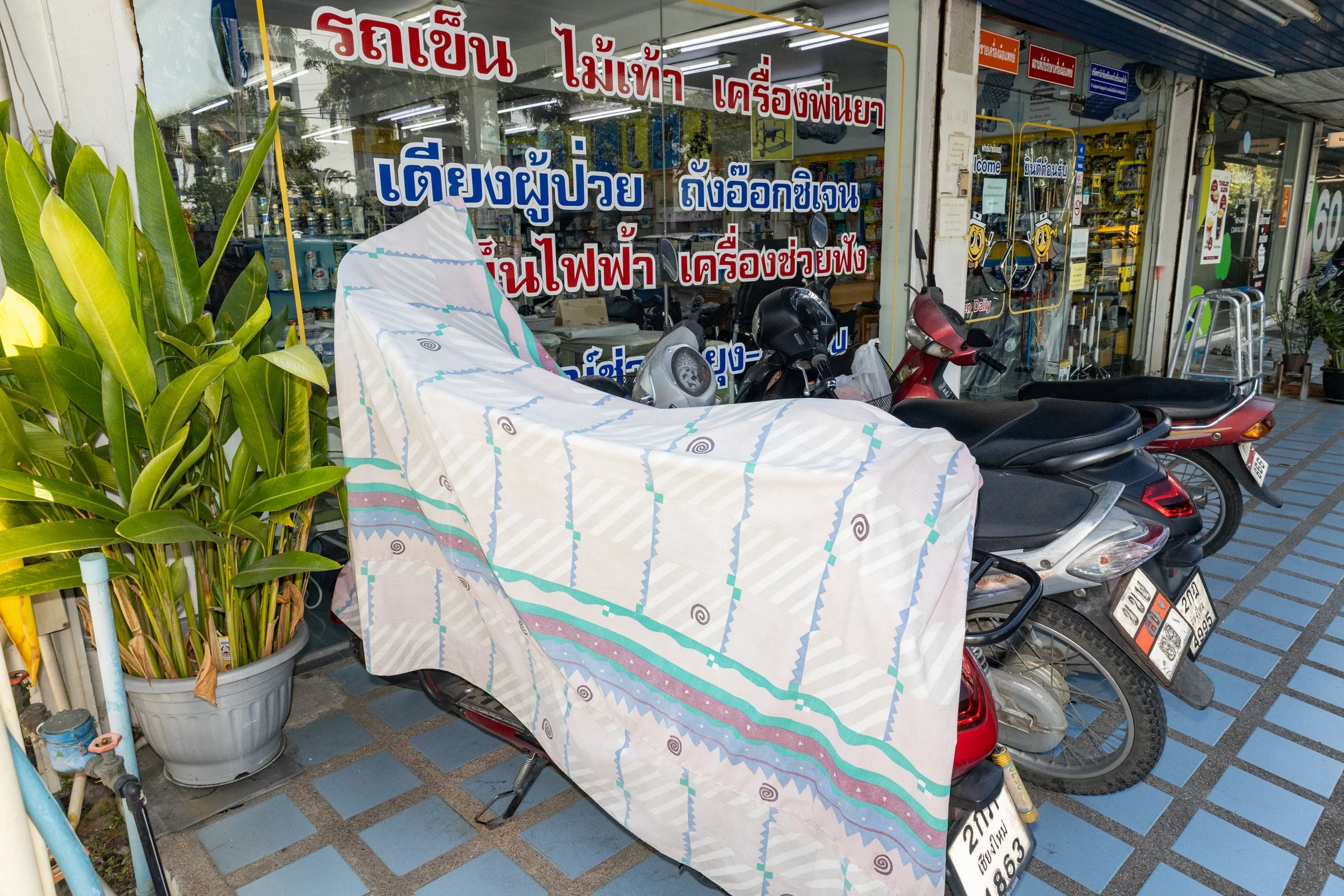
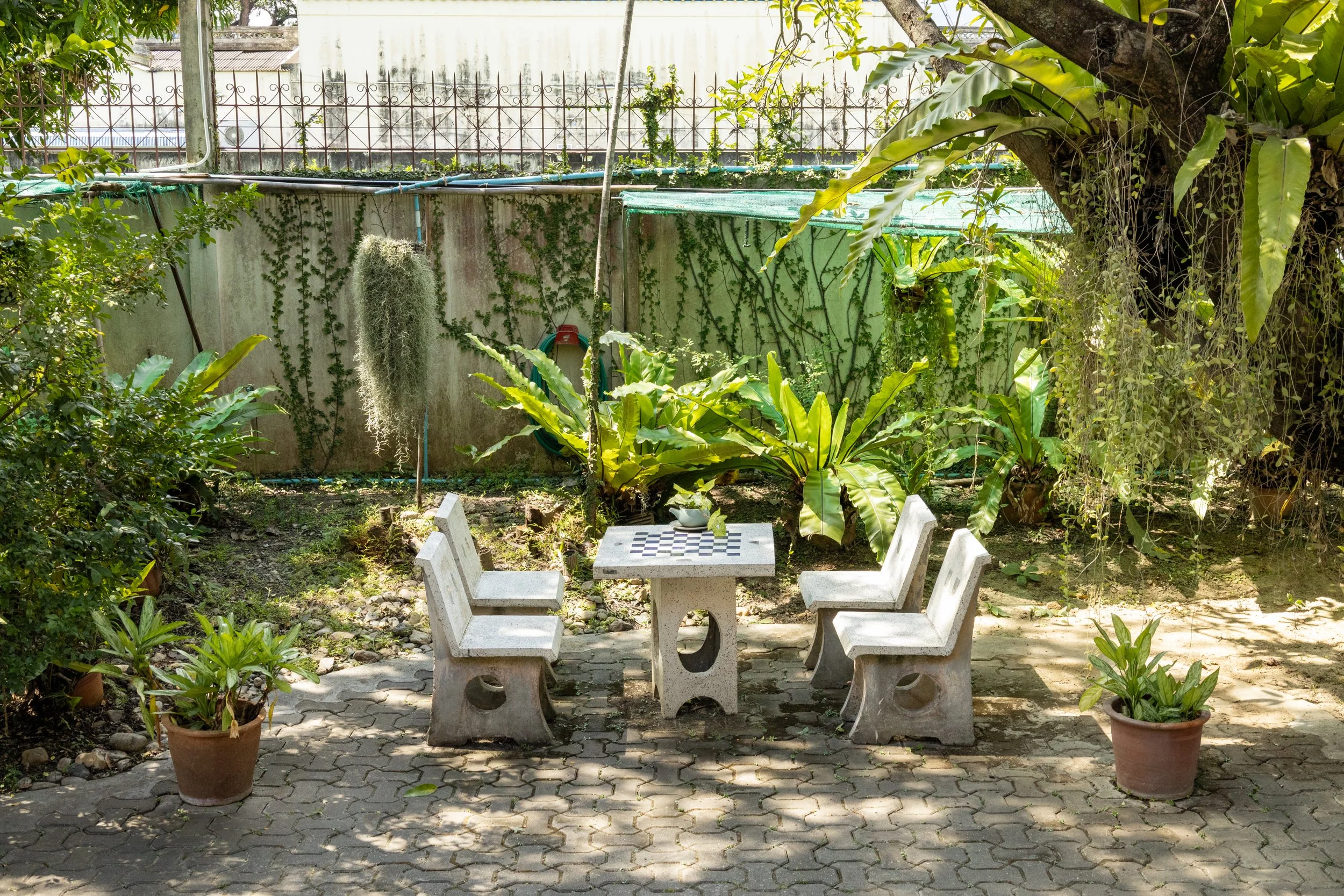
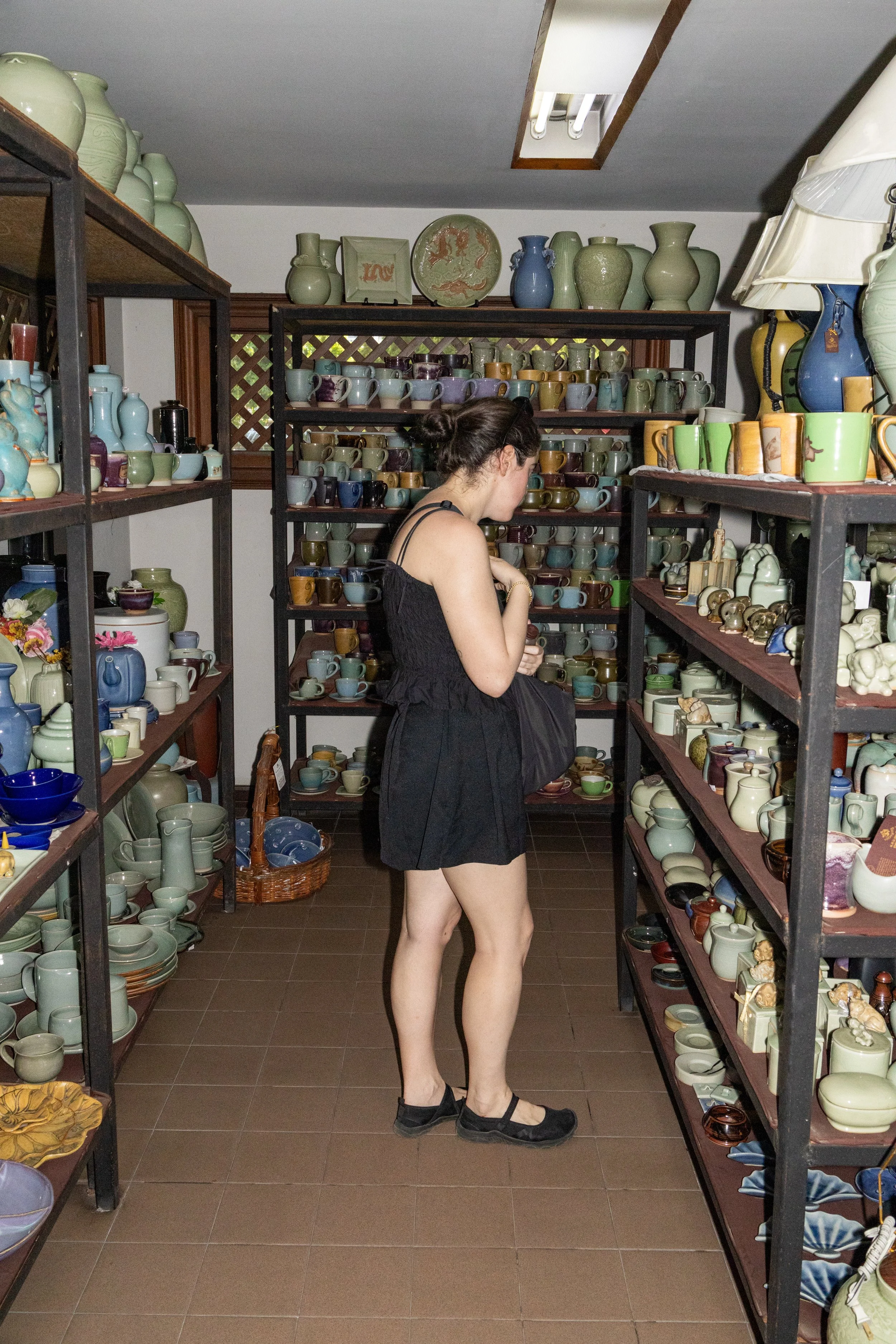
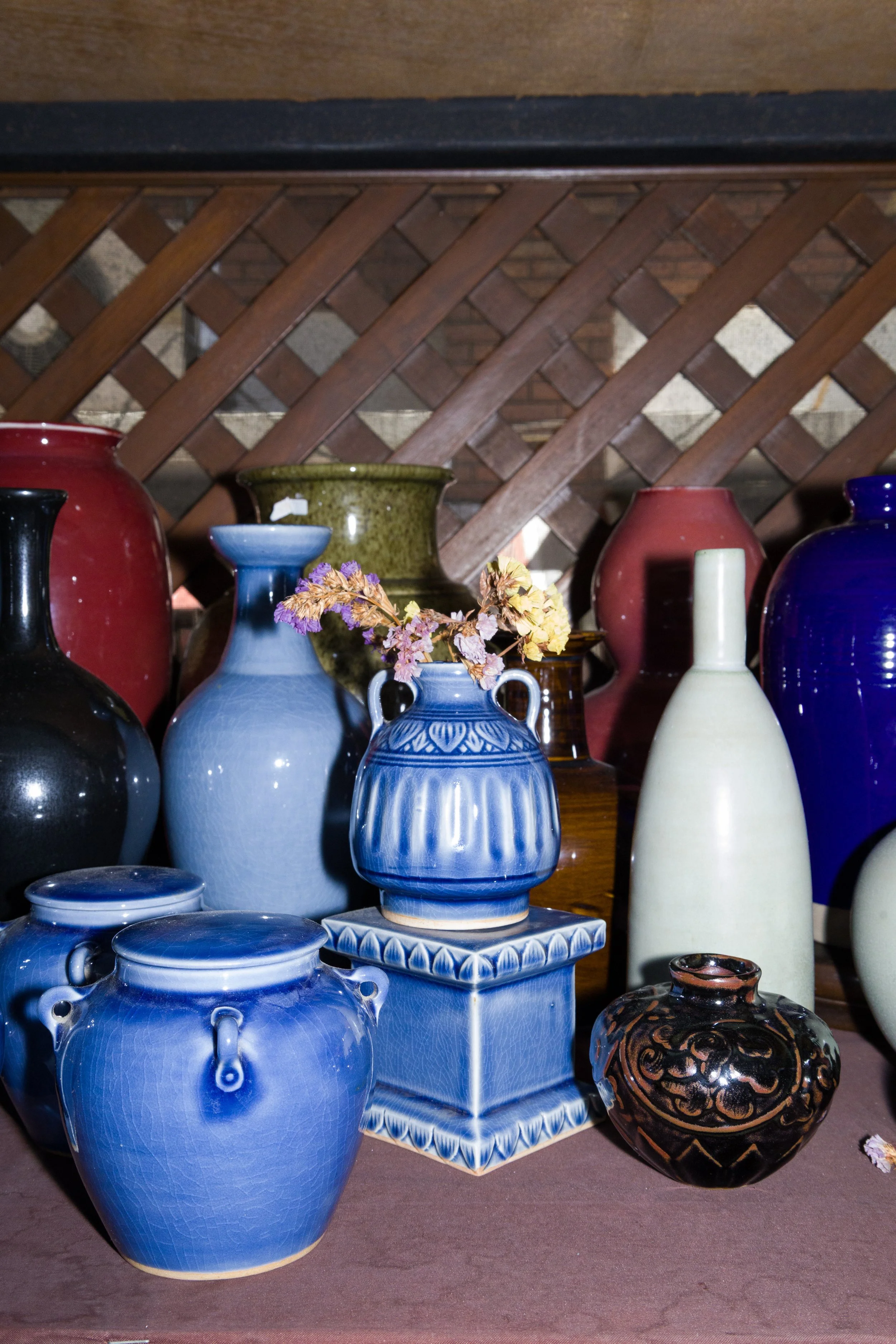
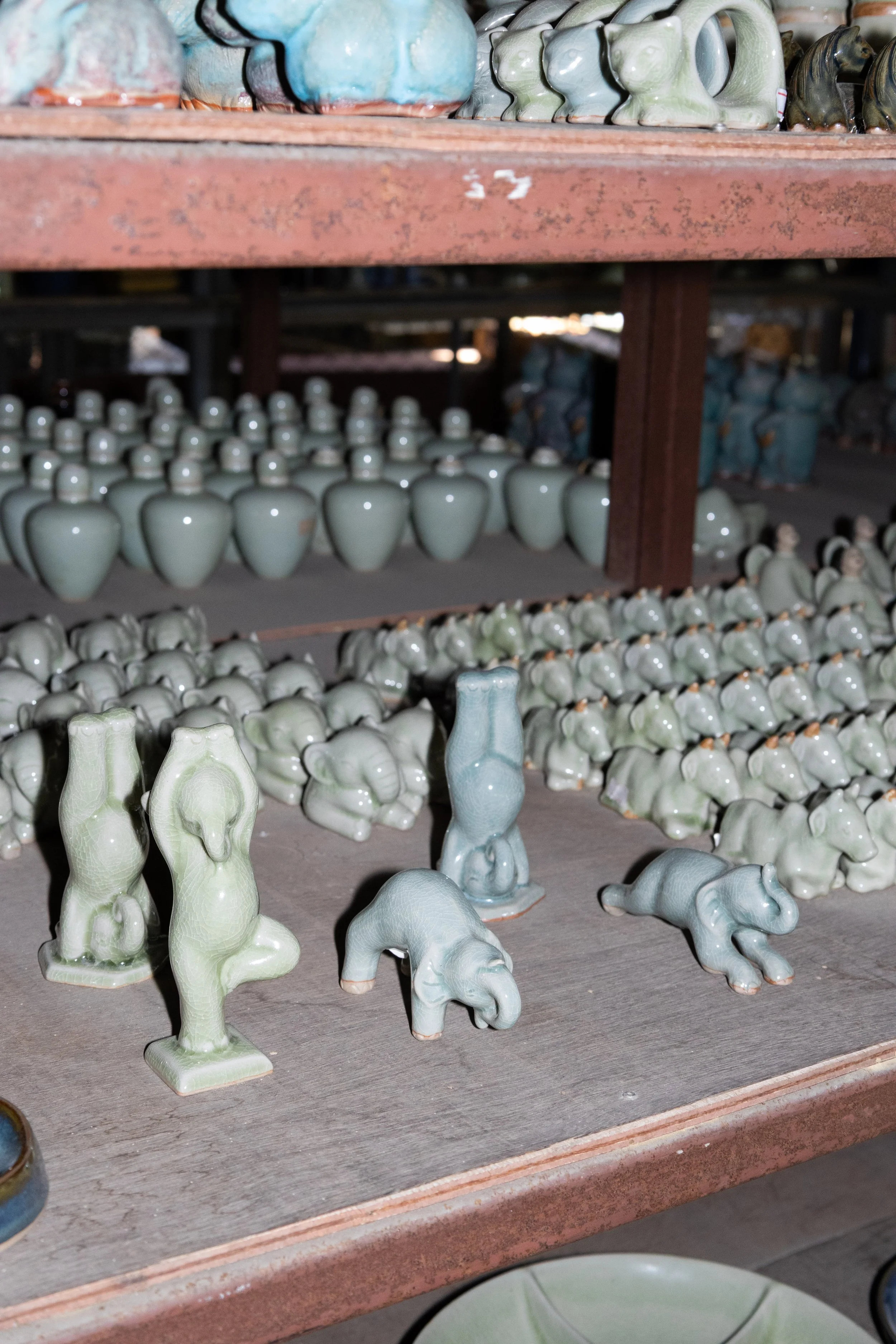
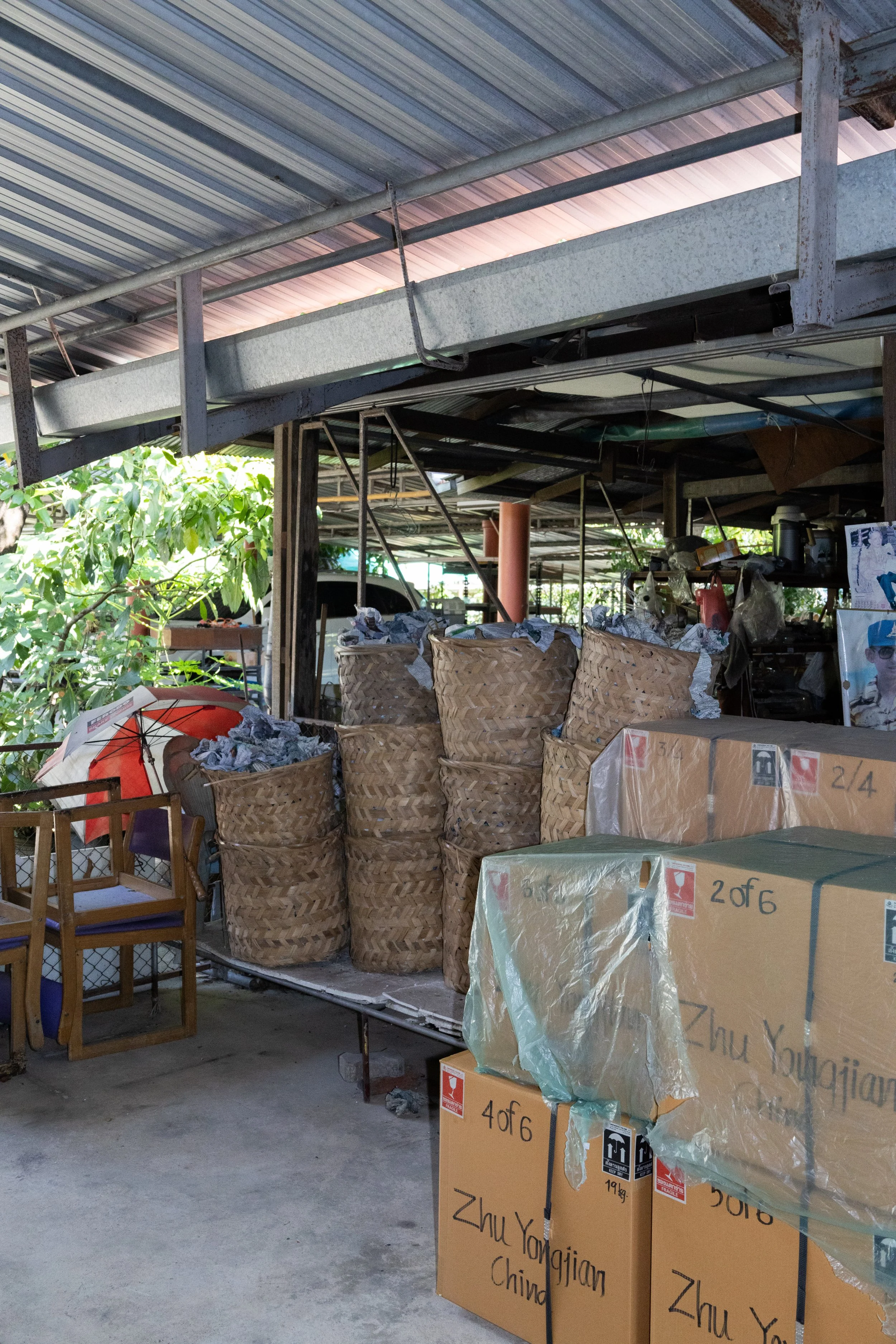
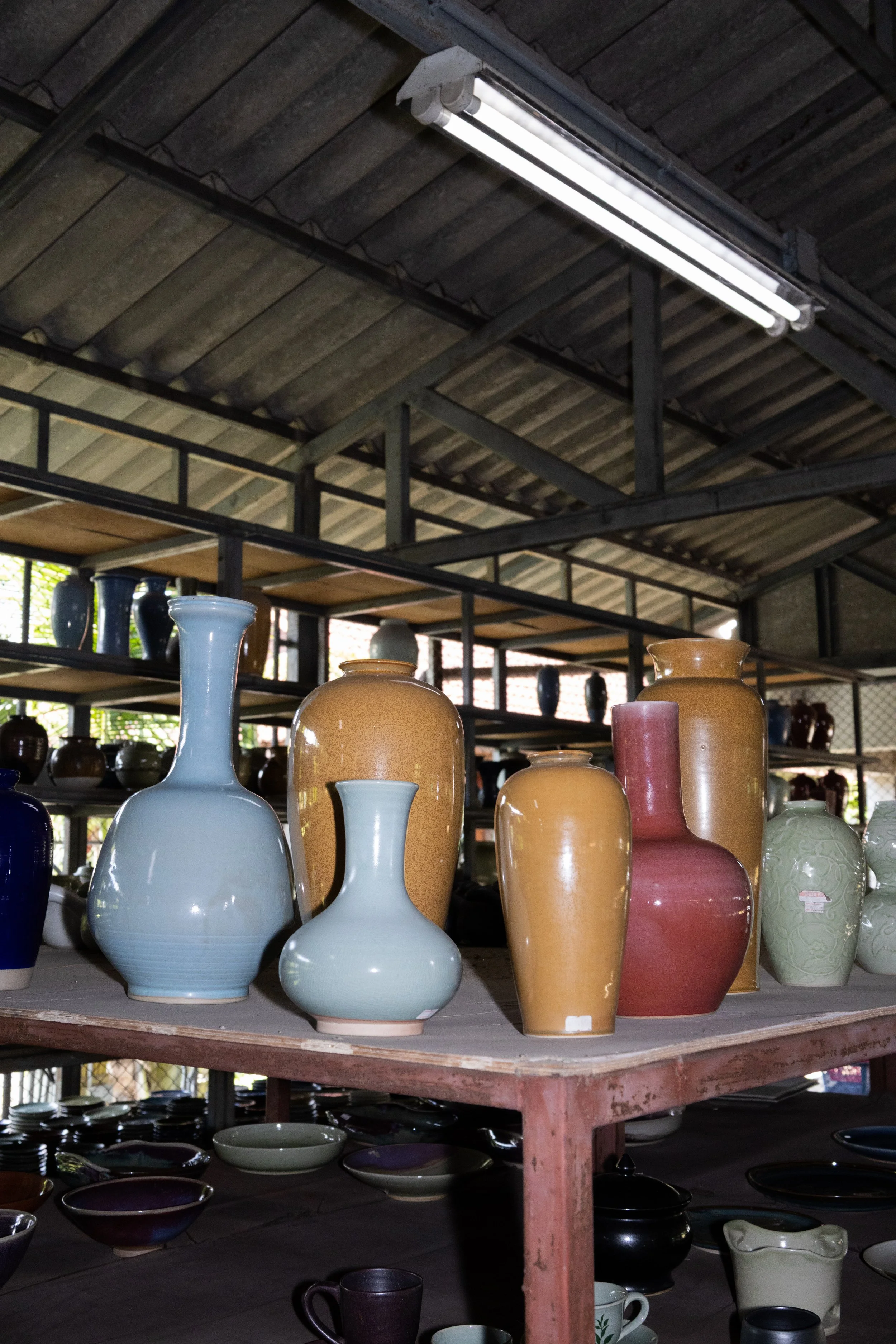
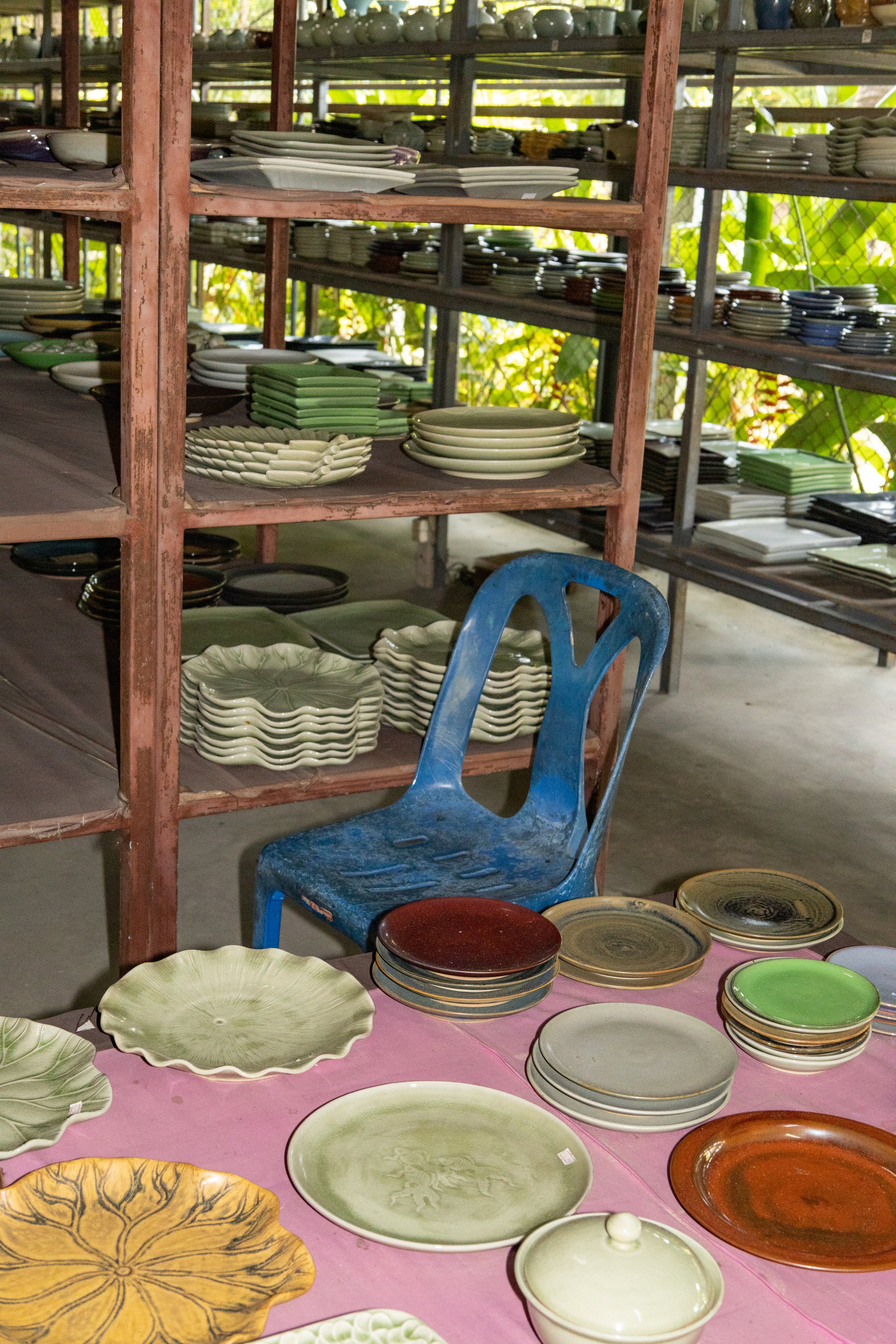
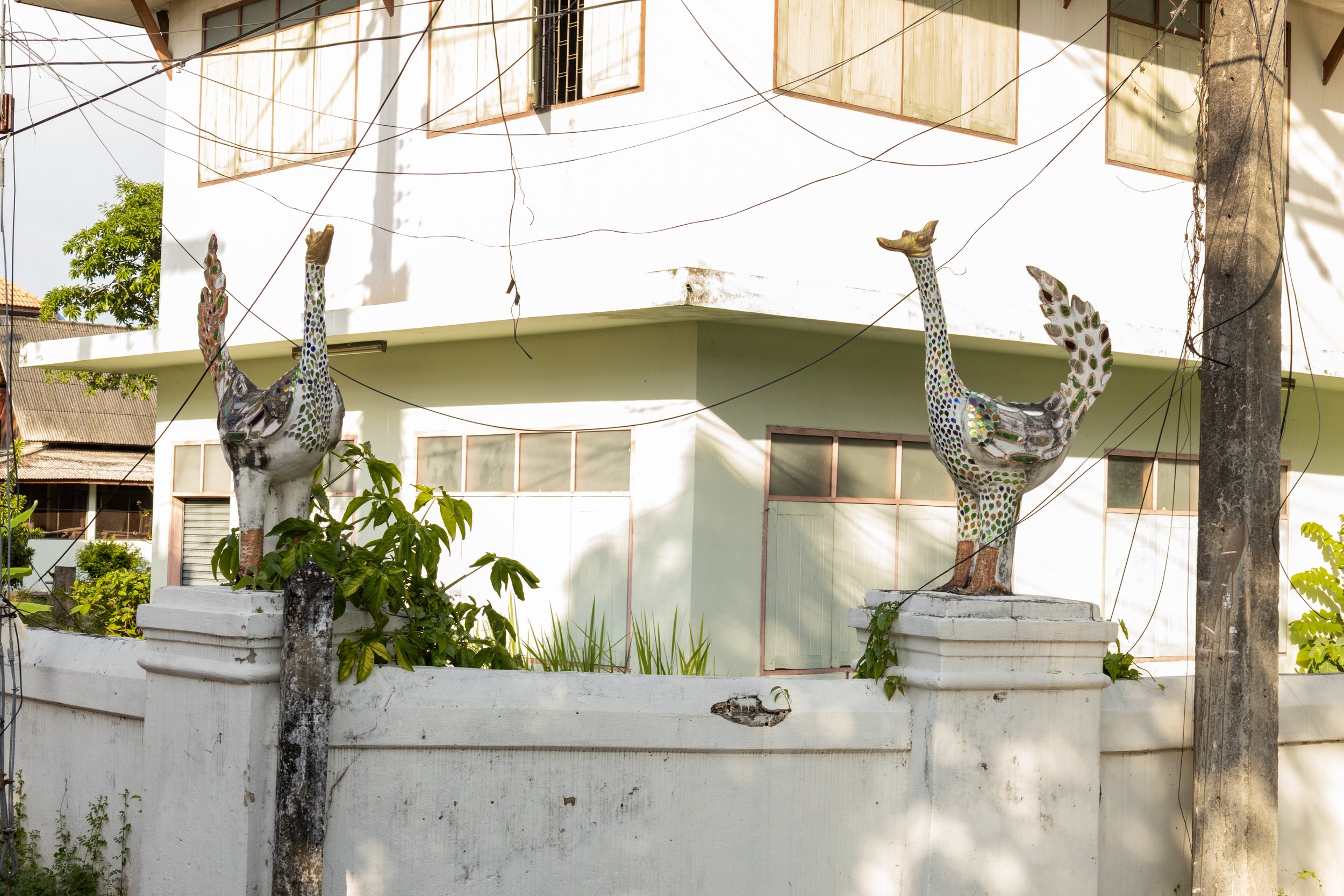
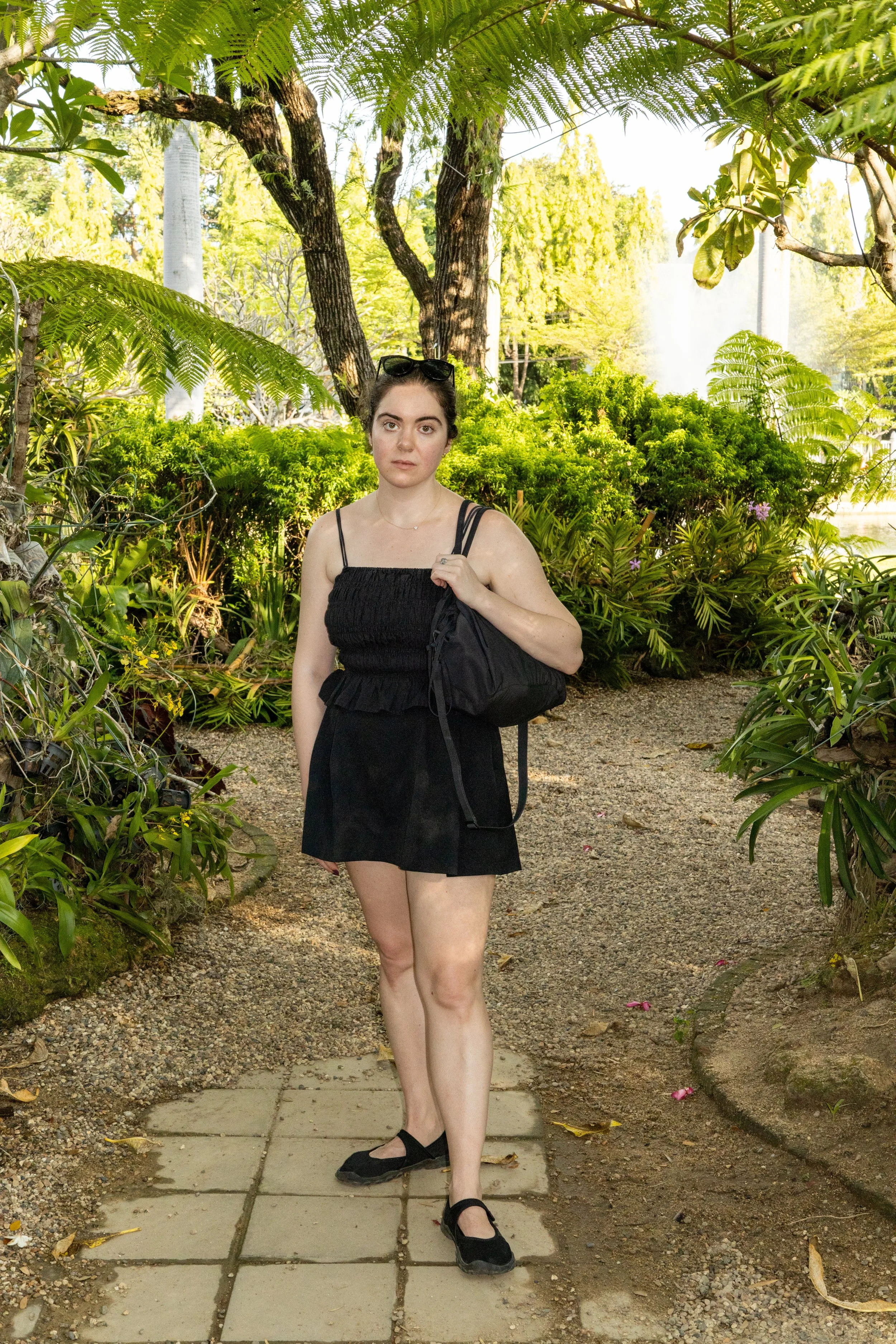
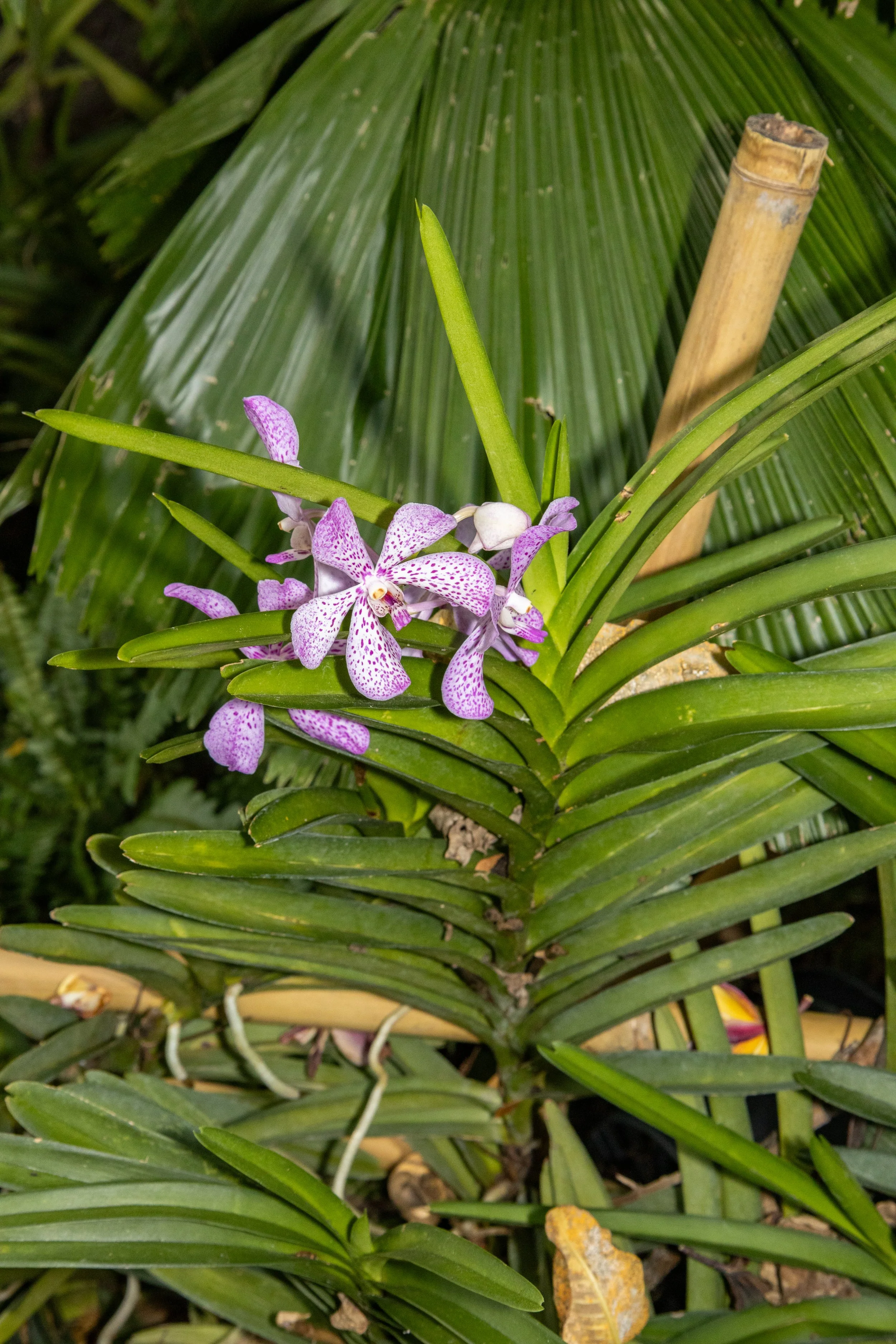
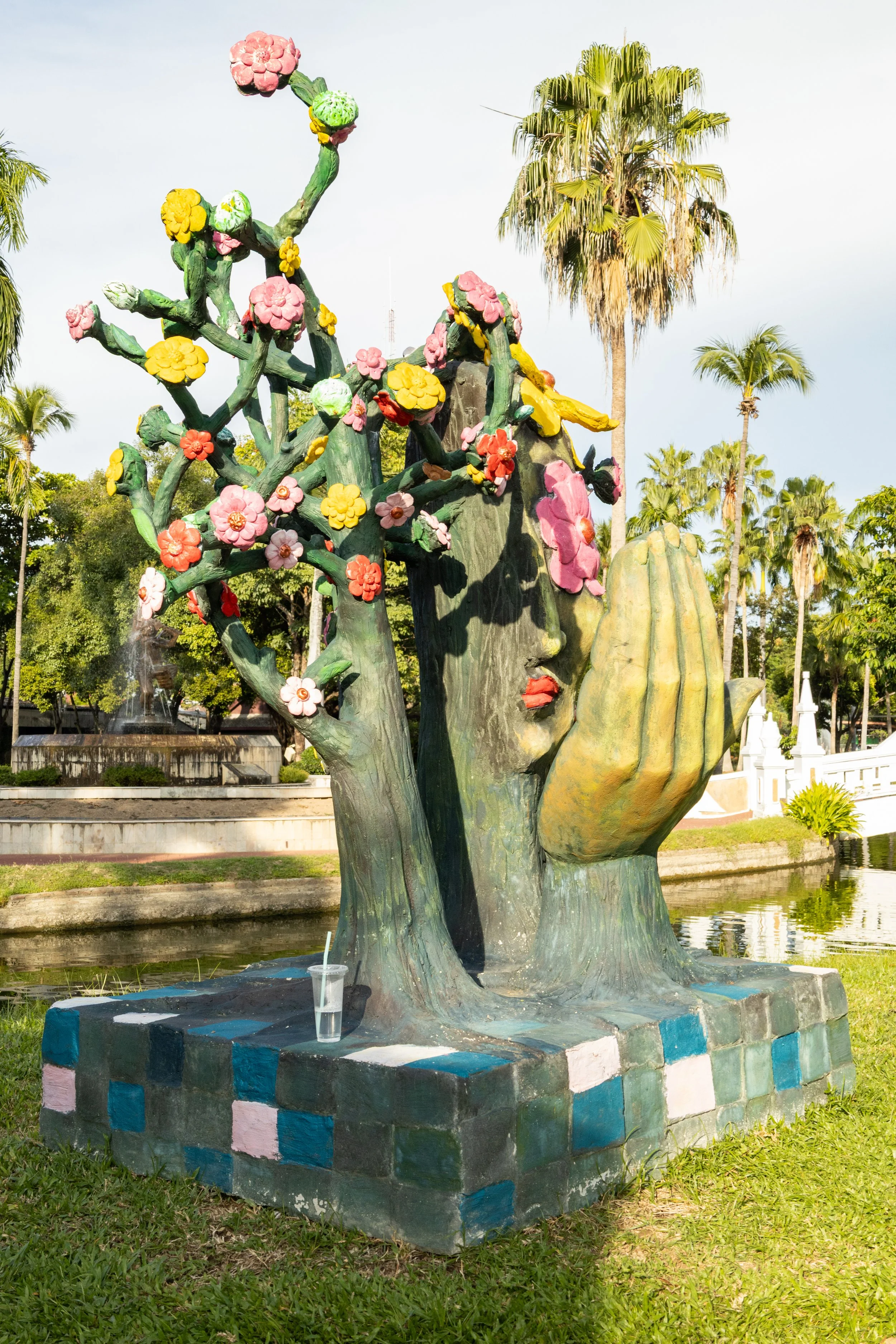
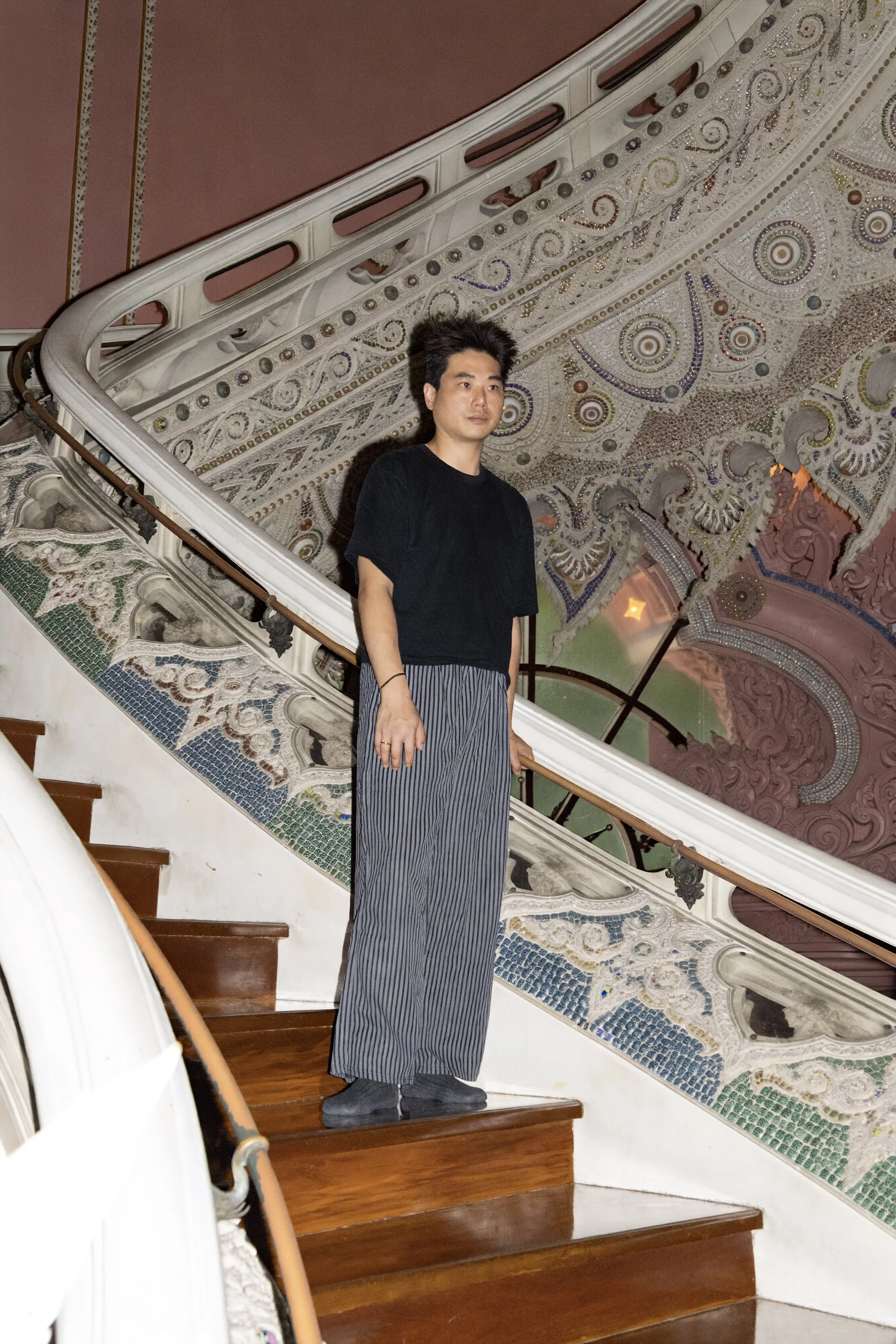
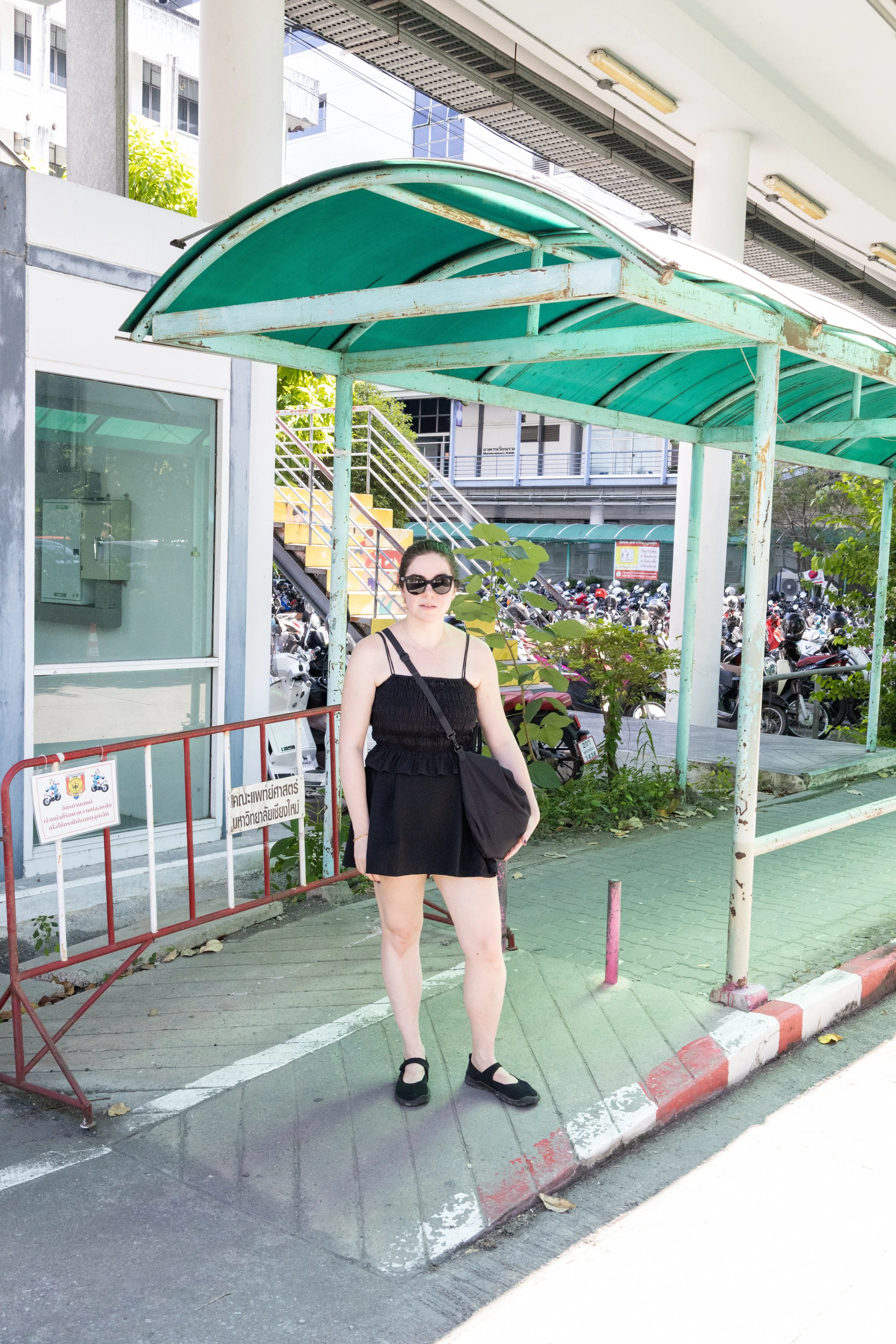
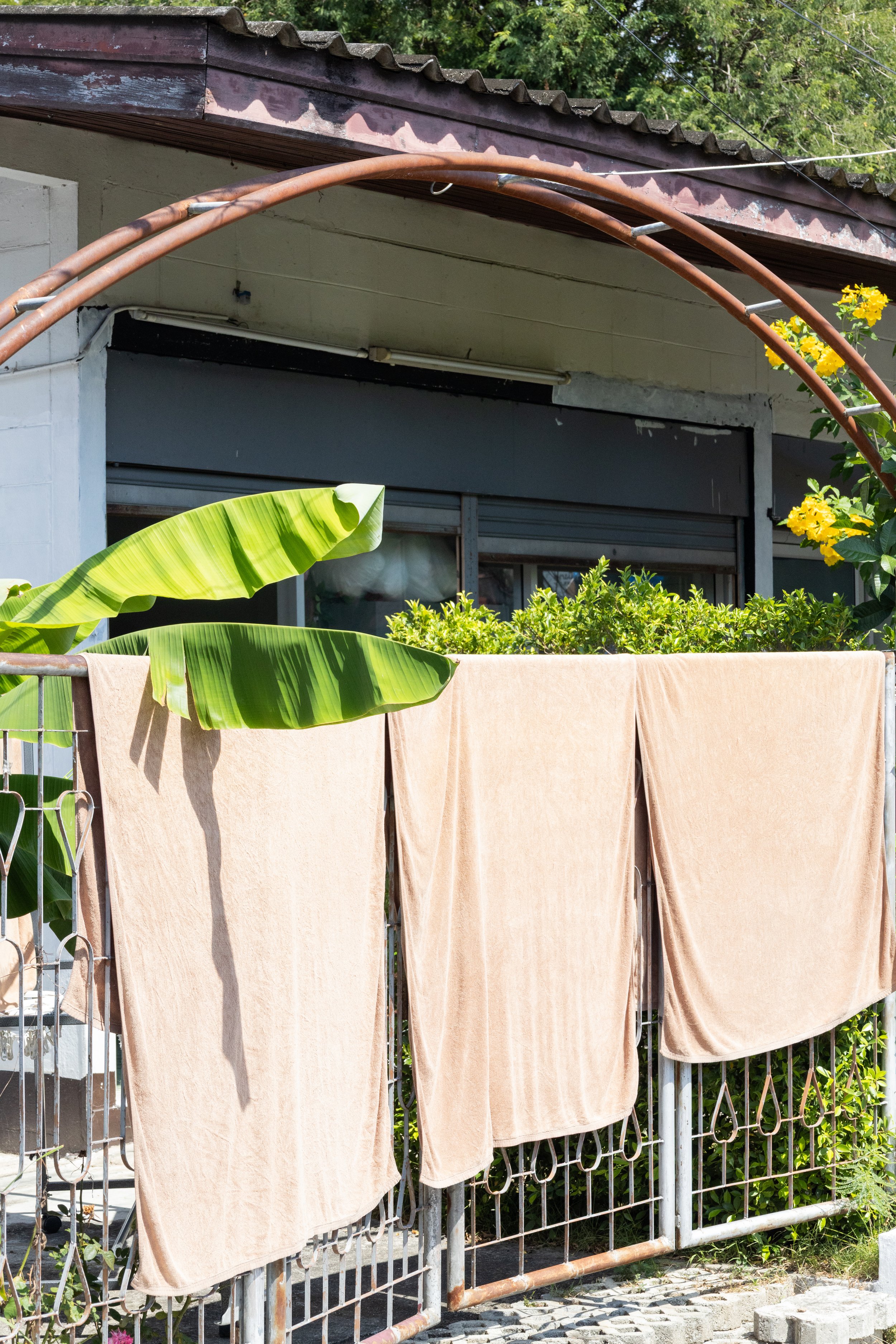
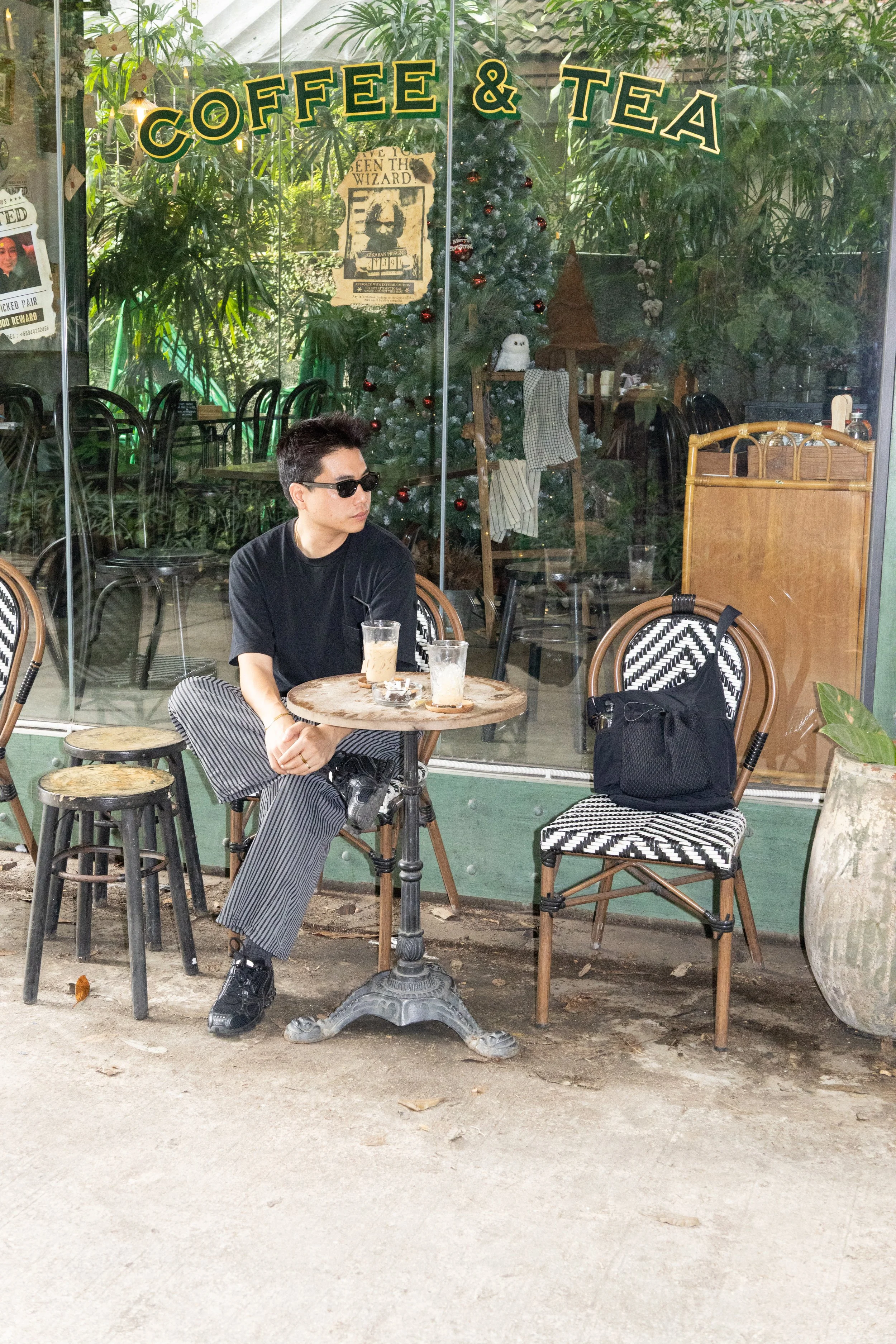
My wife and I recently spent a week and a half exploring Chiang Mai and Bangkok, Thailand, and I wanted to share a selection of photographs I made during our travels.Thailand is a place where spirituality, culture, and everyday life feel deeply intertwined.
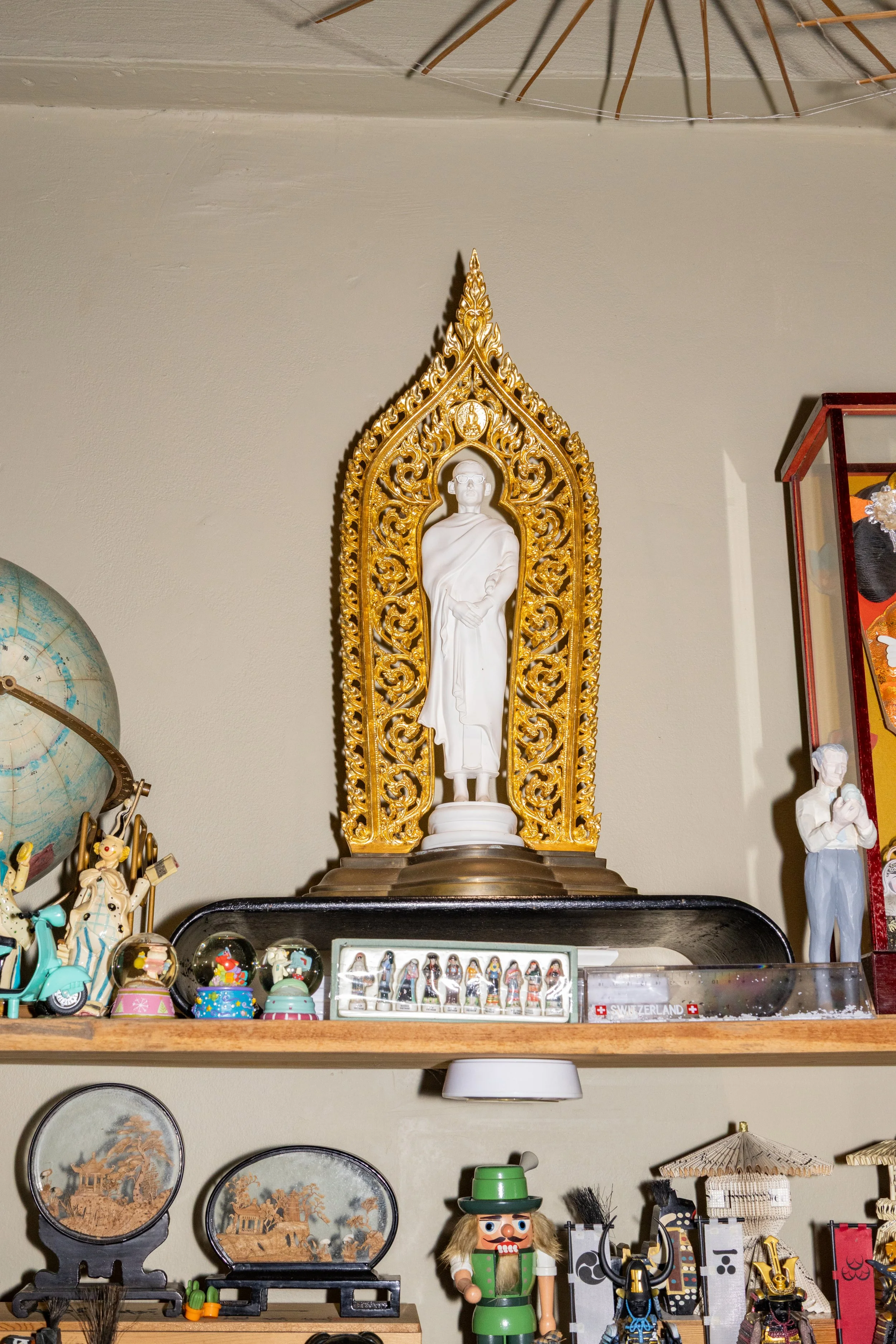
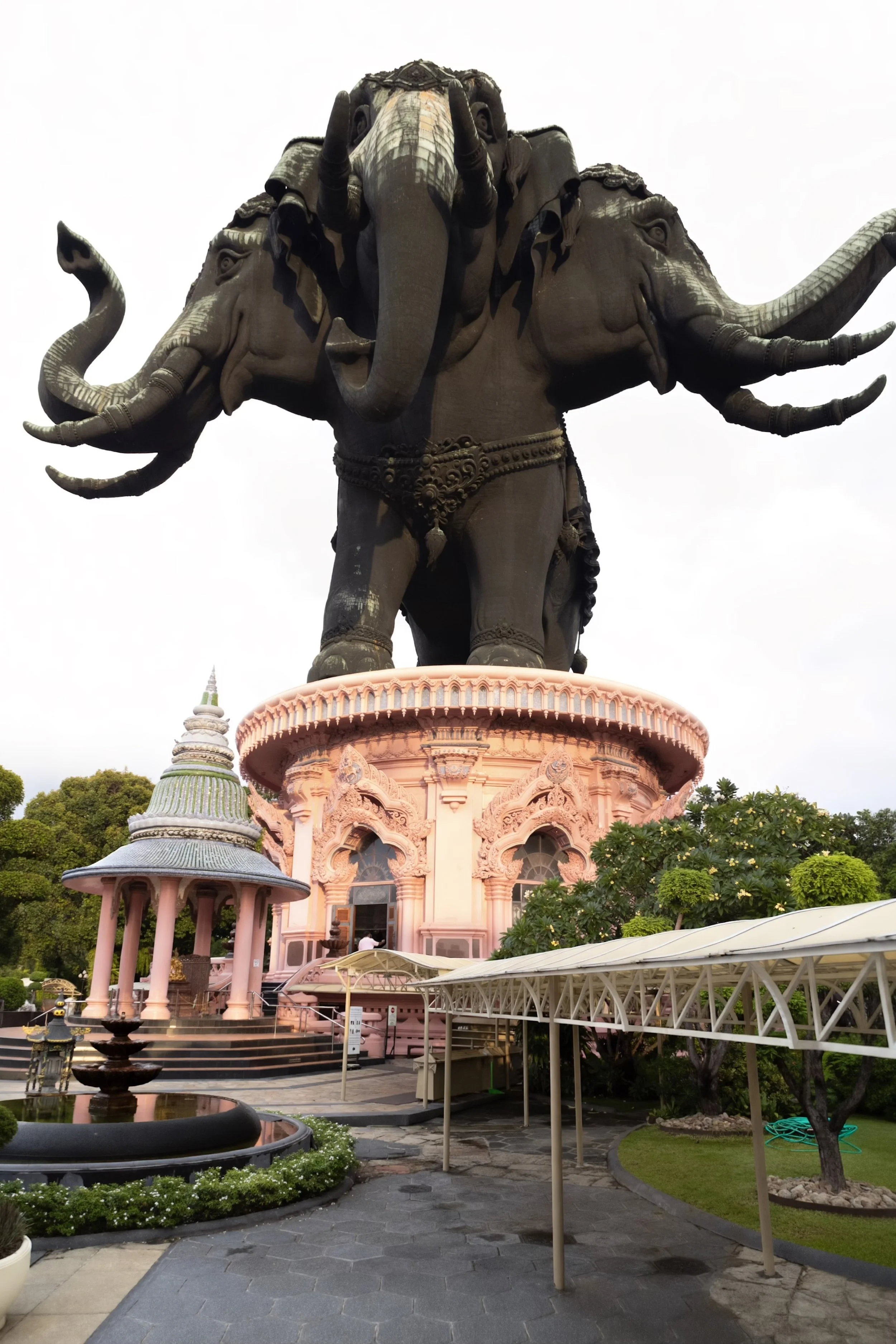
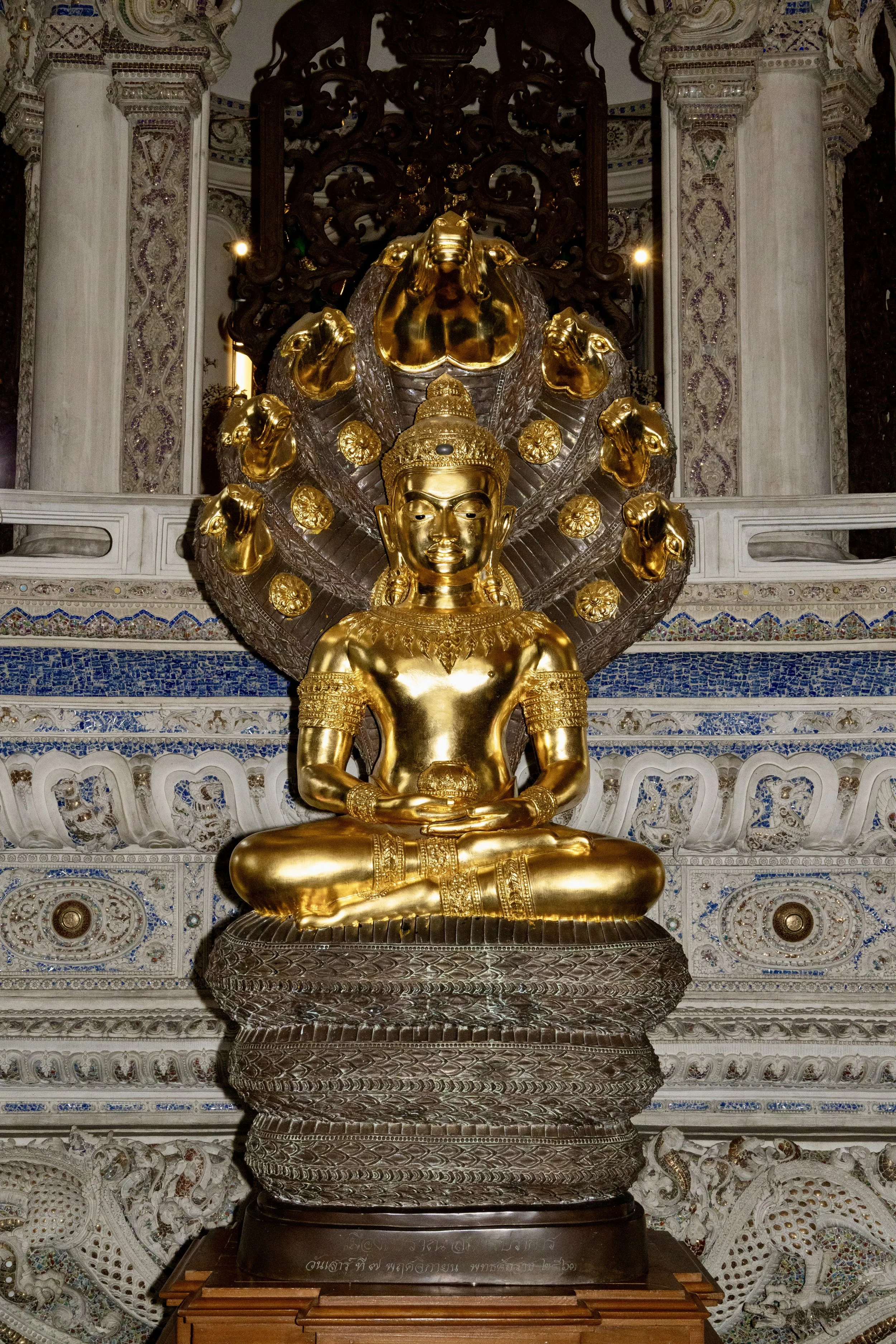
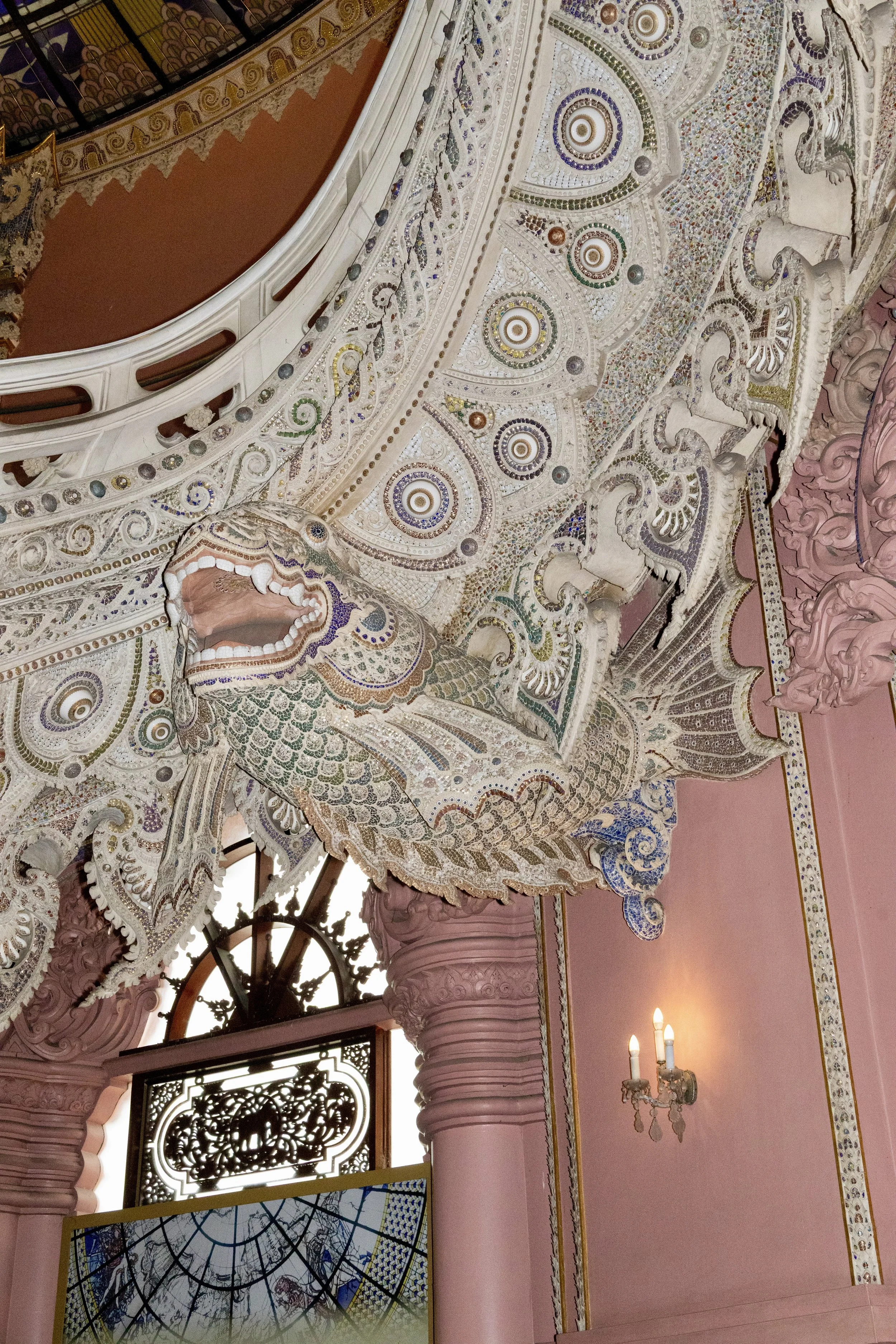
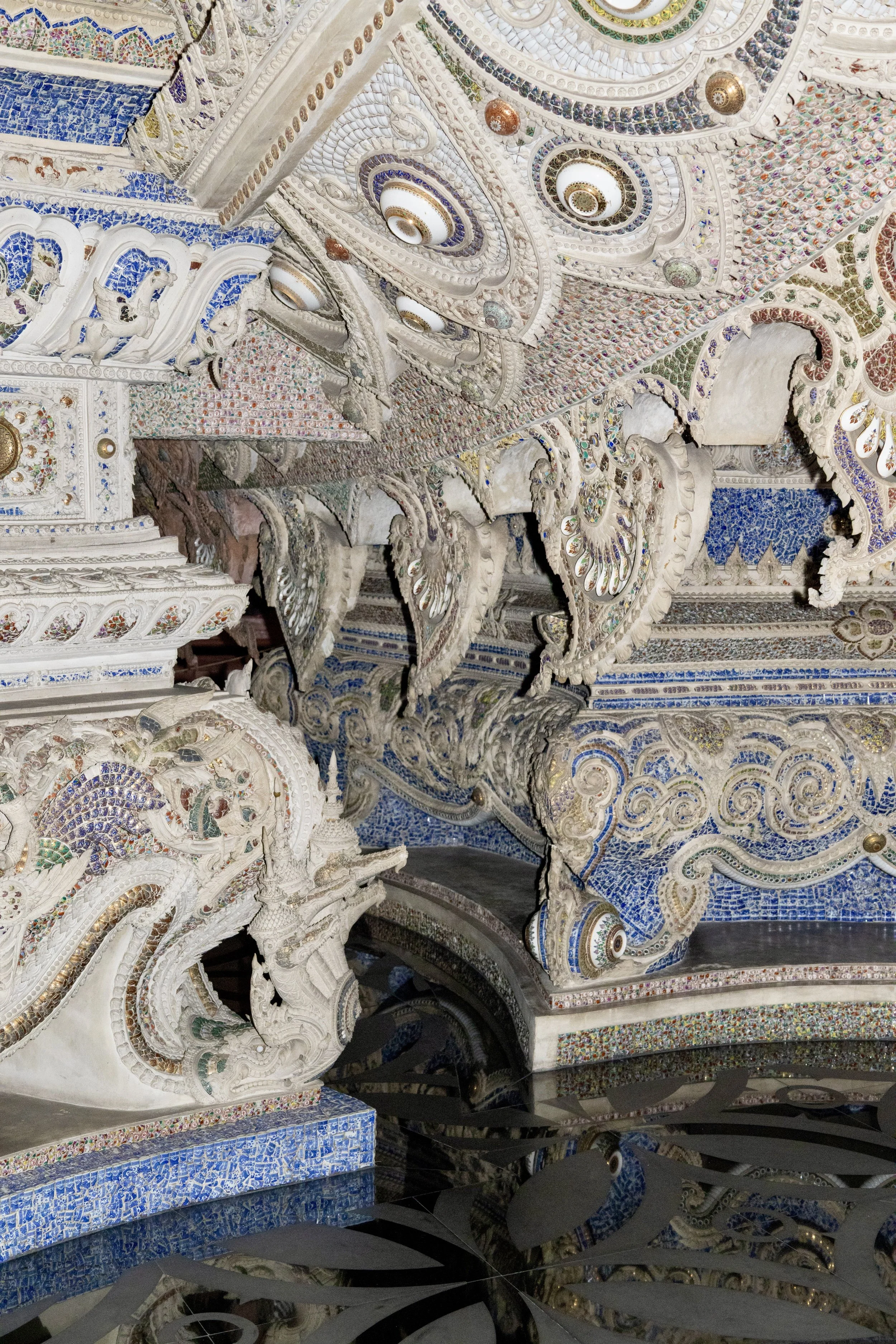
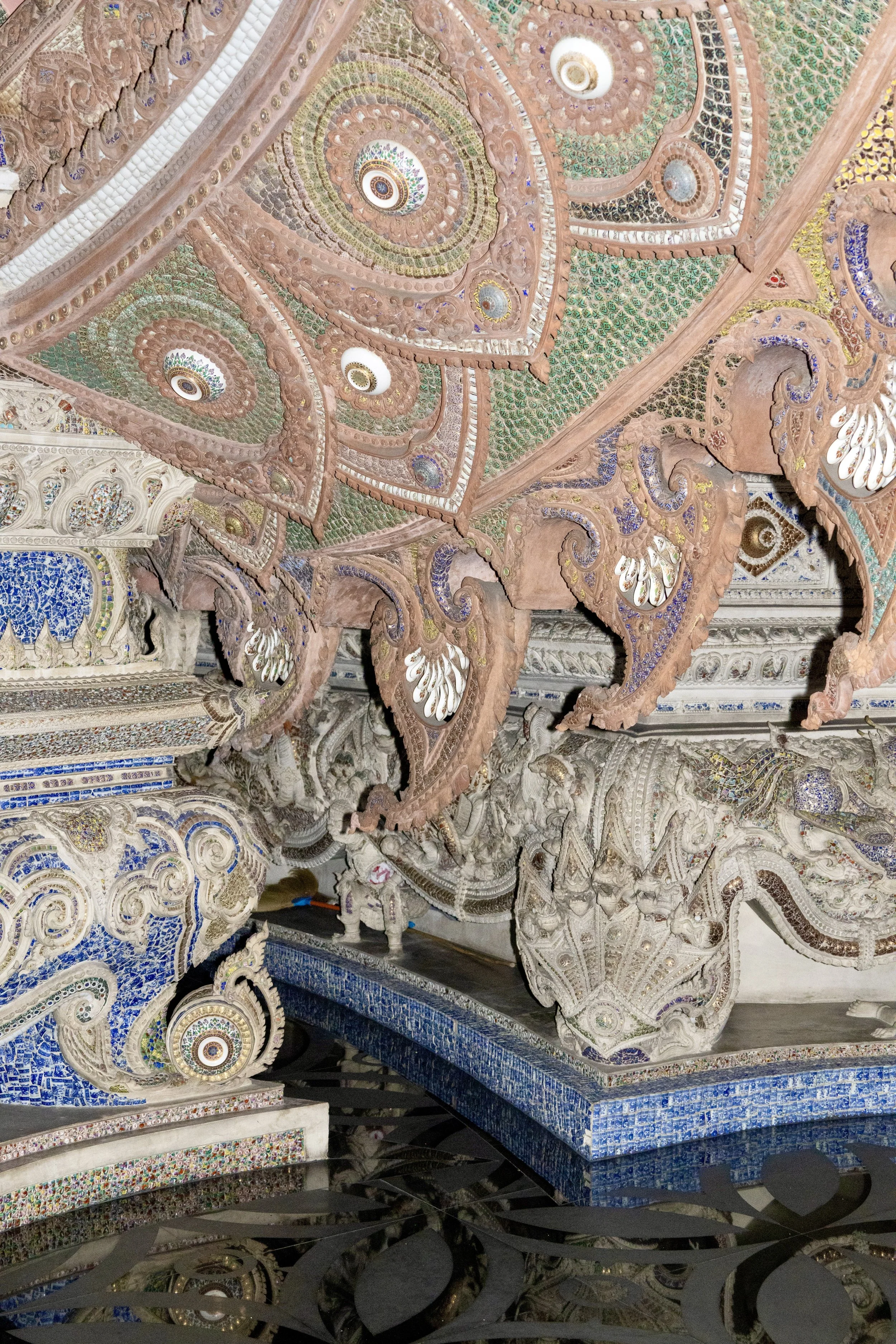
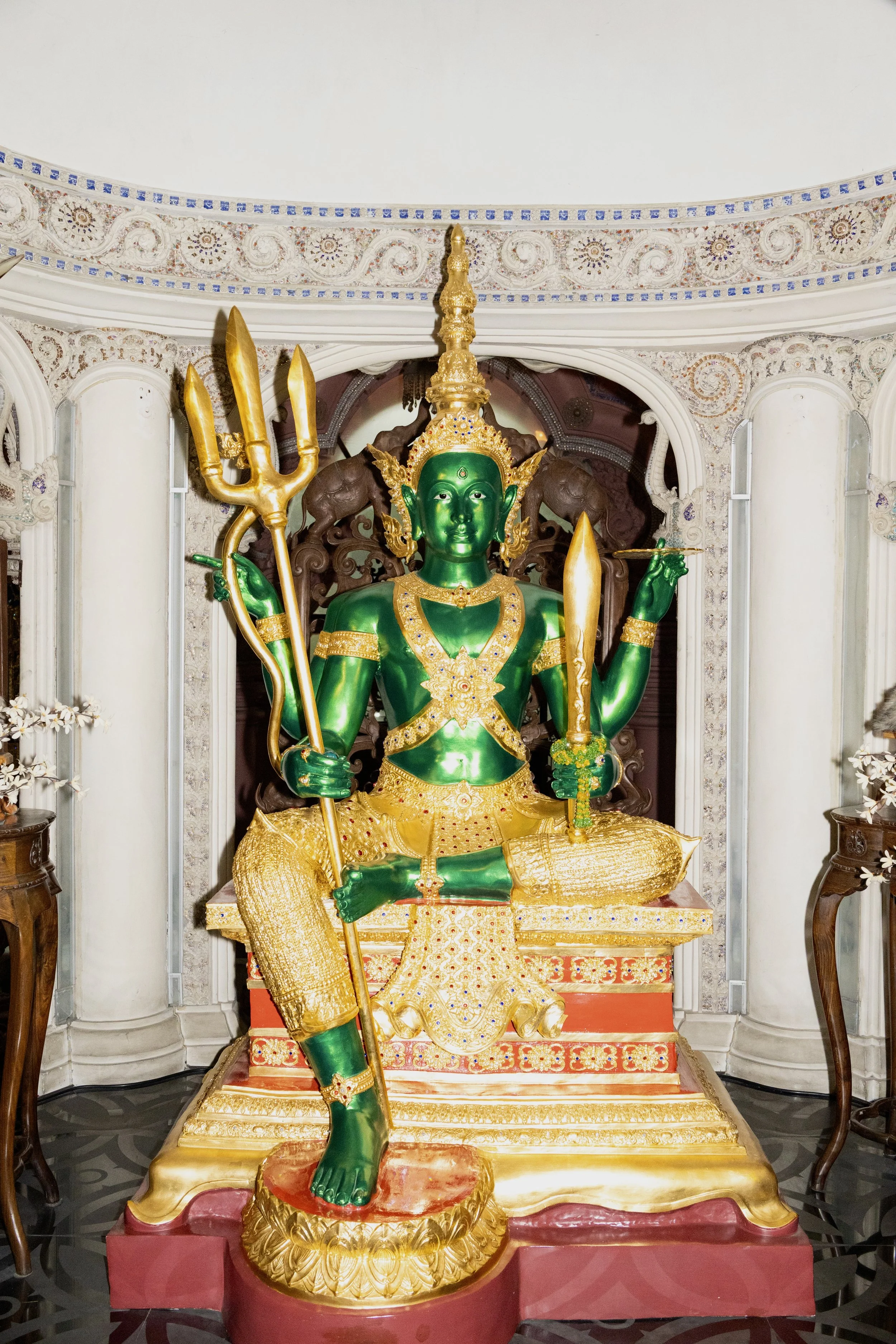
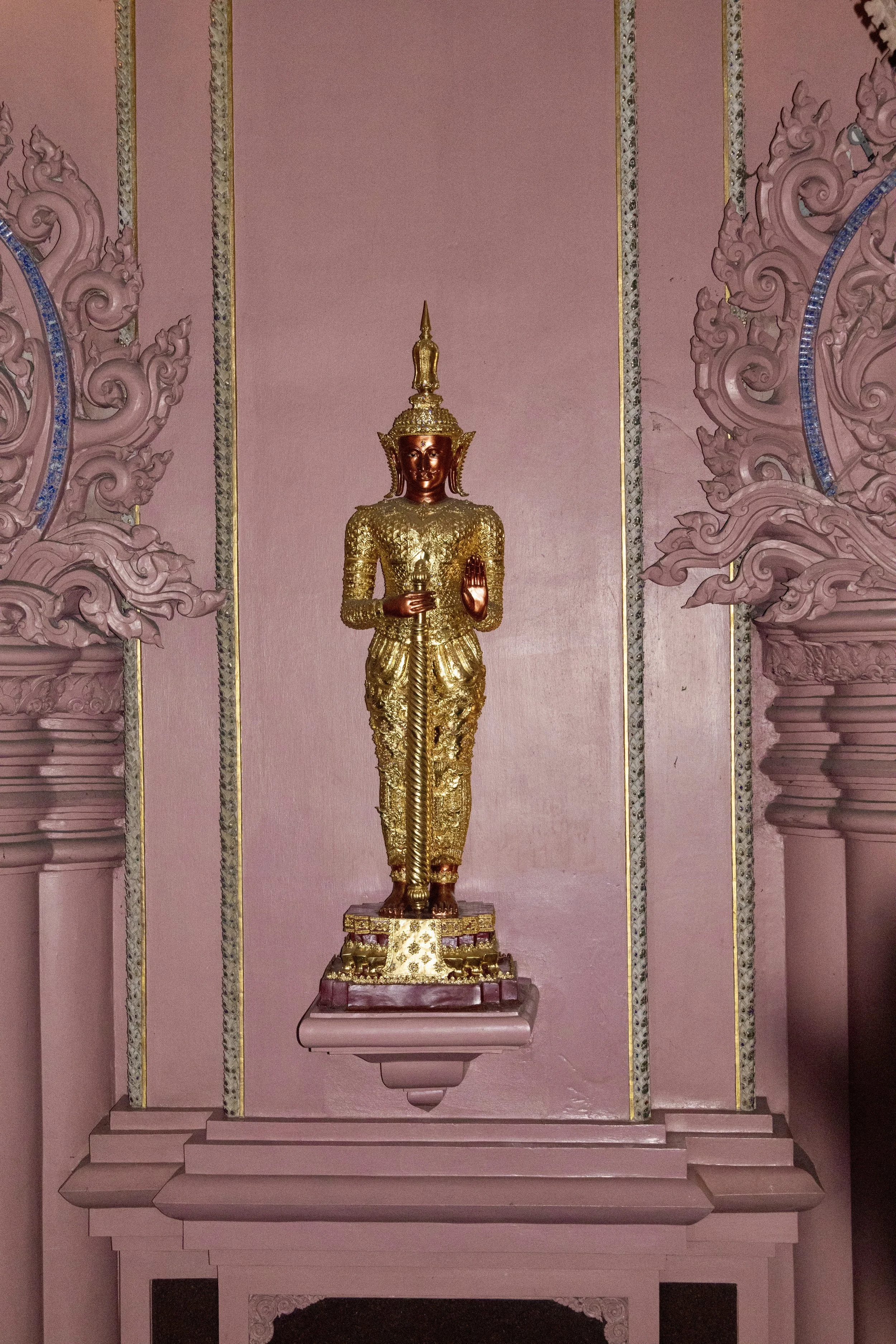
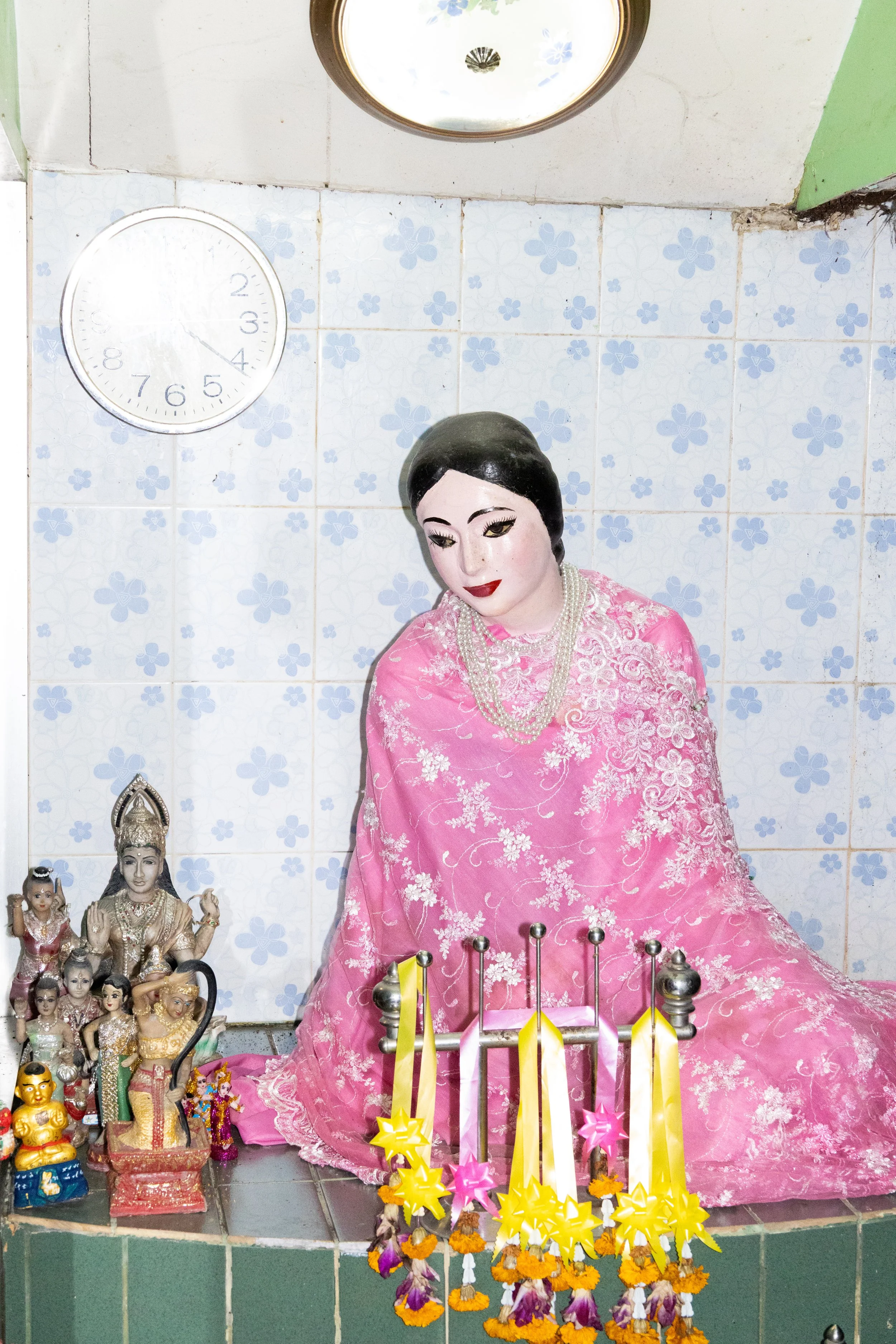
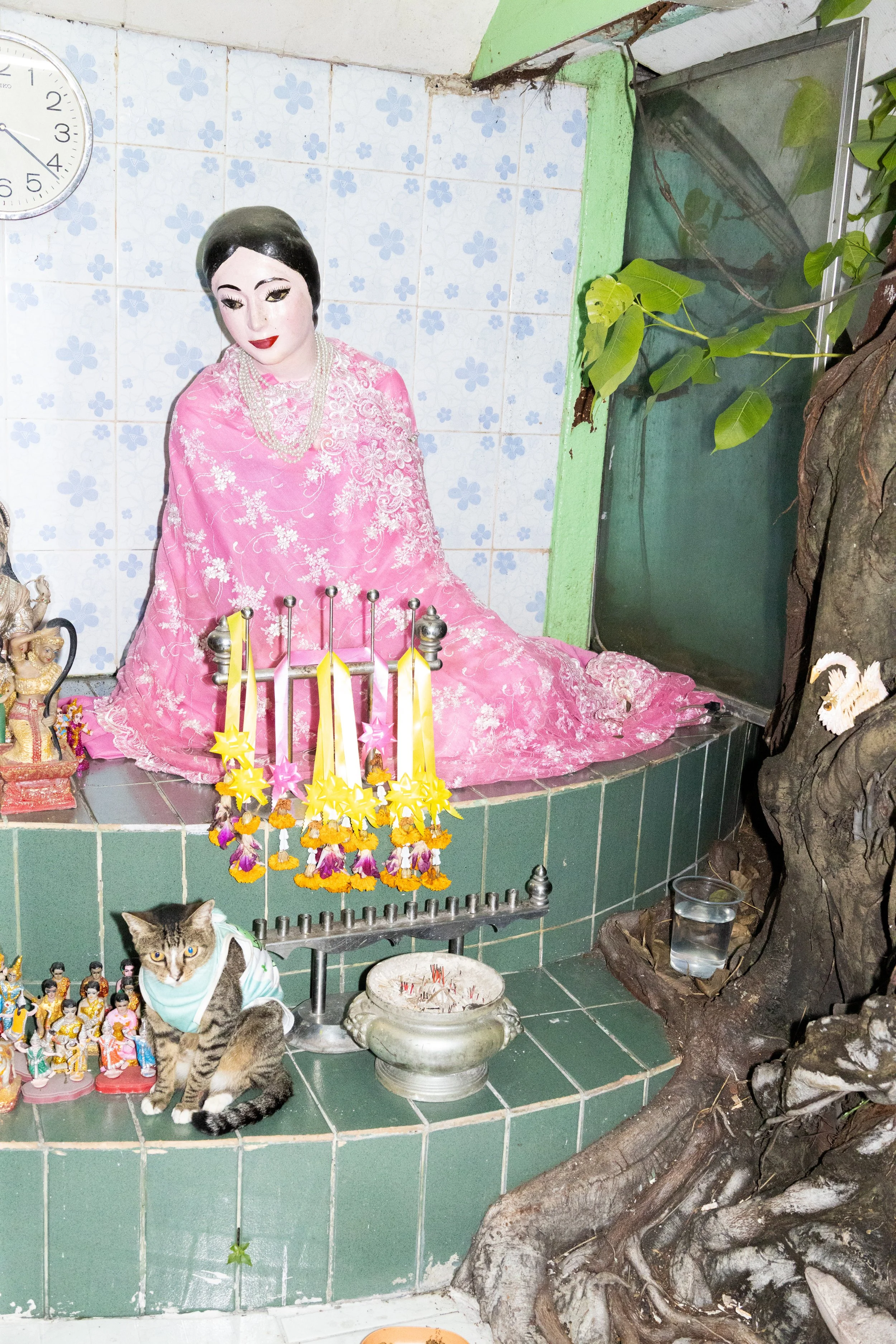
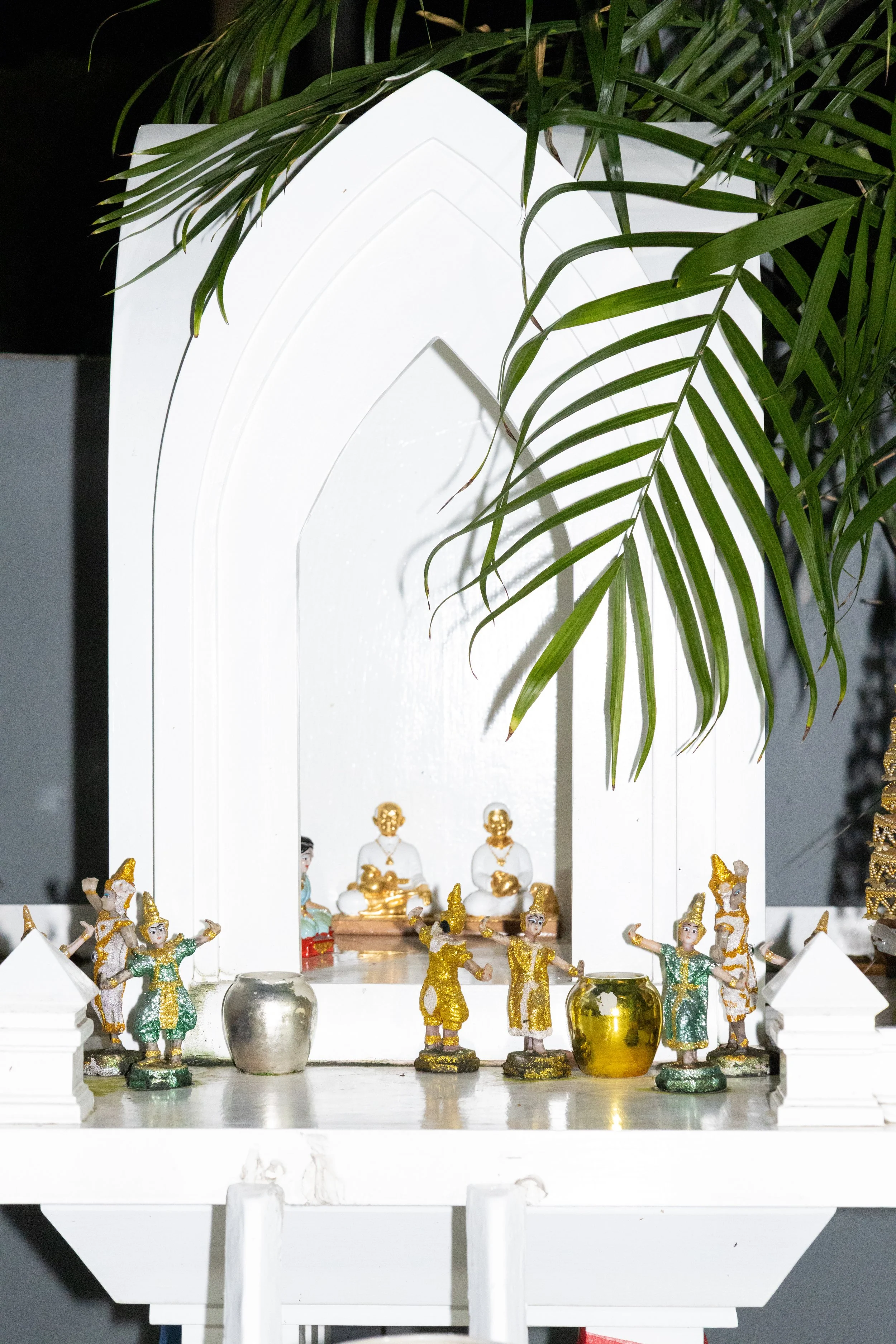
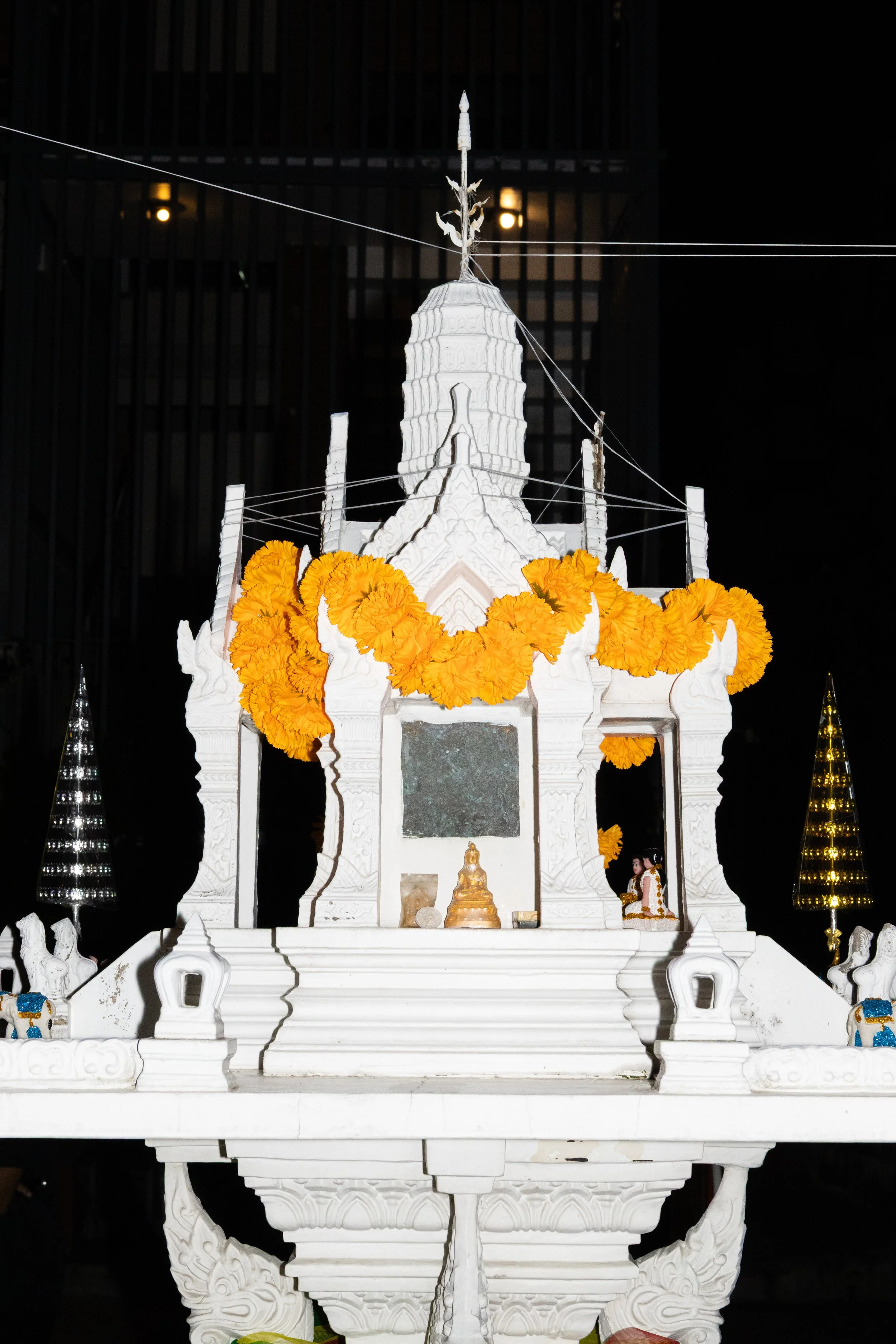
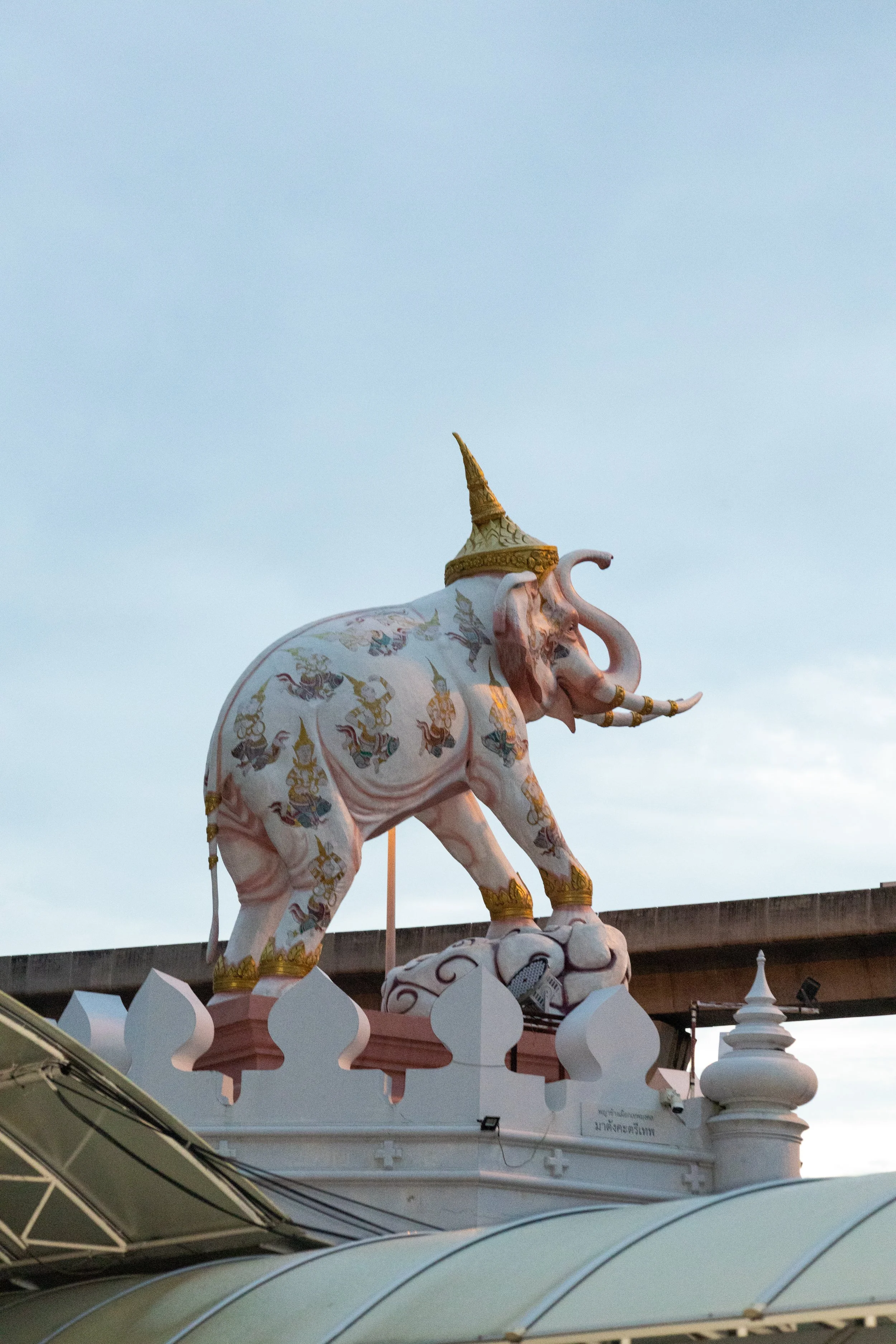
Shrines and temples are woven into the fabric of the cities, and I was particularly drawn to the visual language of Buddhist art and its representations of the human form. In researching some of the imagery, I became interested in interpretations of Buddha that emphasize androgynous qualities, softened facial features, and symbolism that transcends conventional ideas of gender.
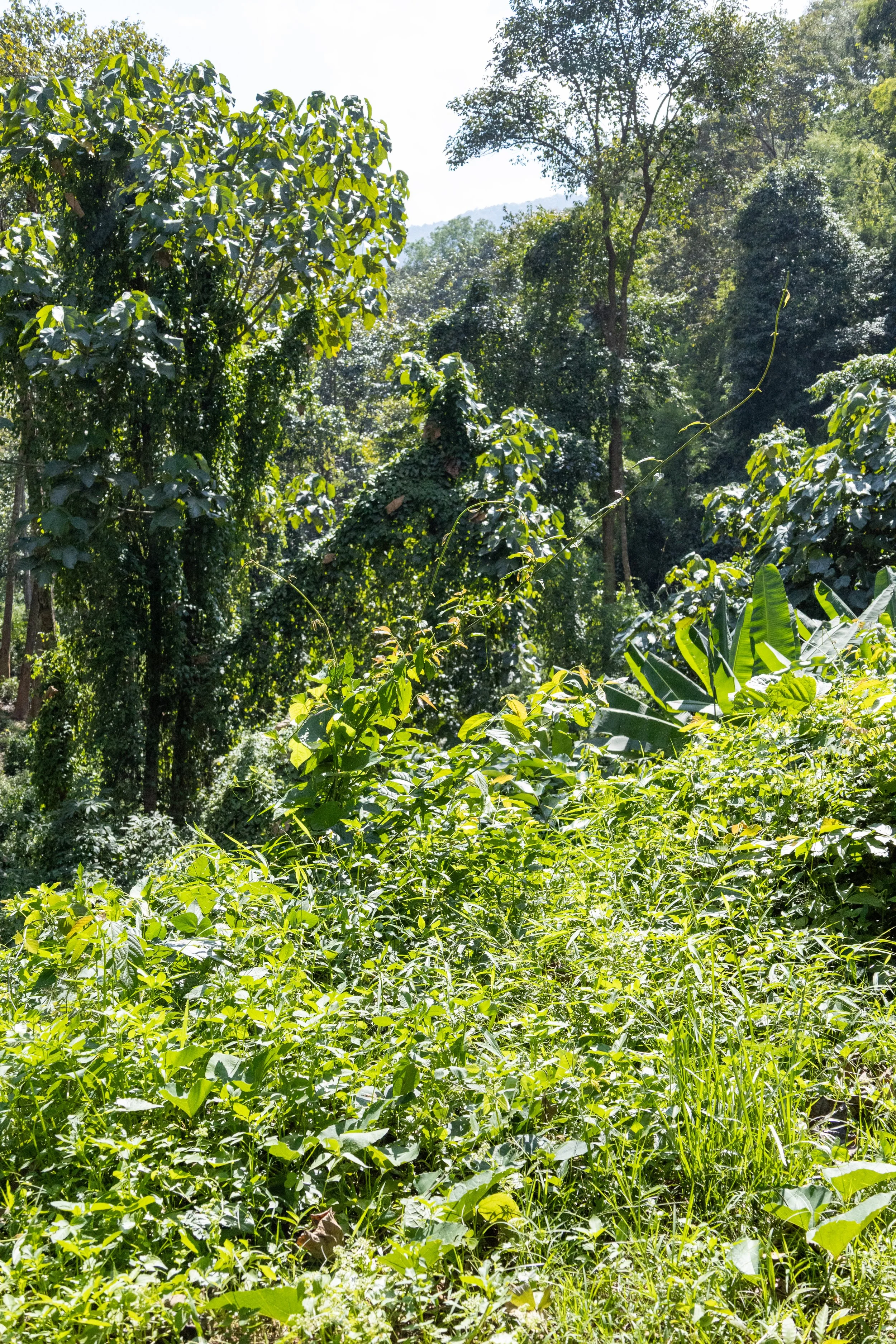
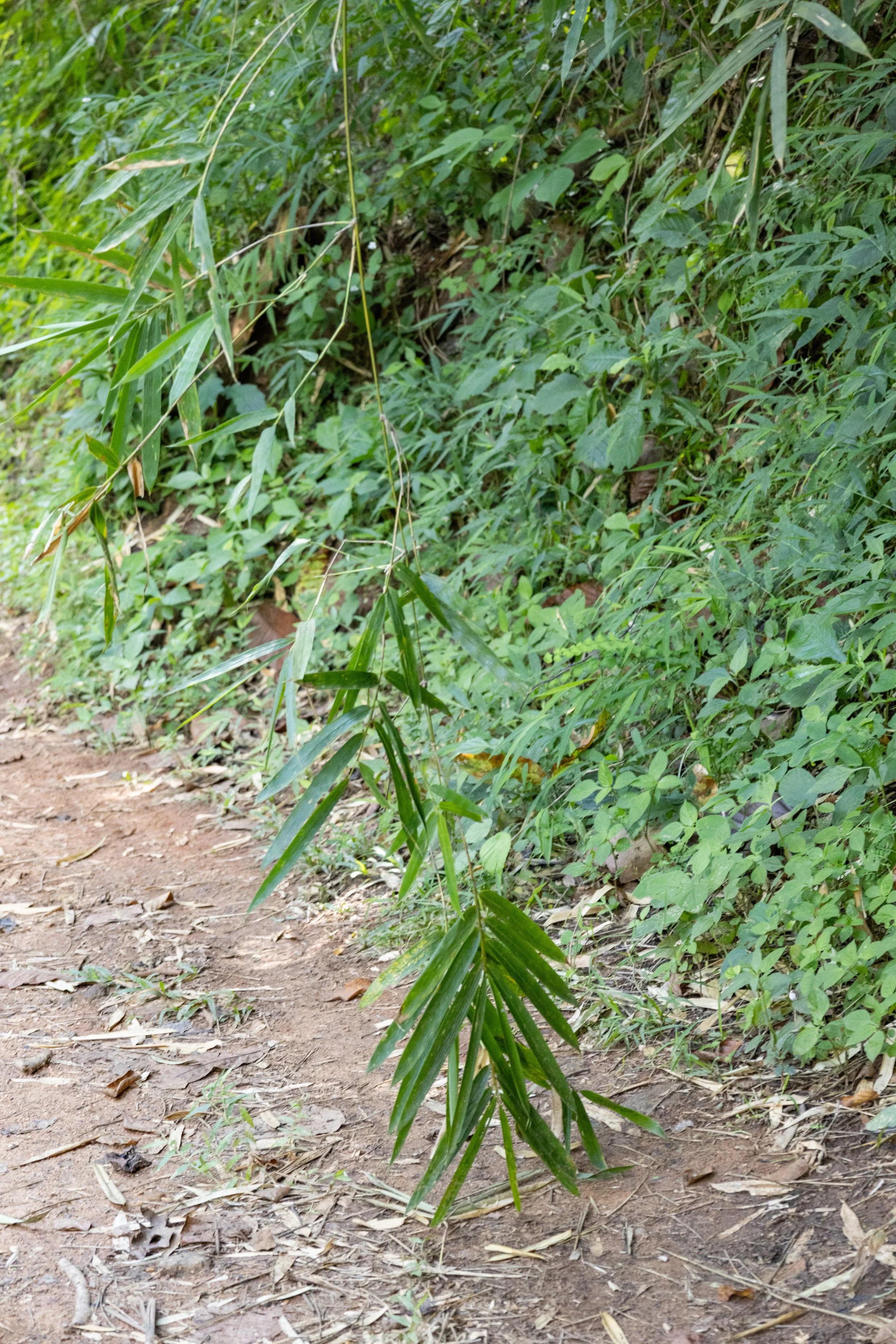
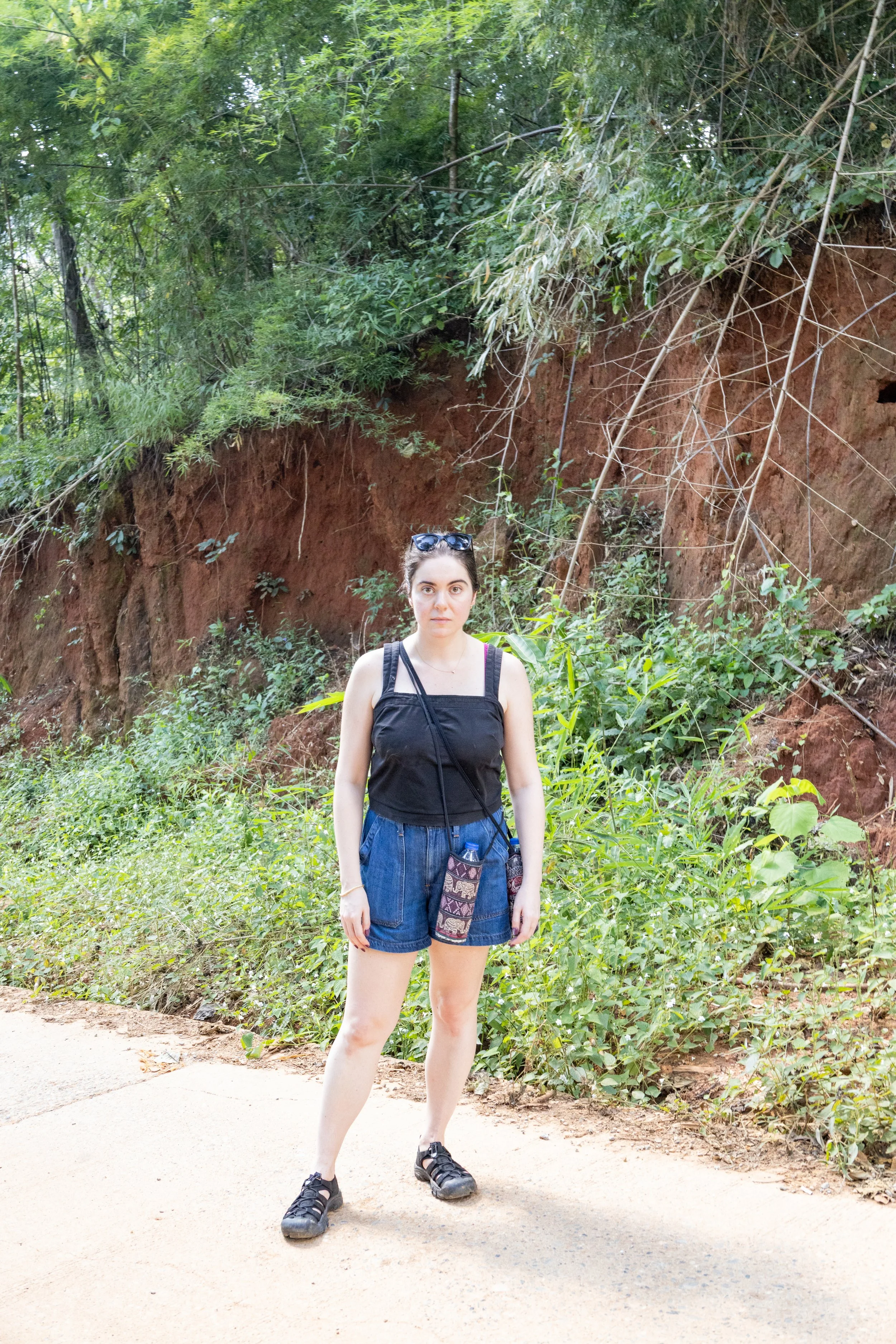
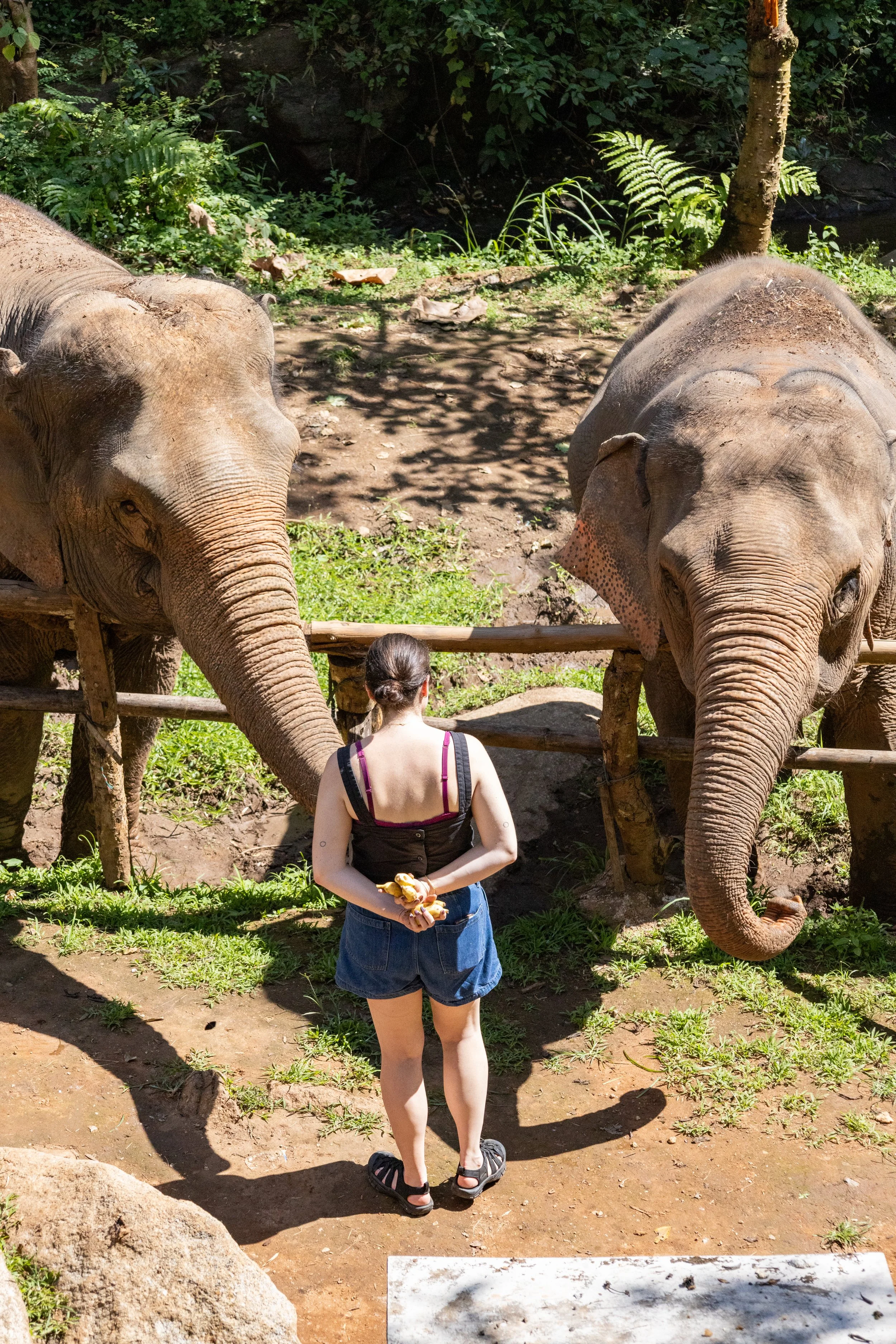
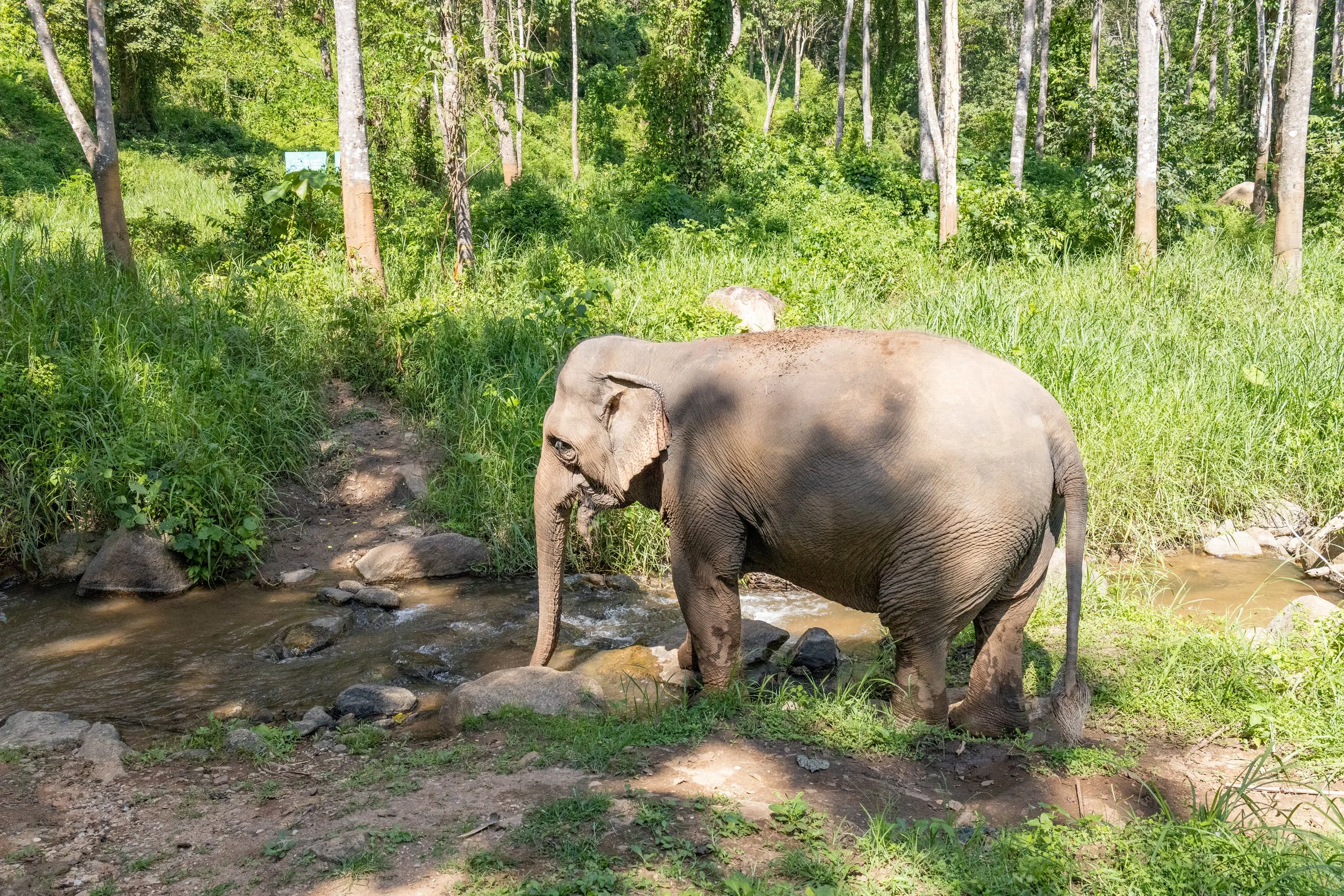
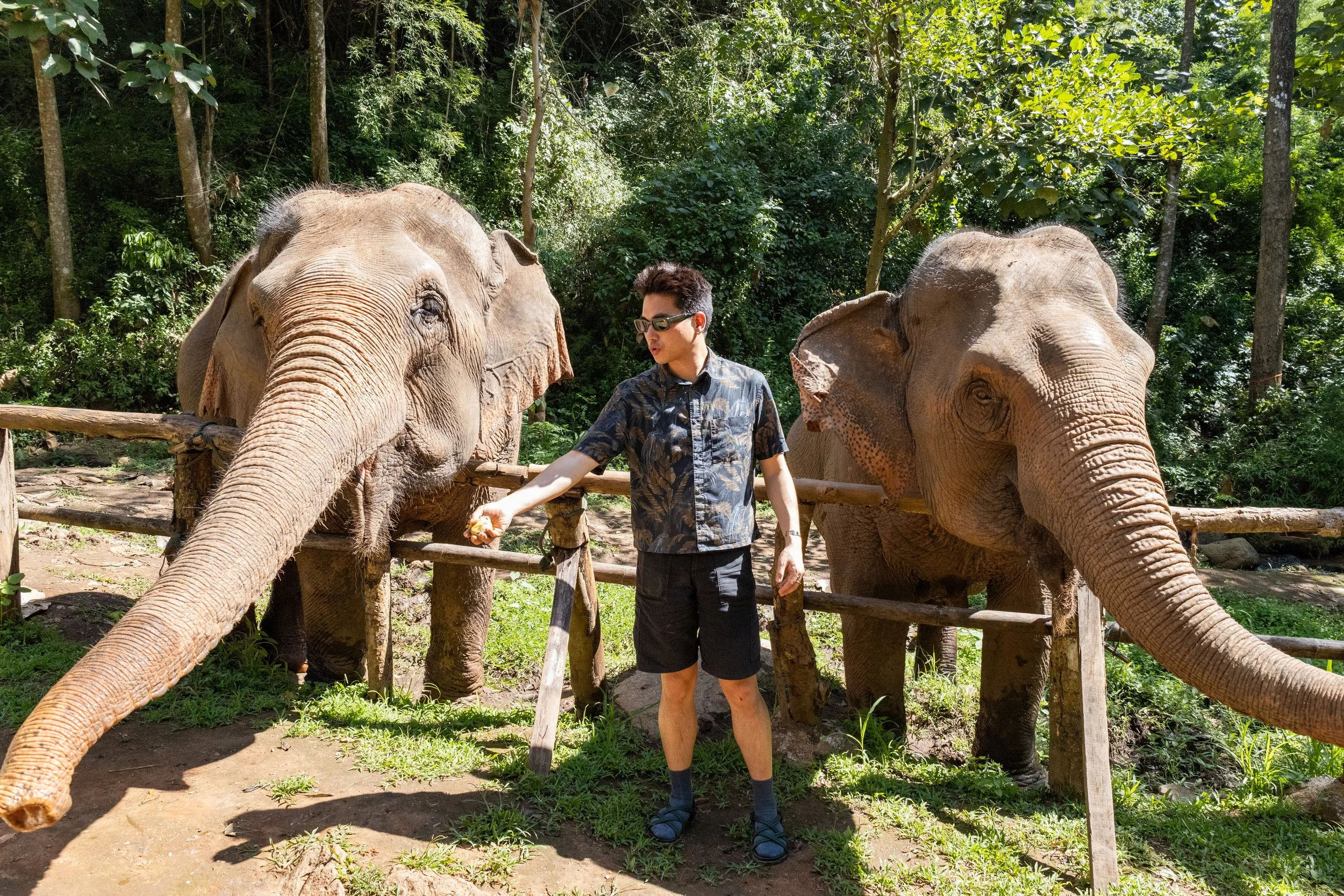
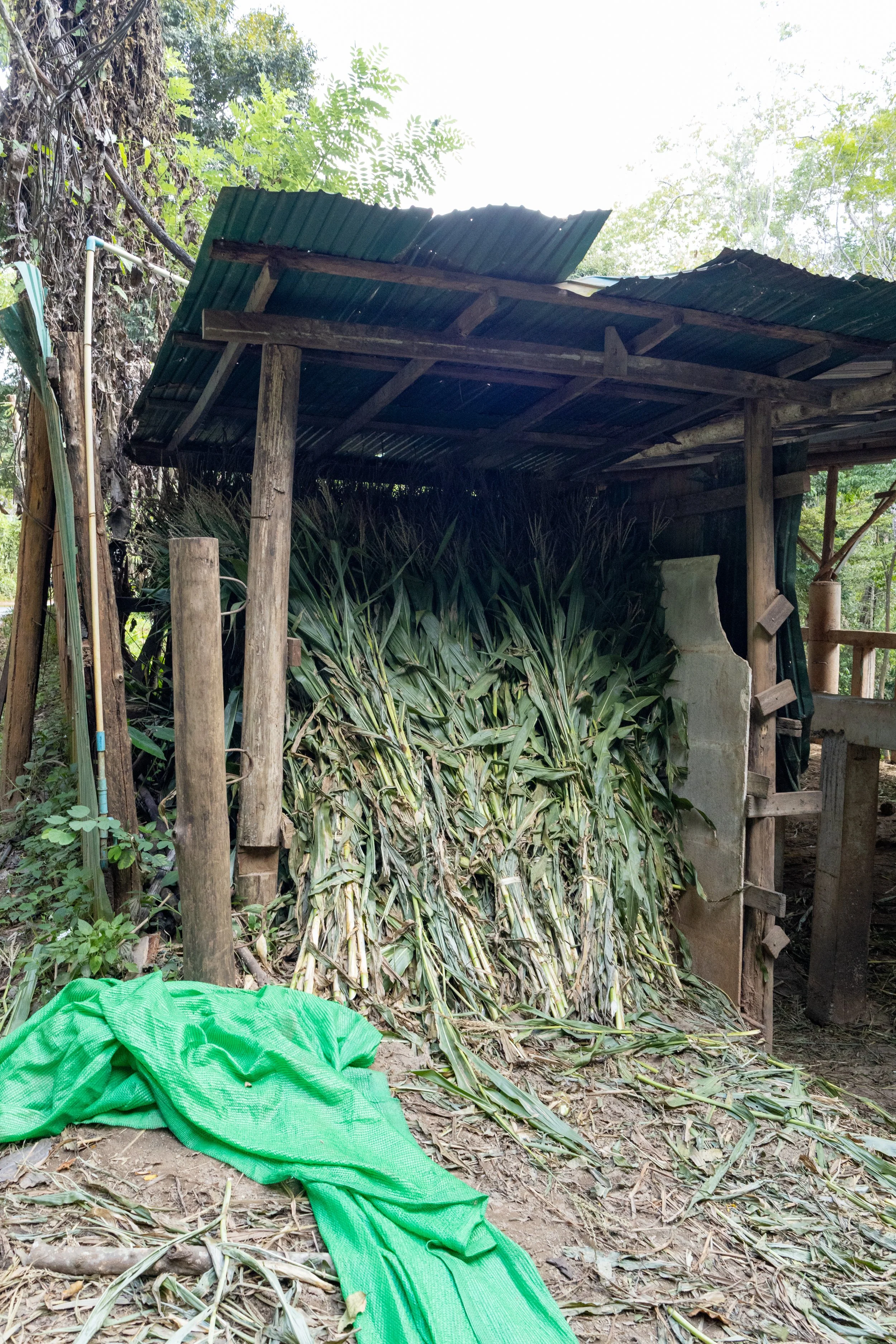
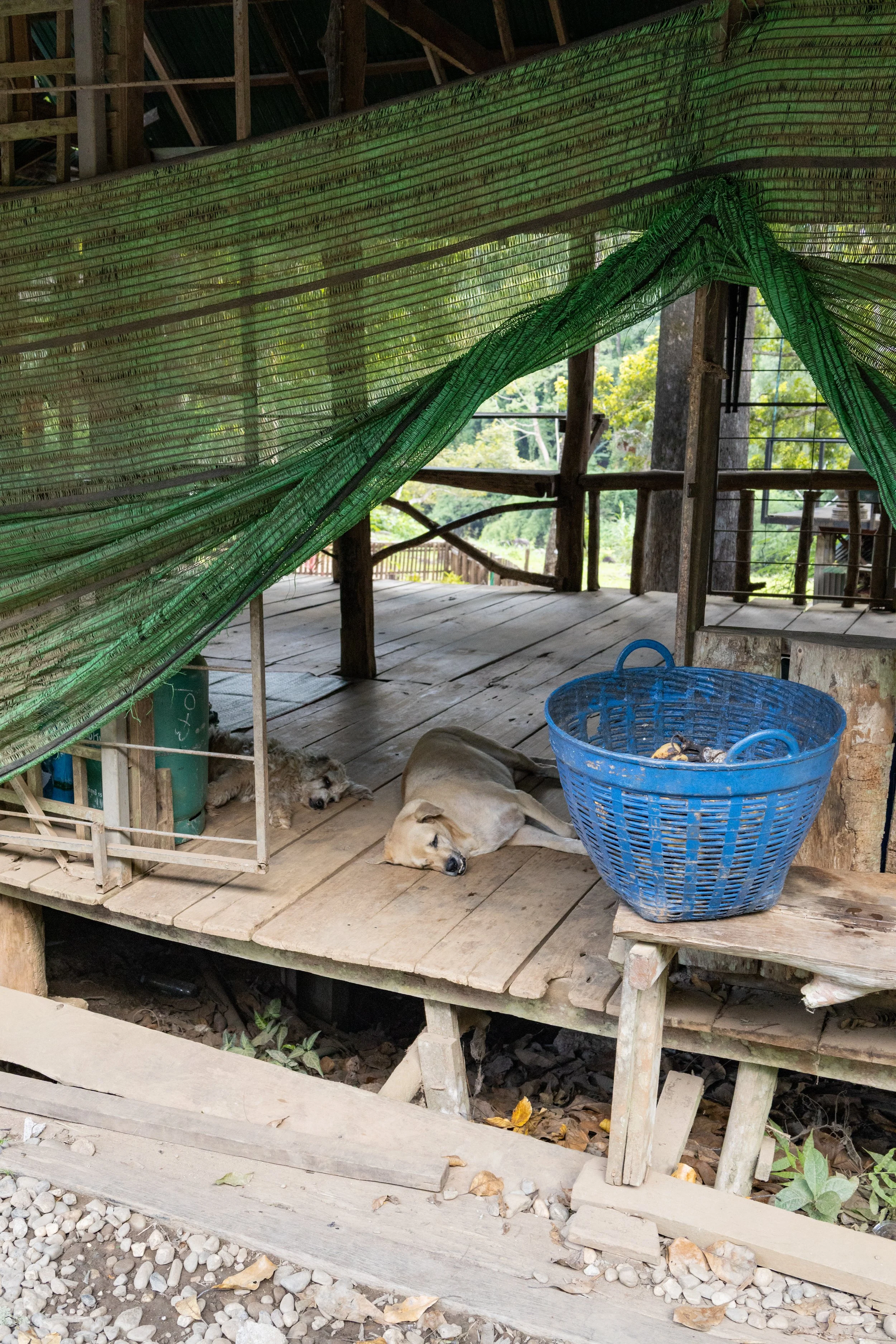
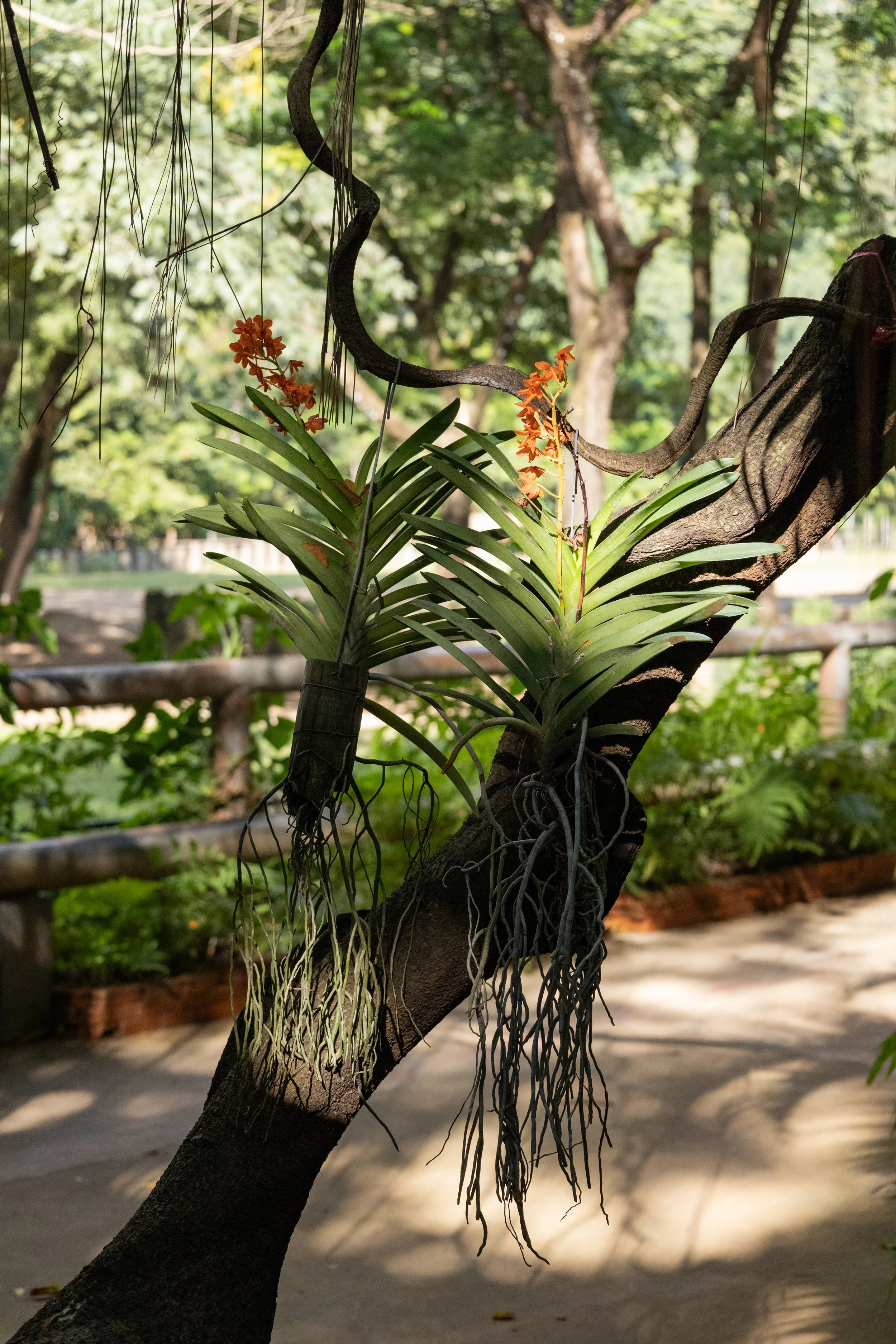
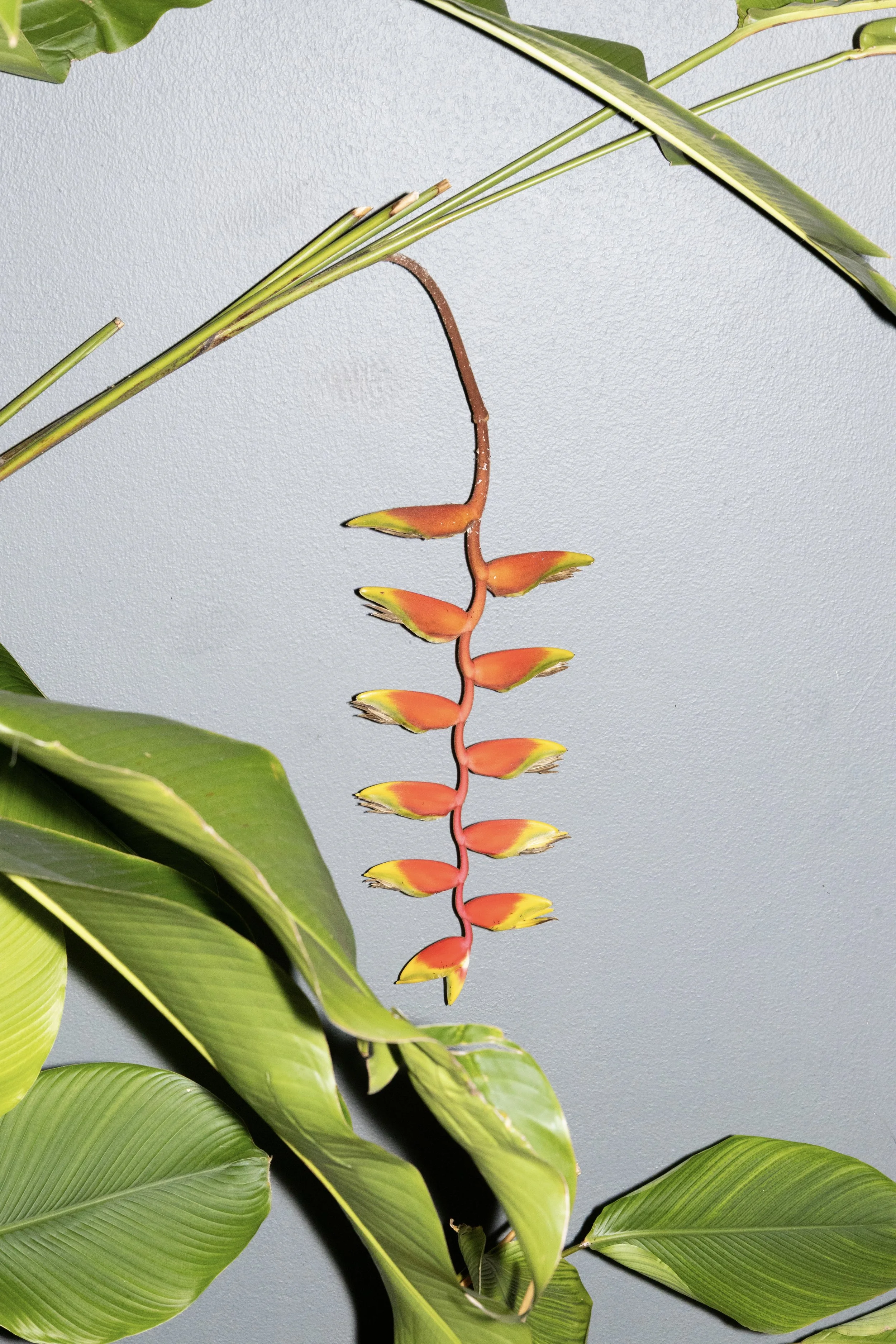
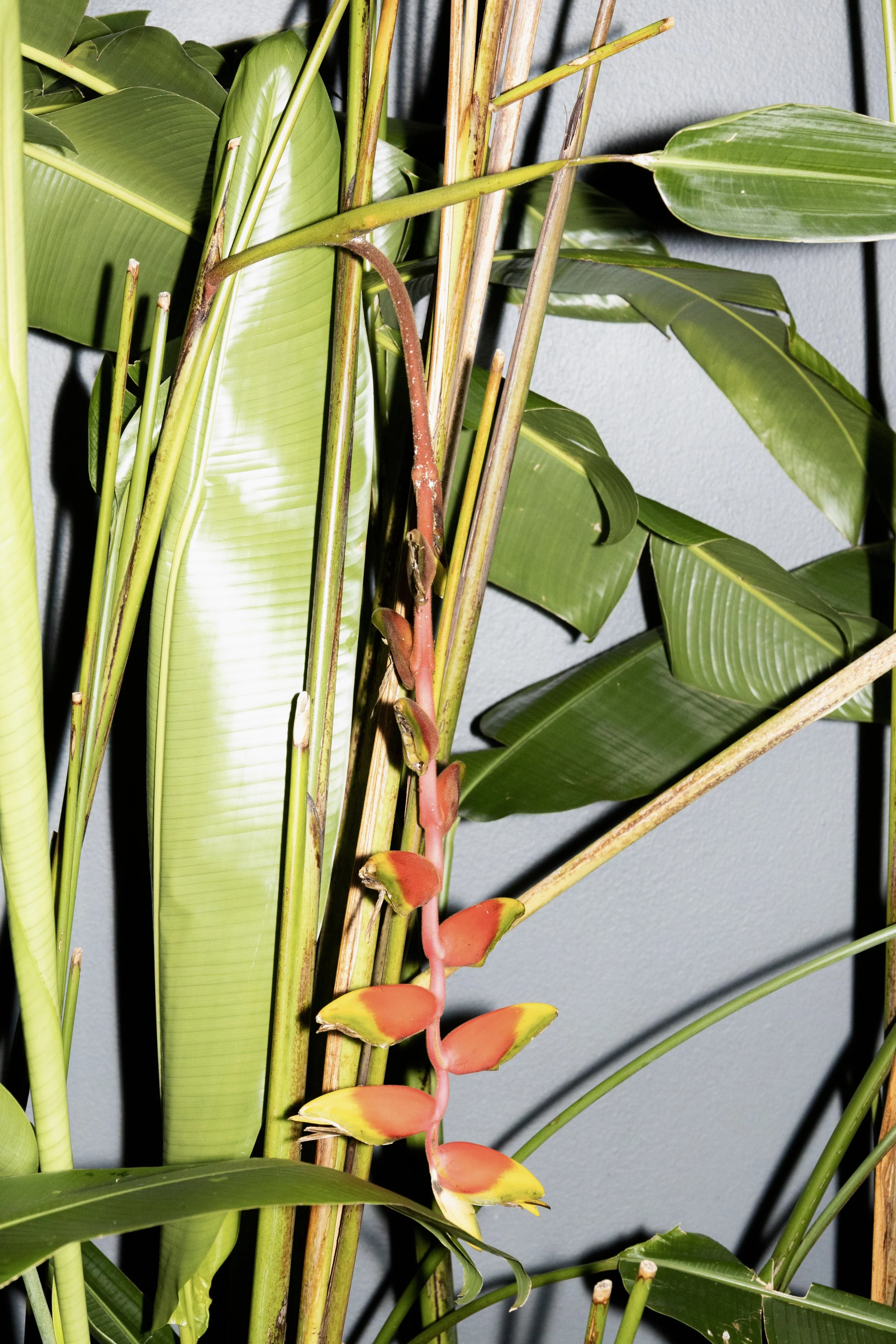
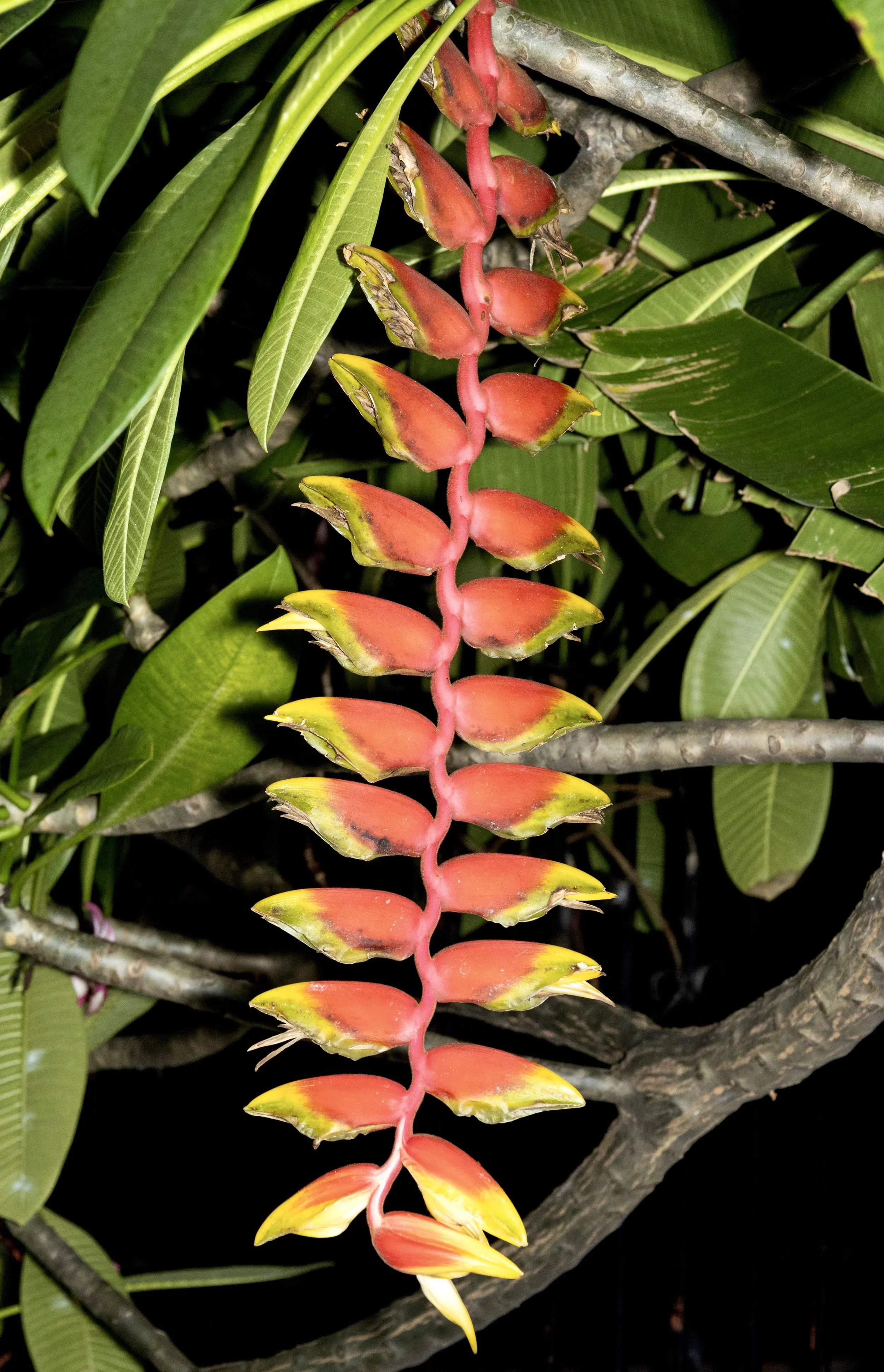
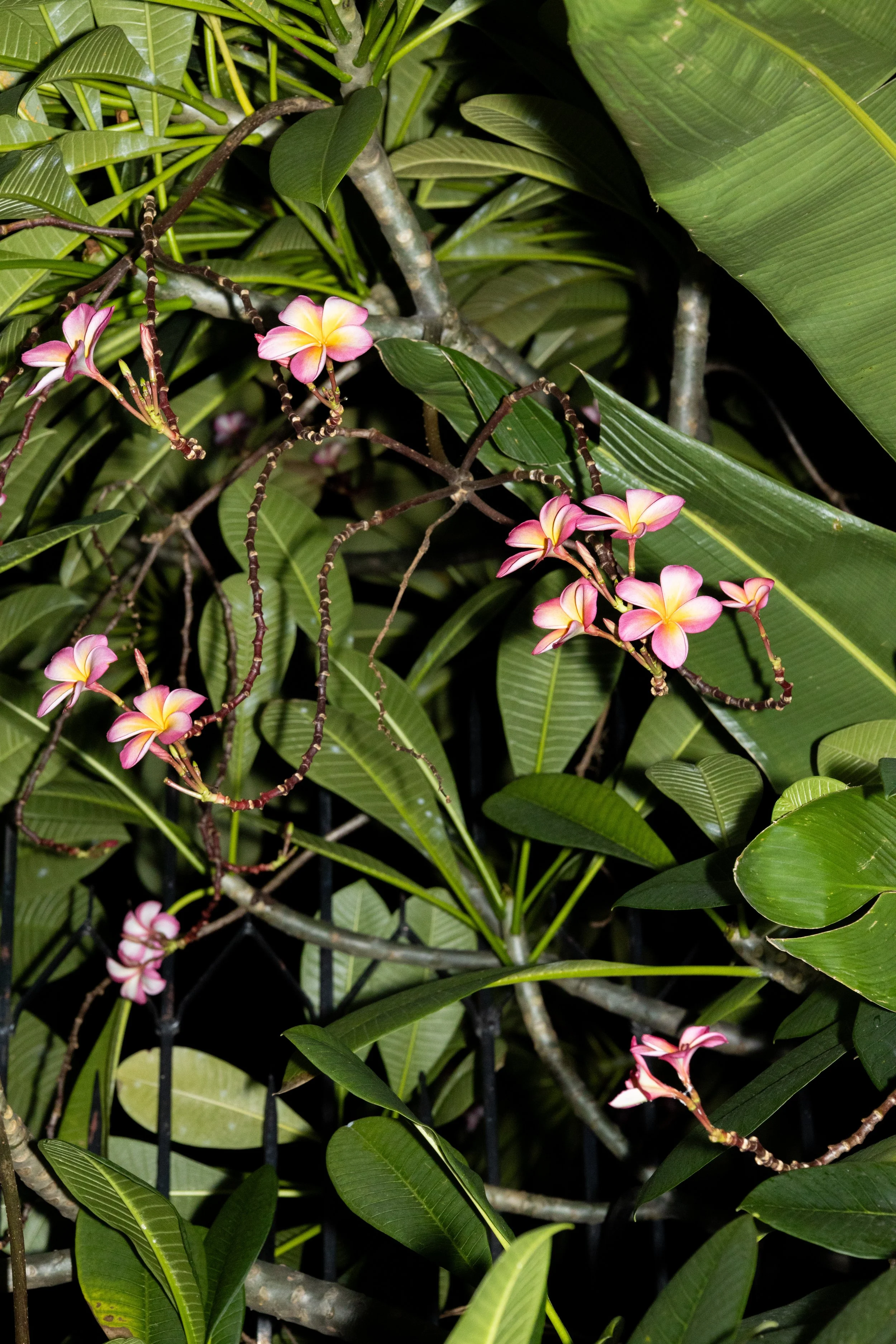
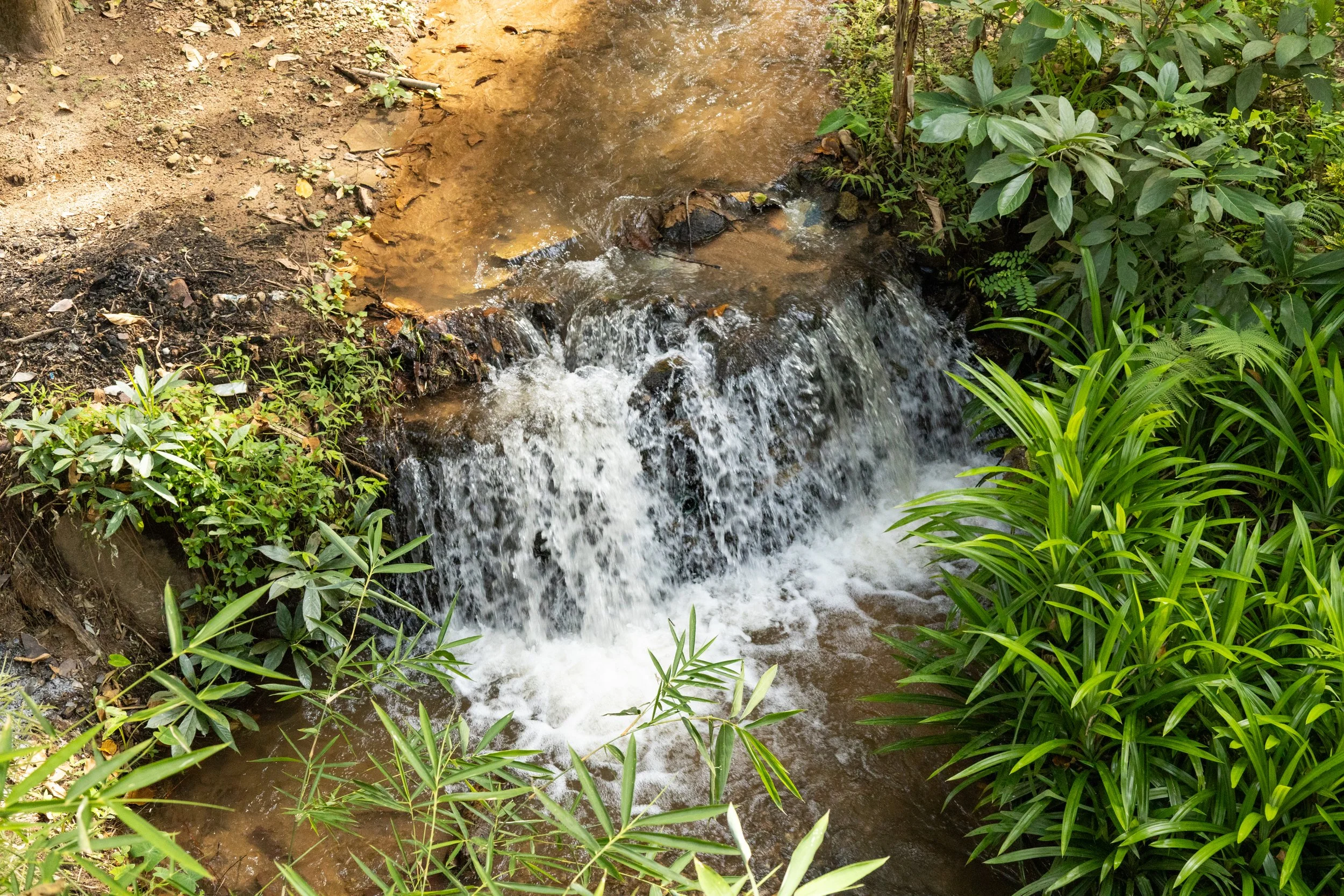
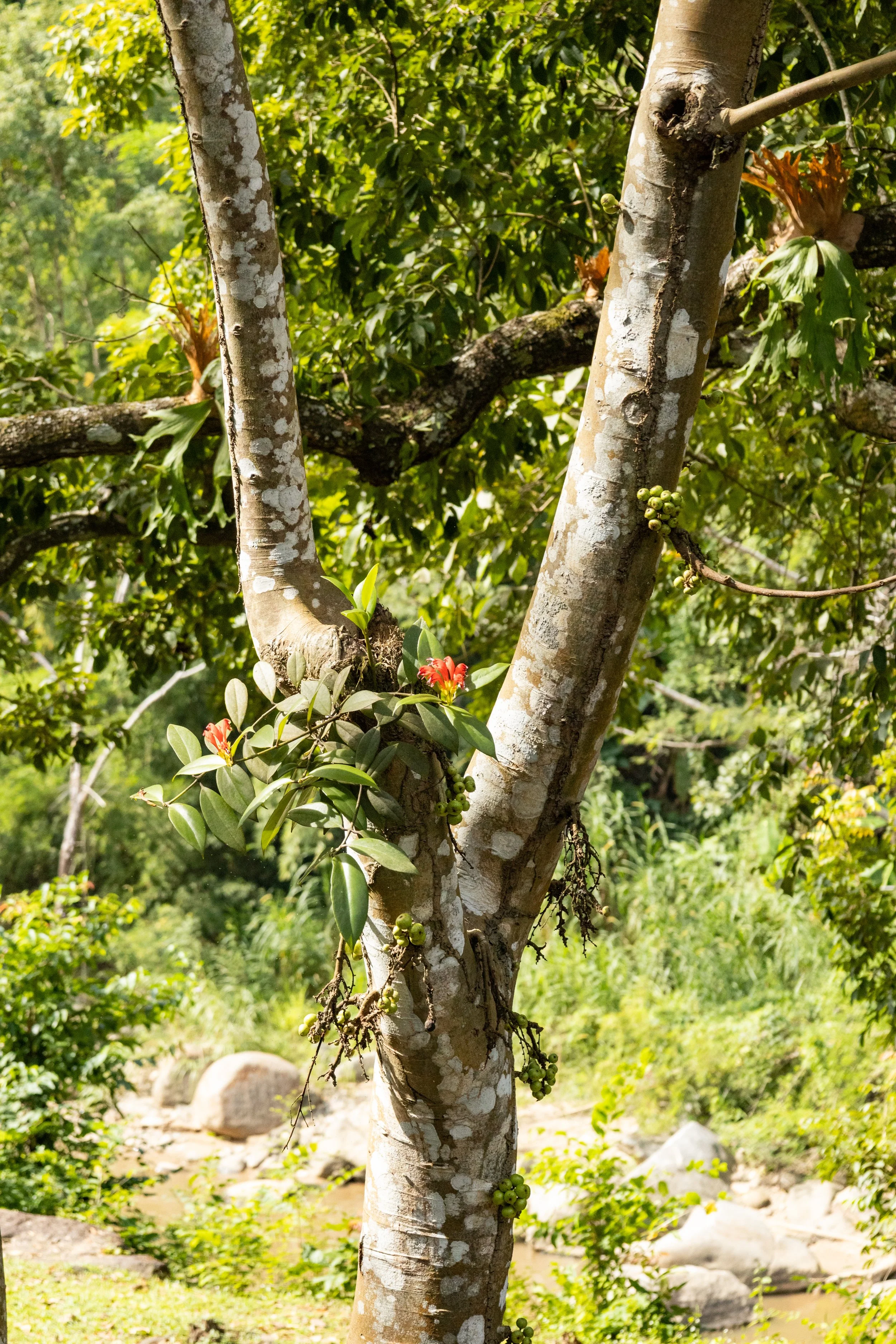
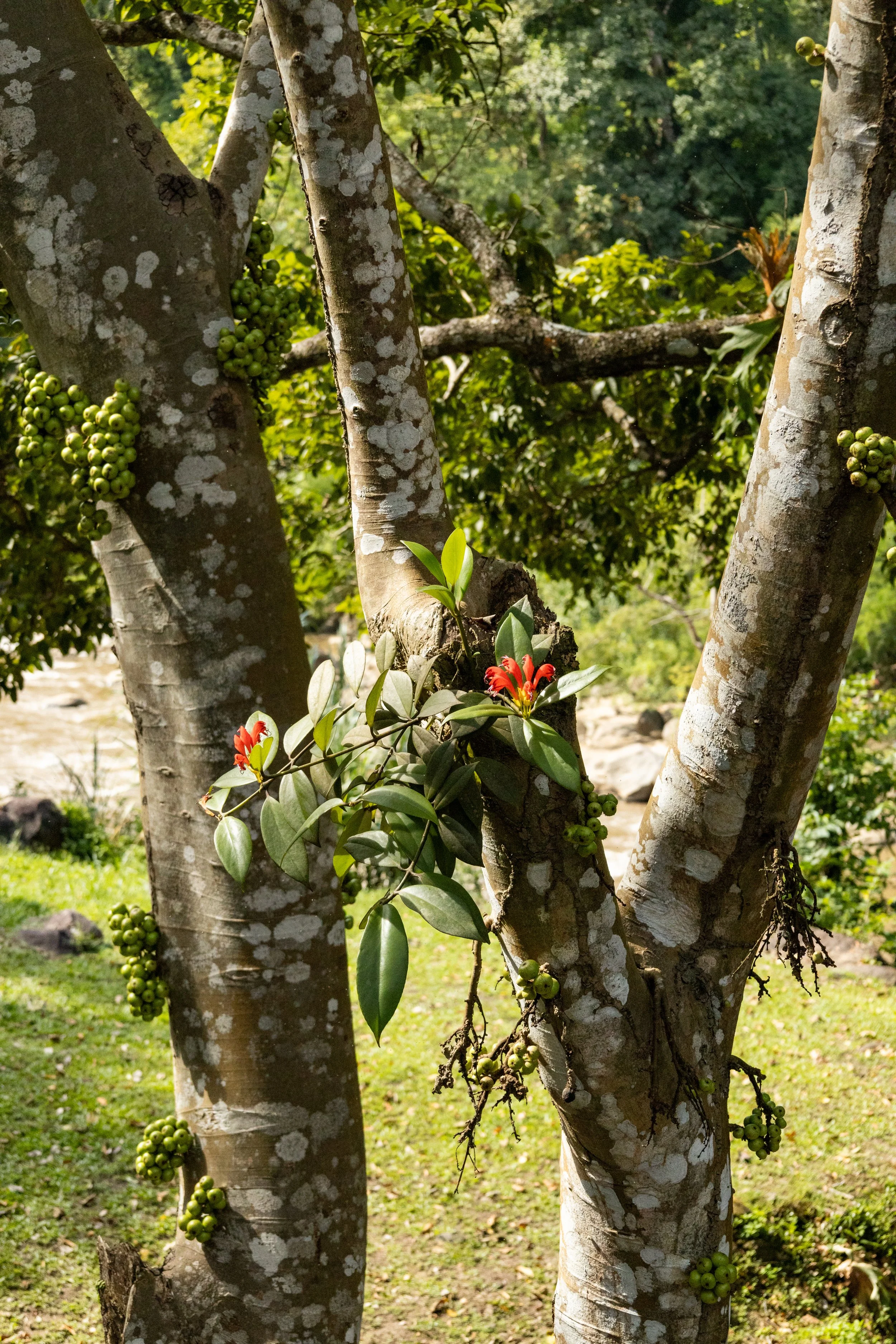
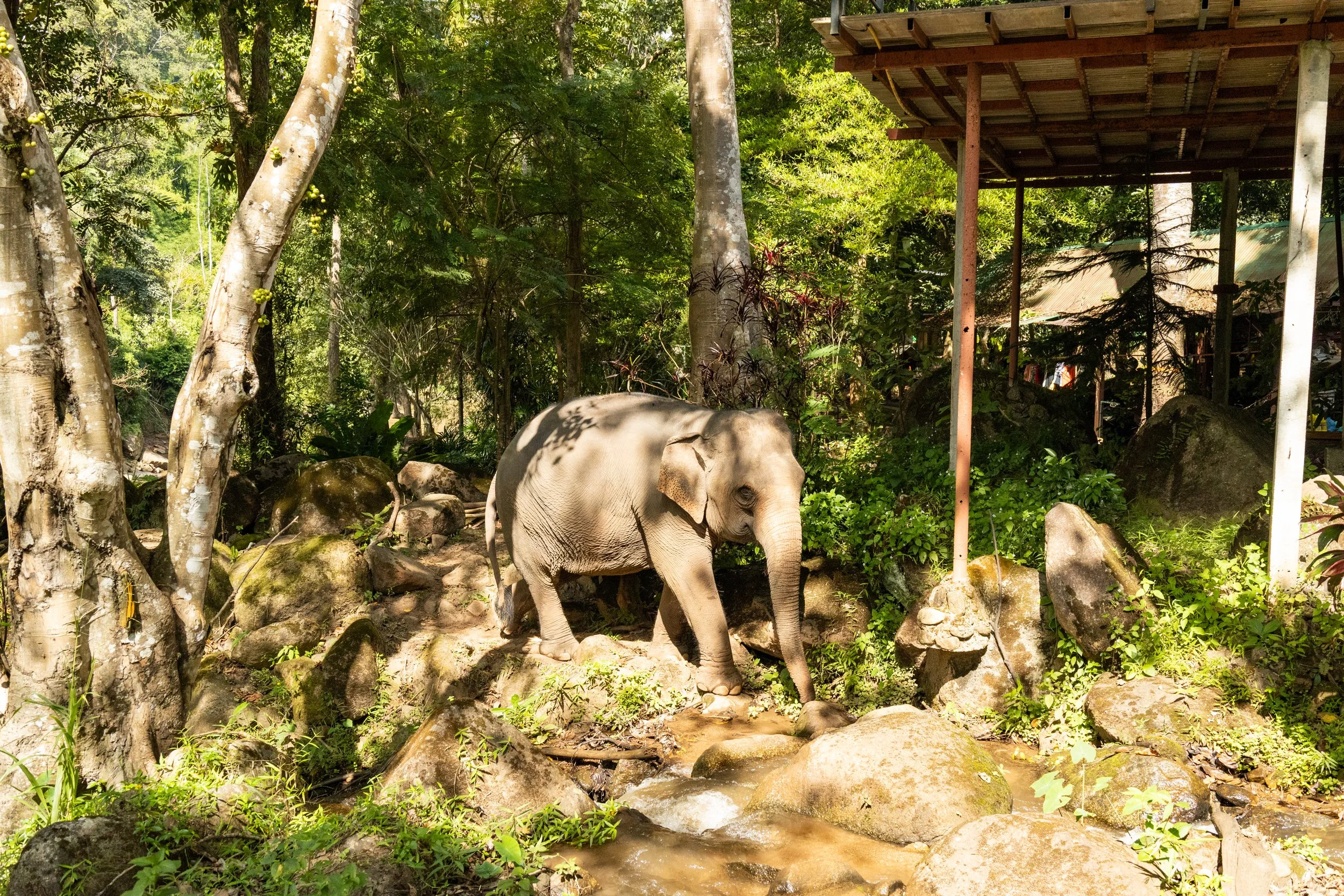
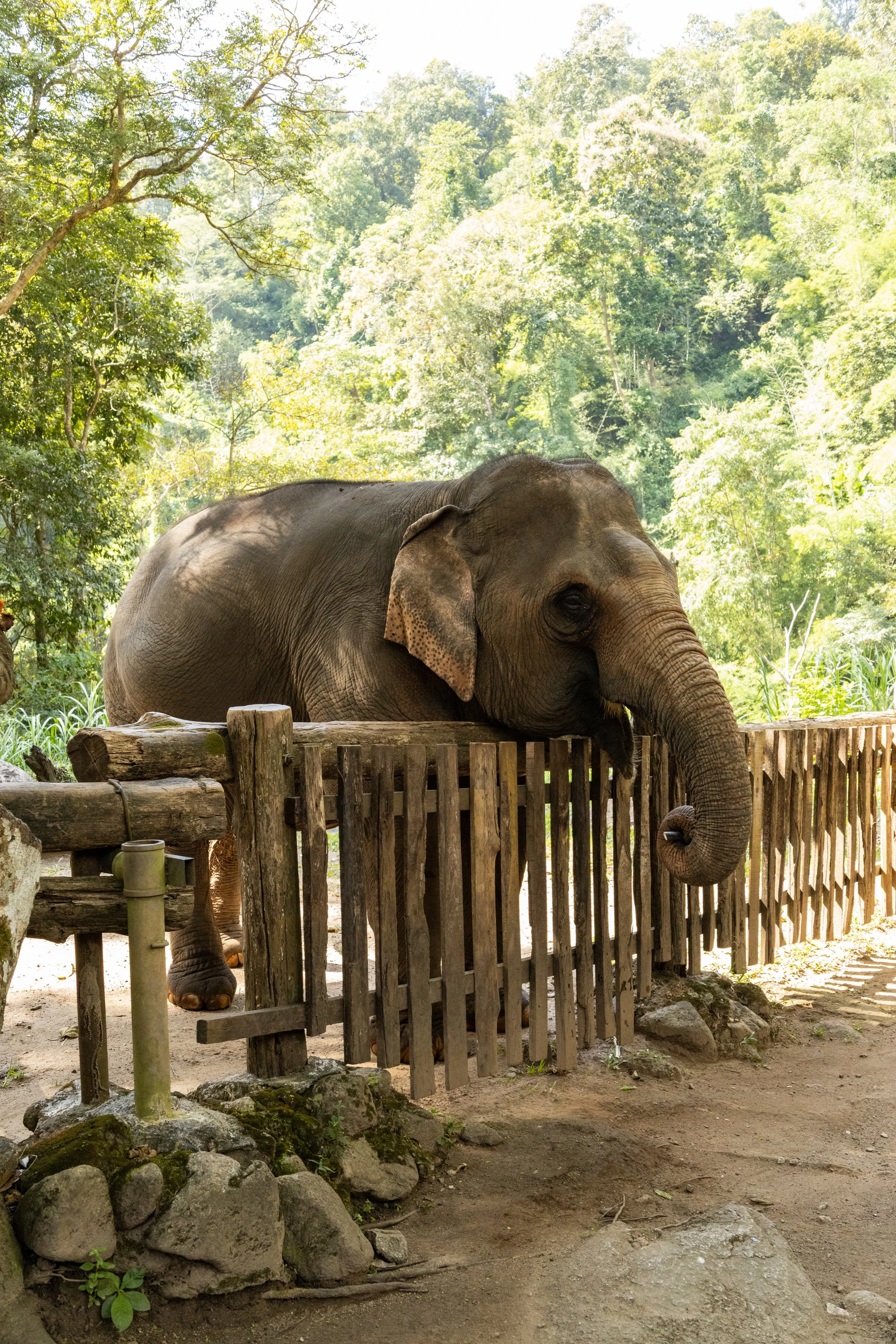
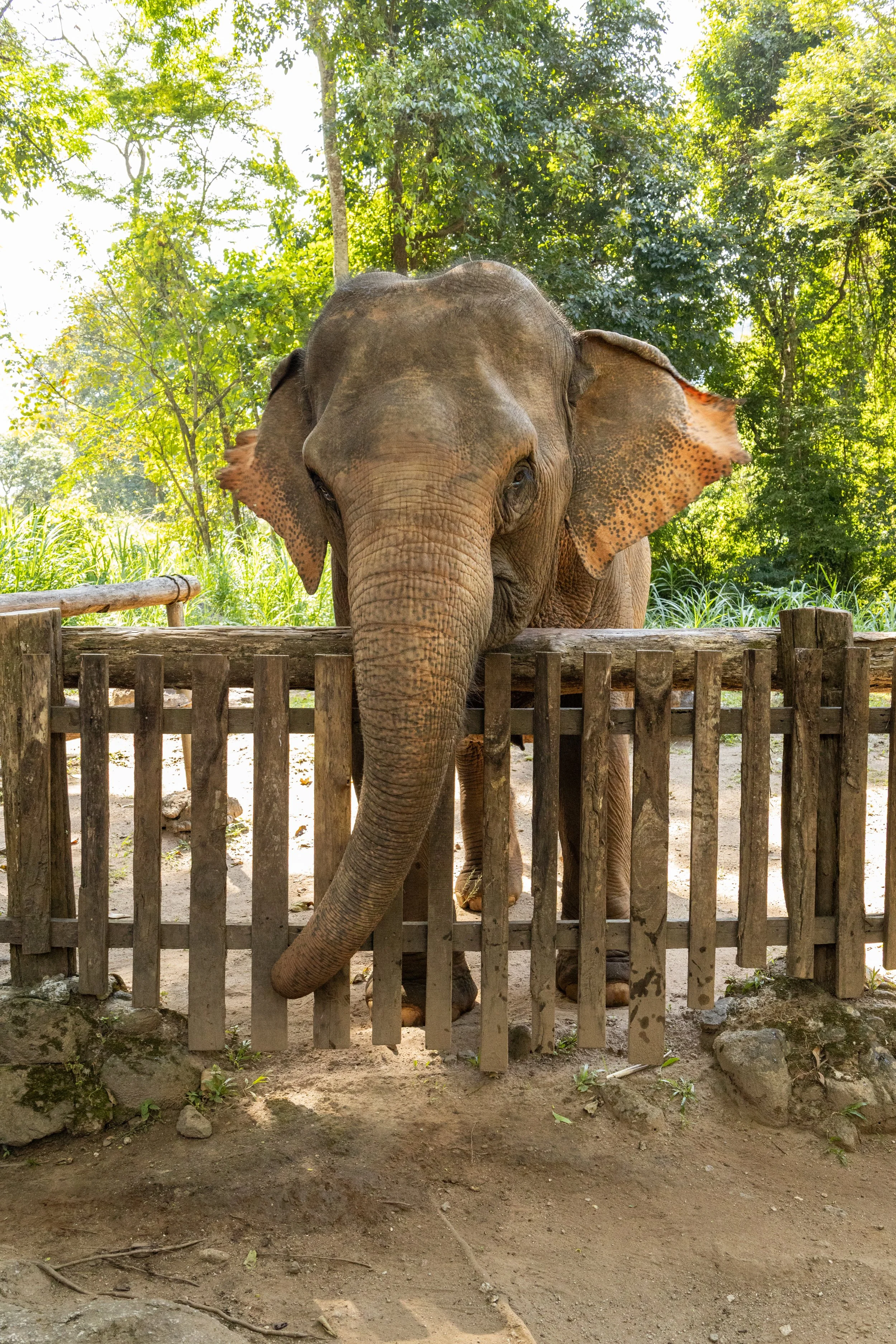
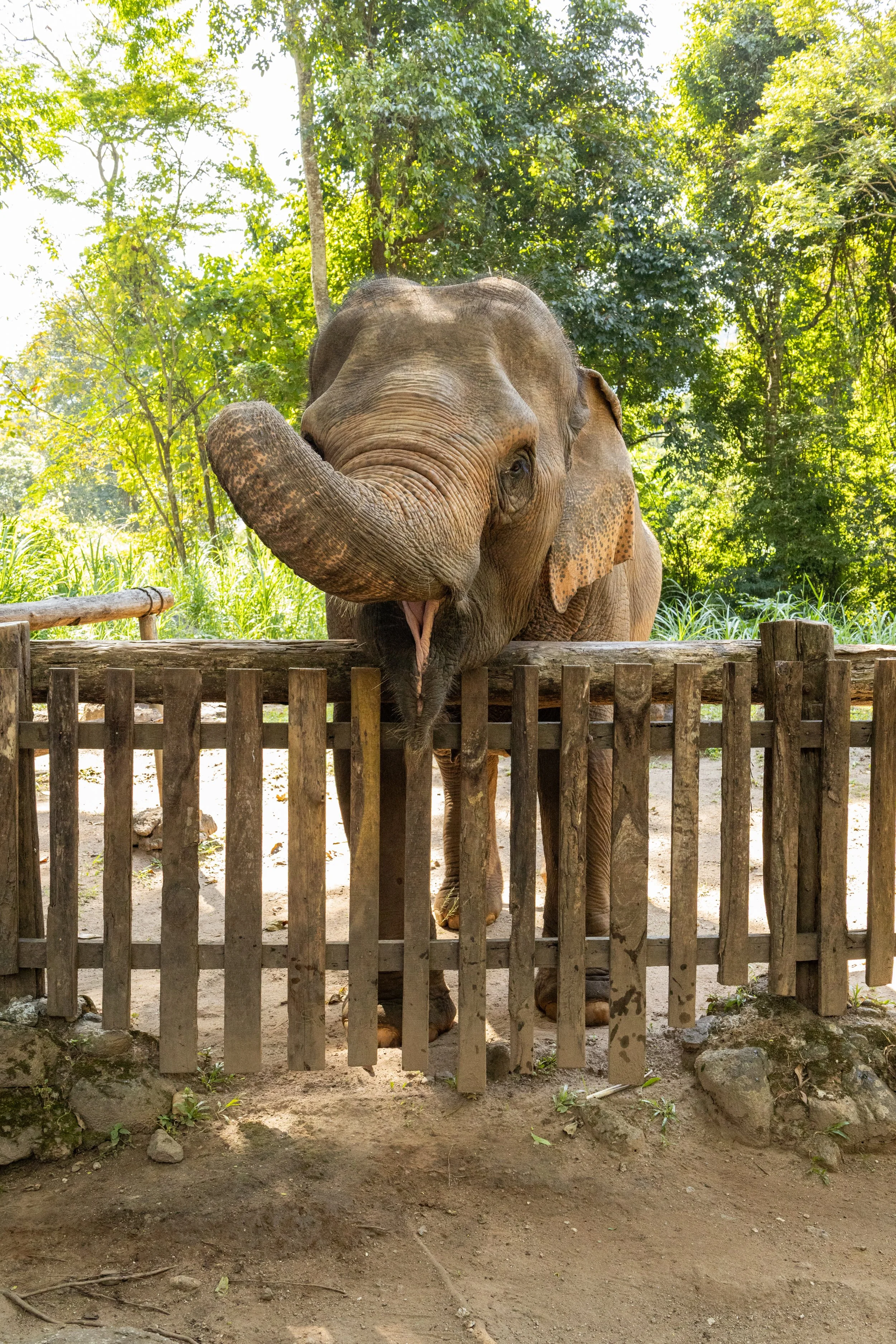
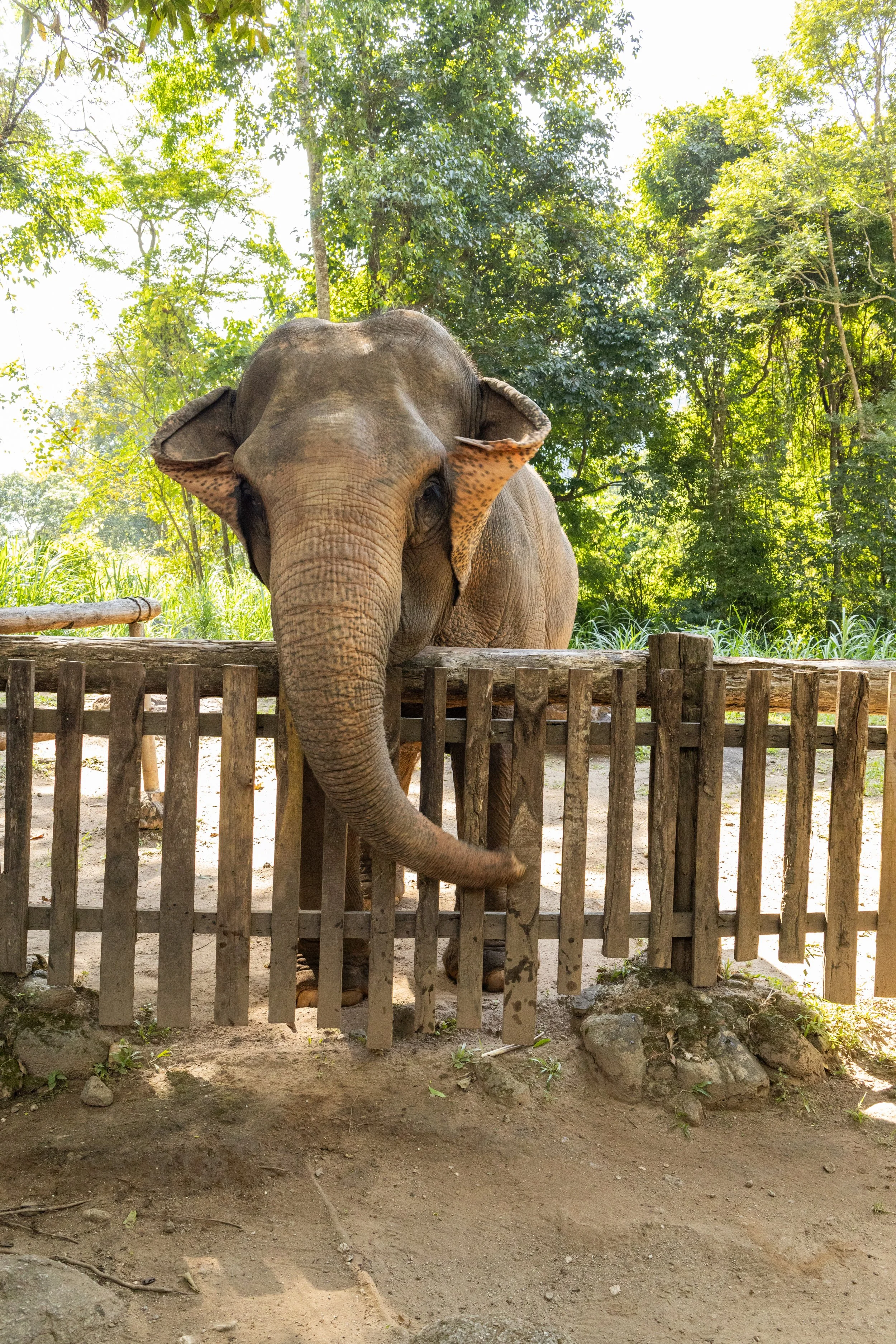
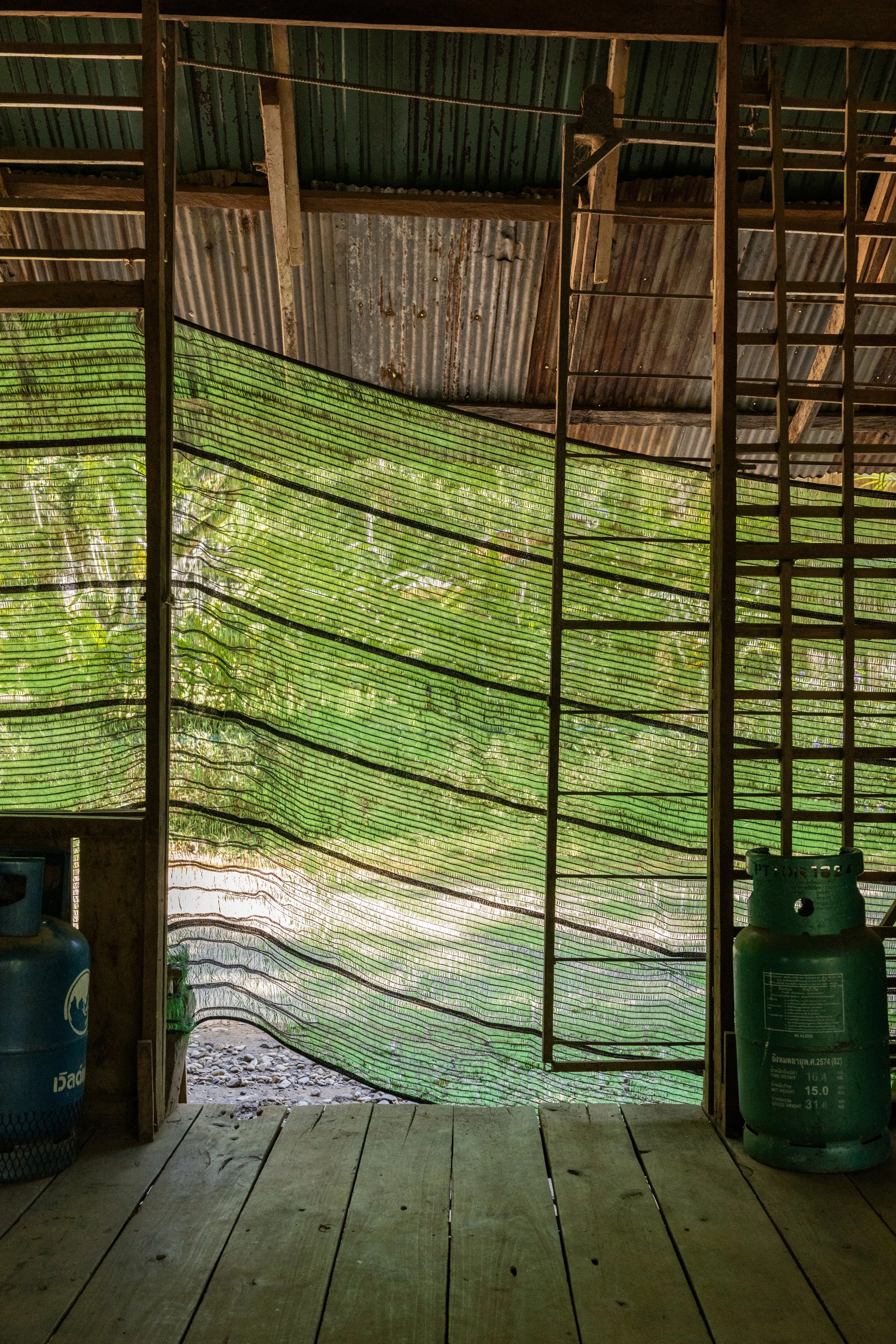
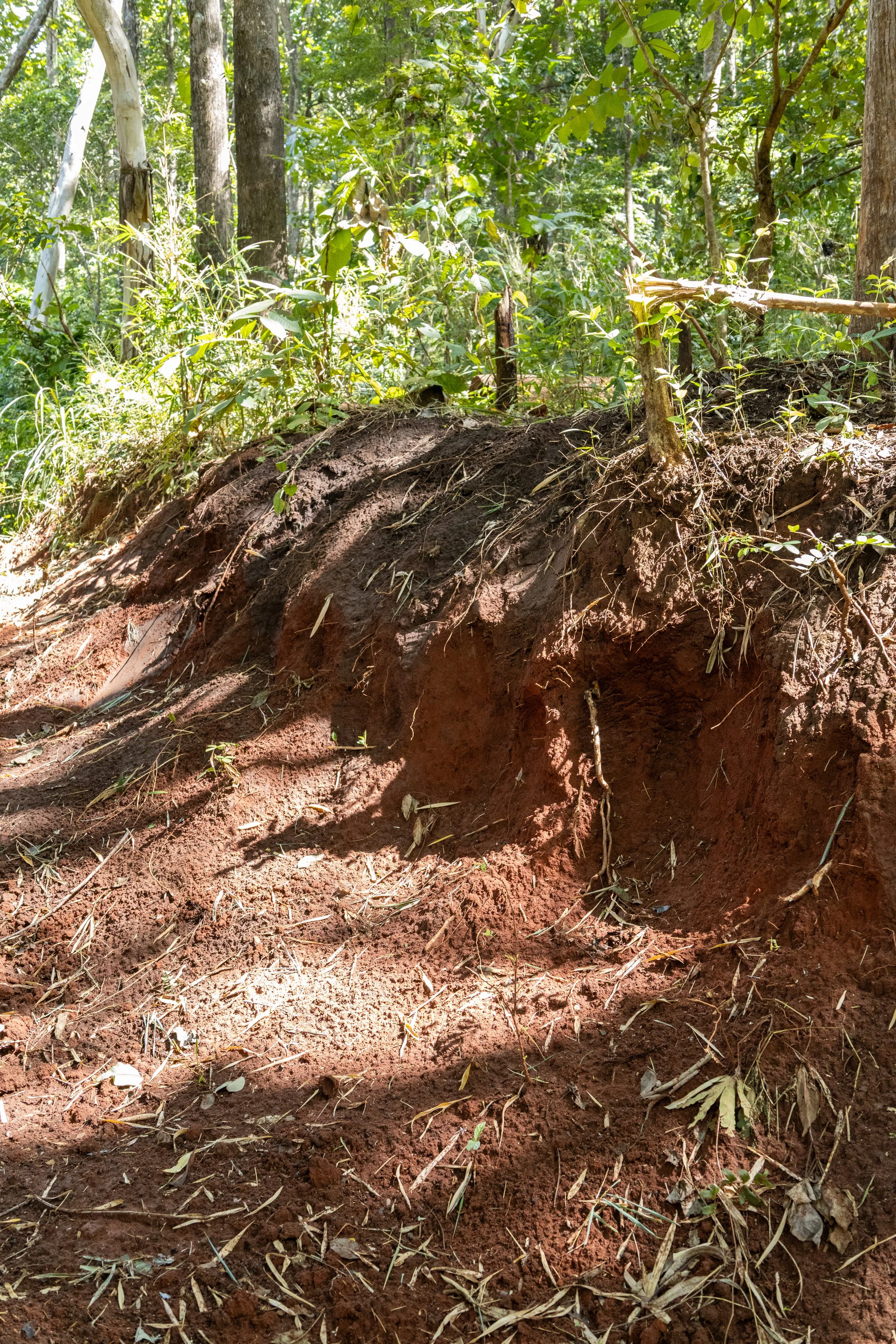
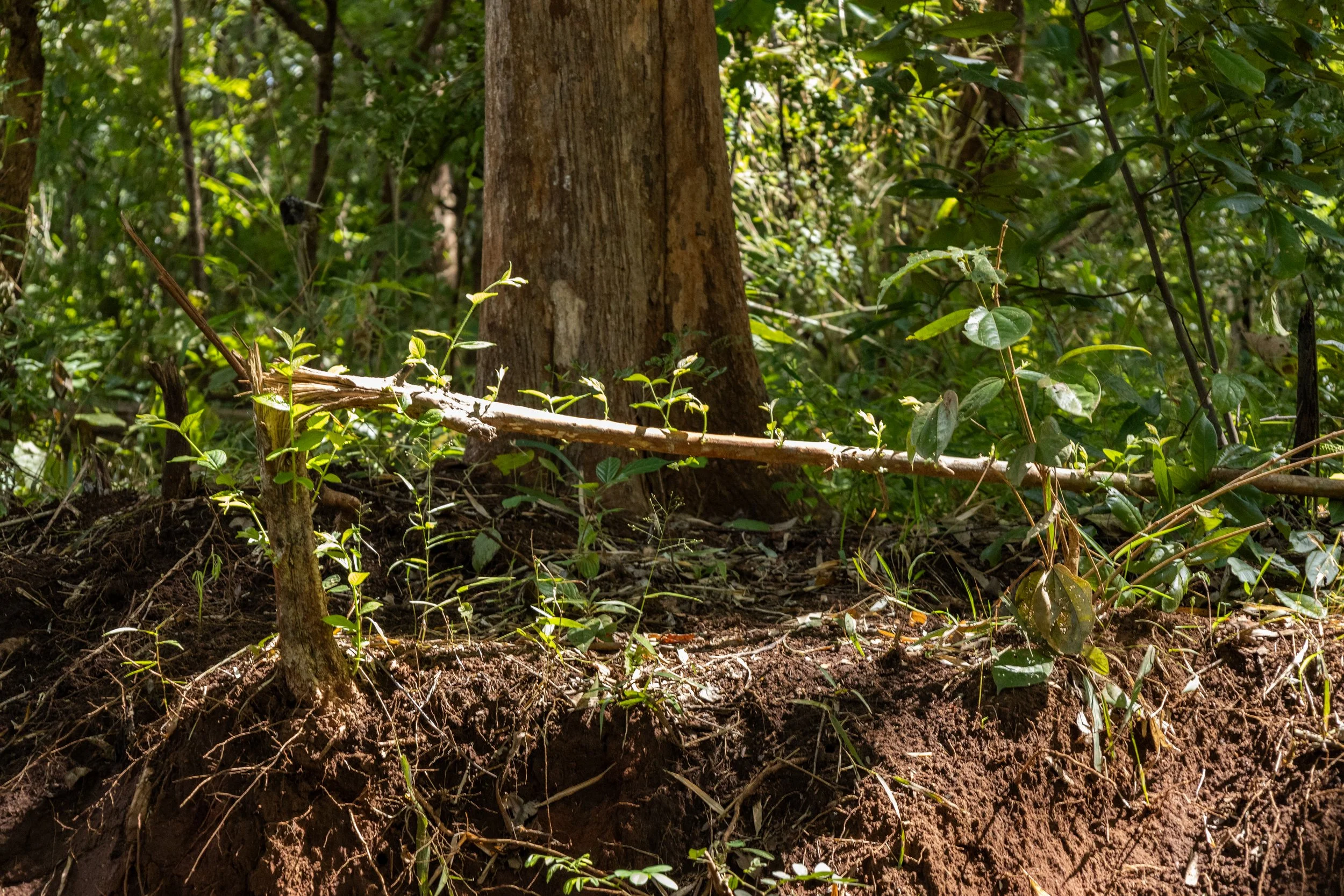
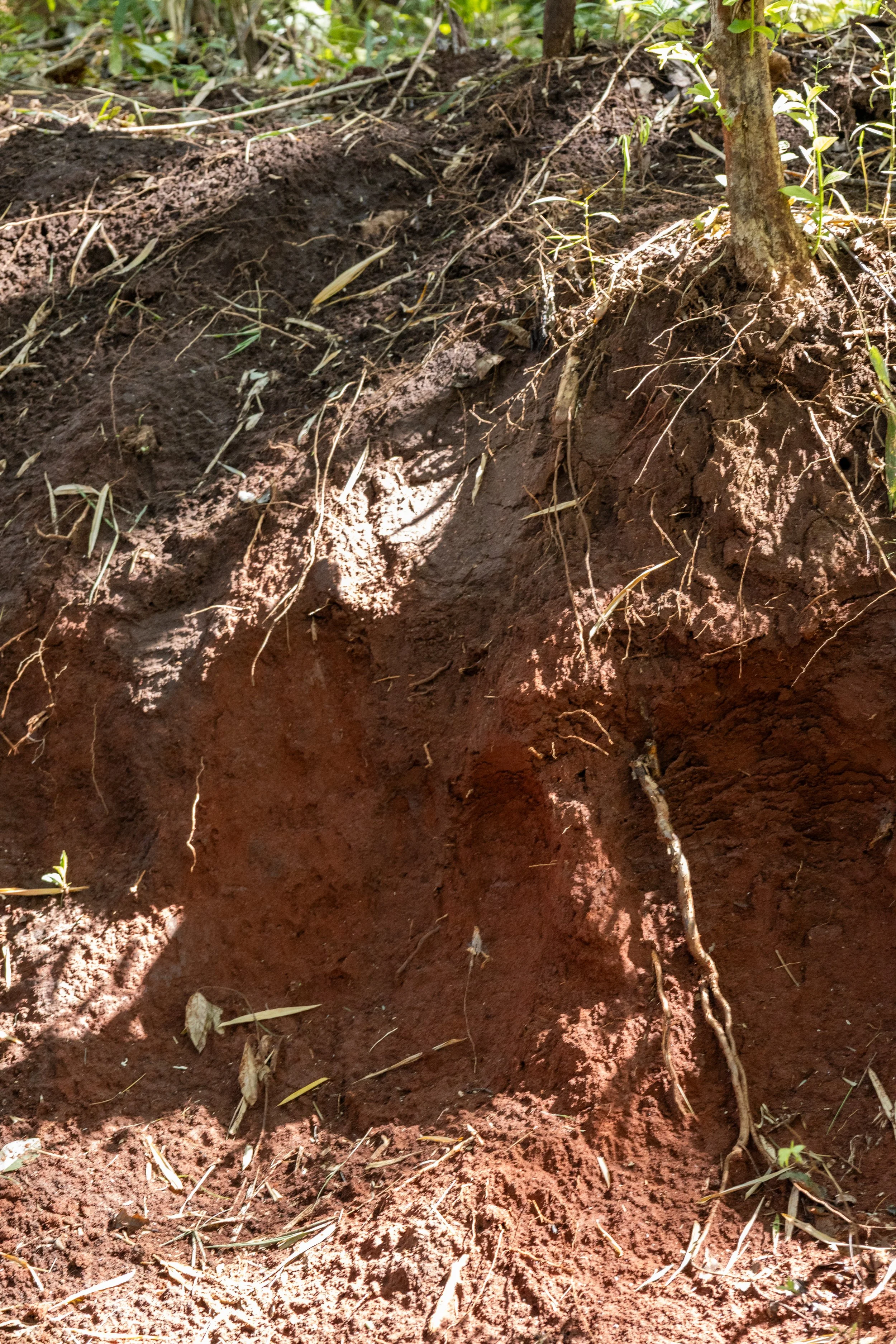
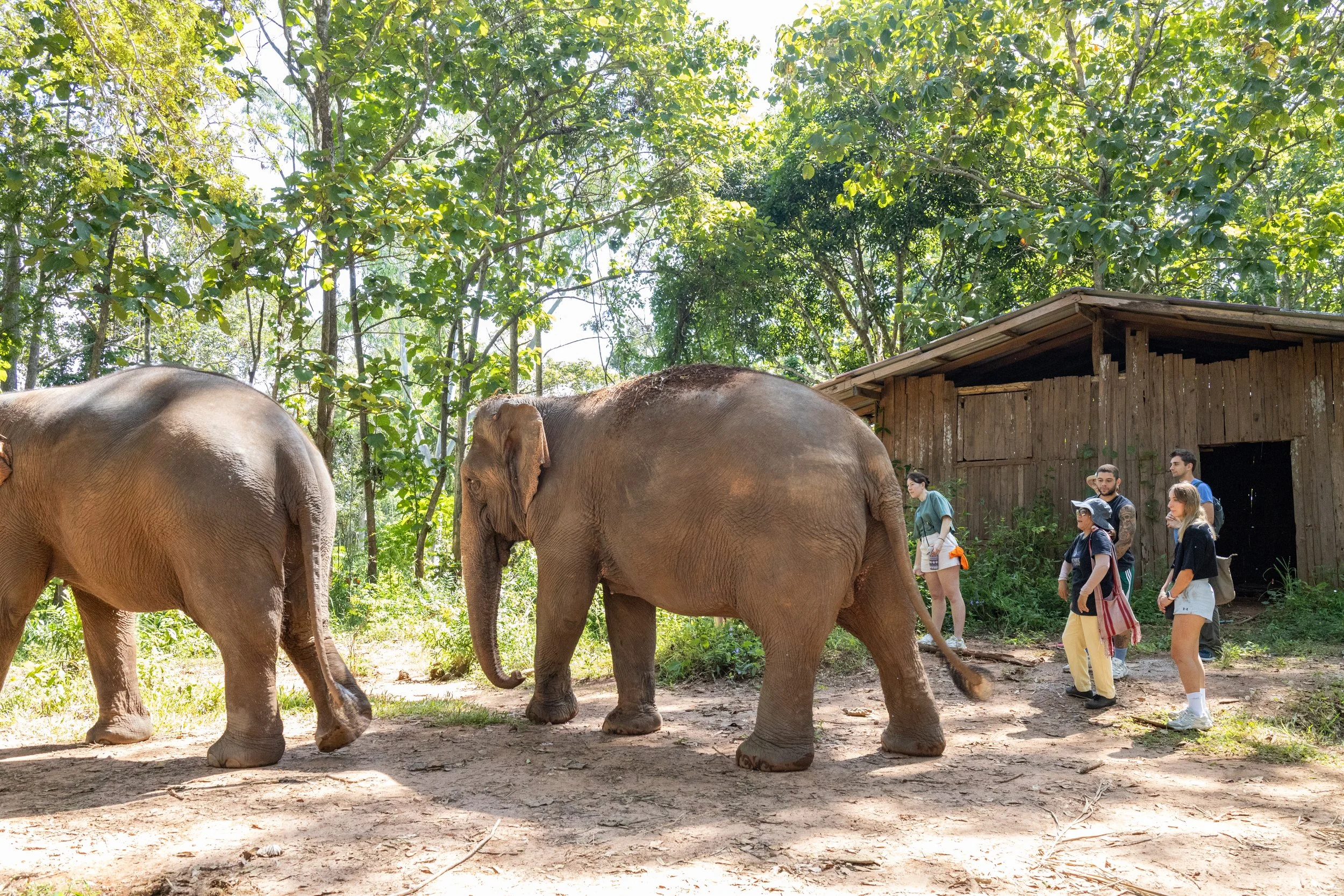
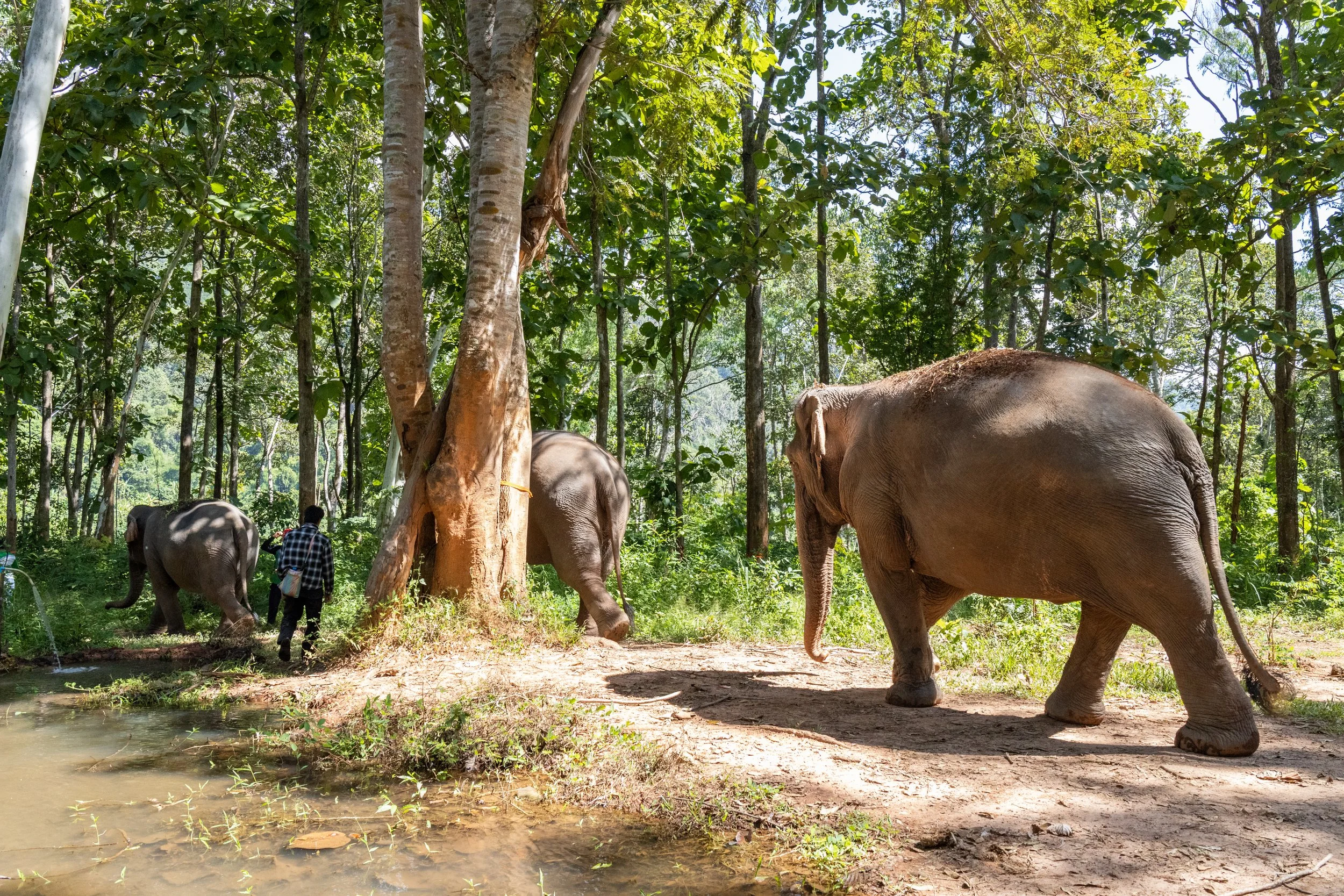
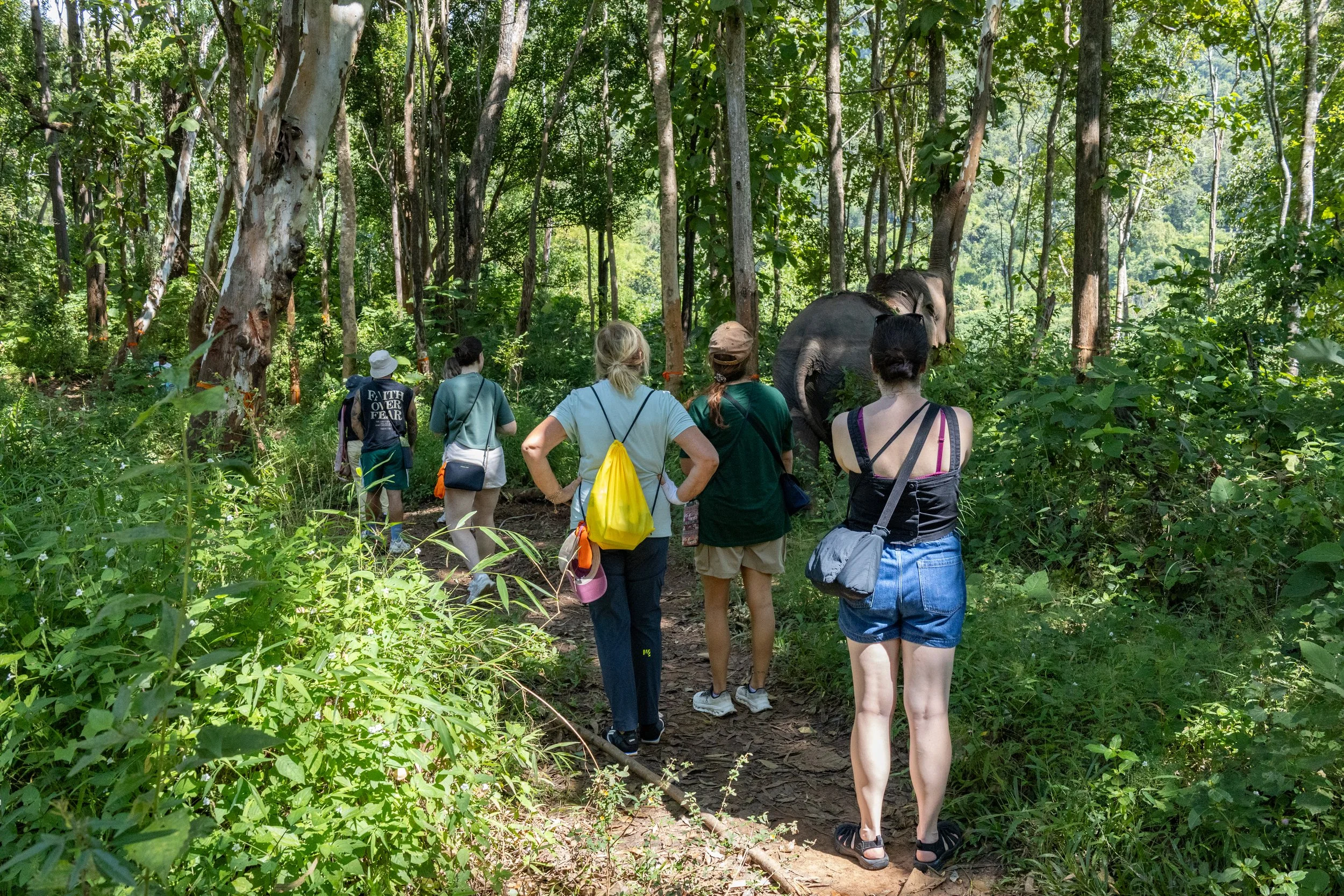
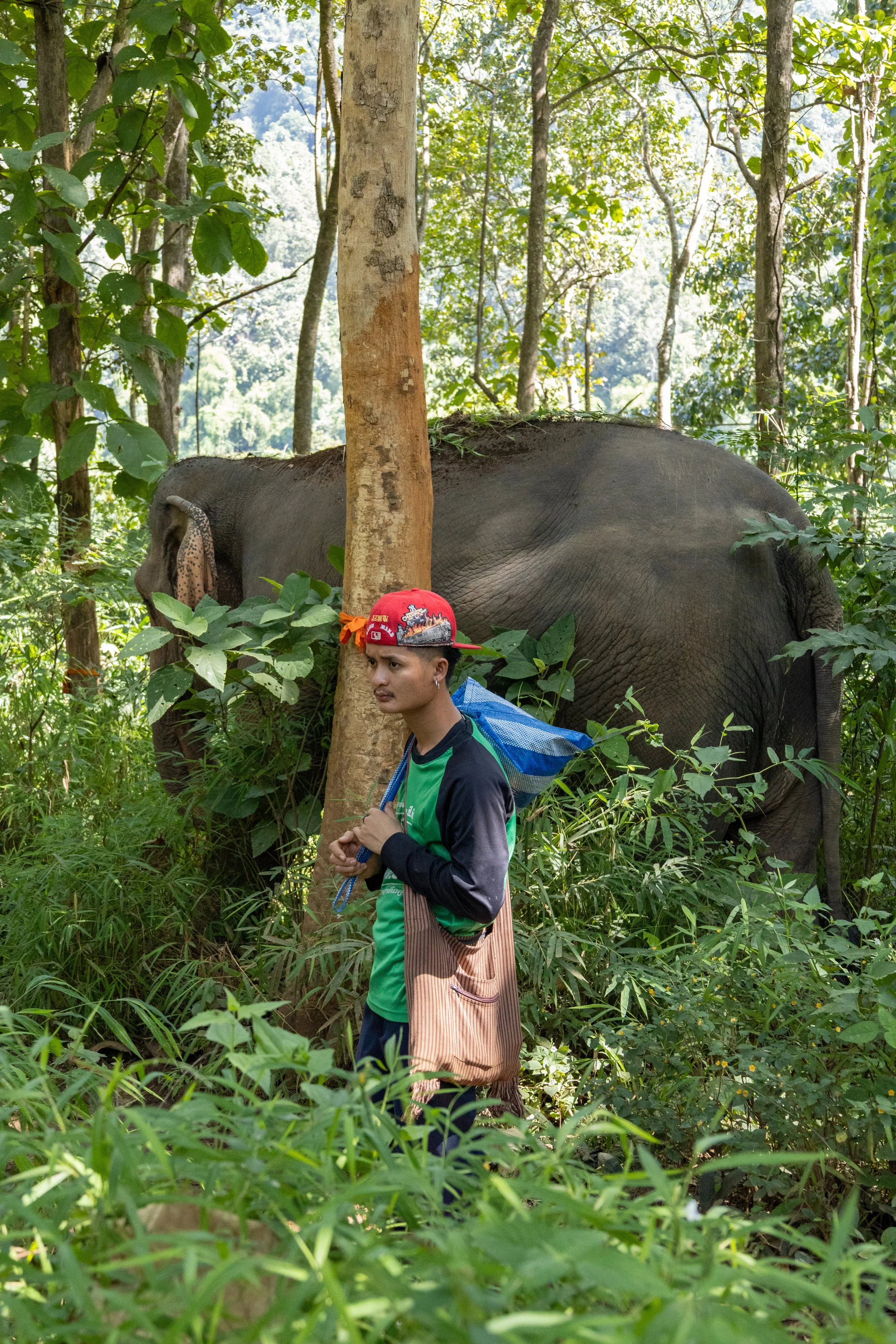
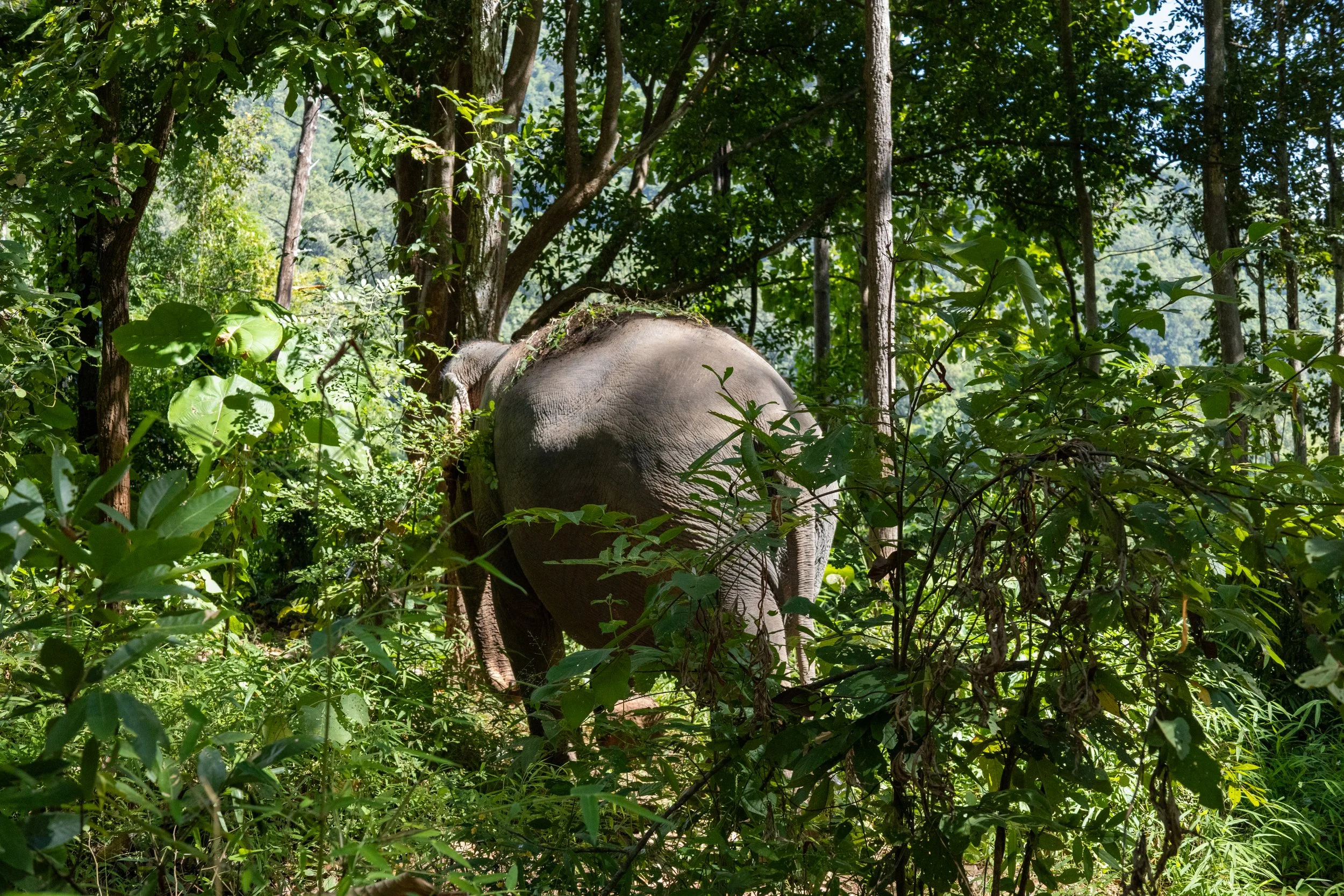
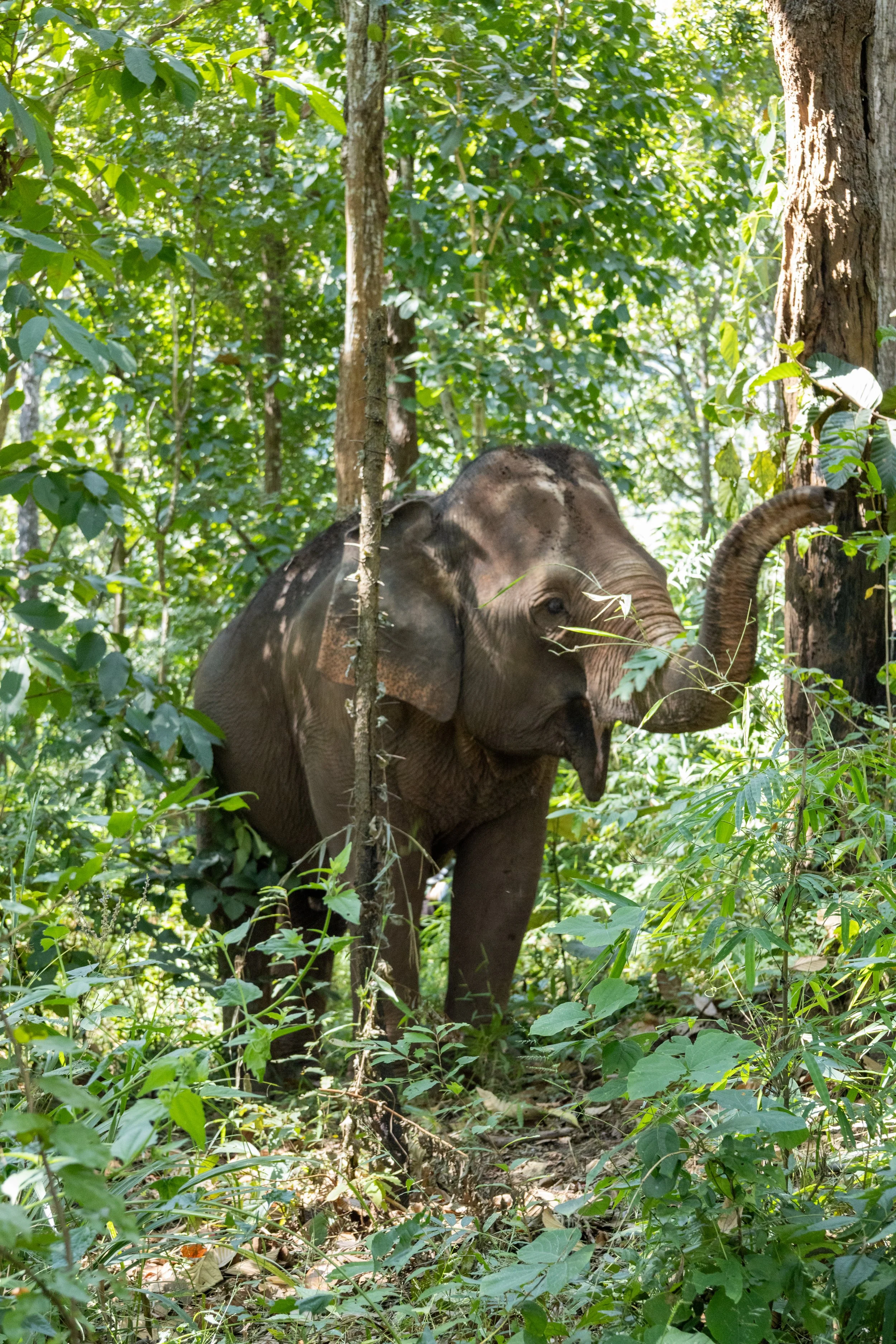
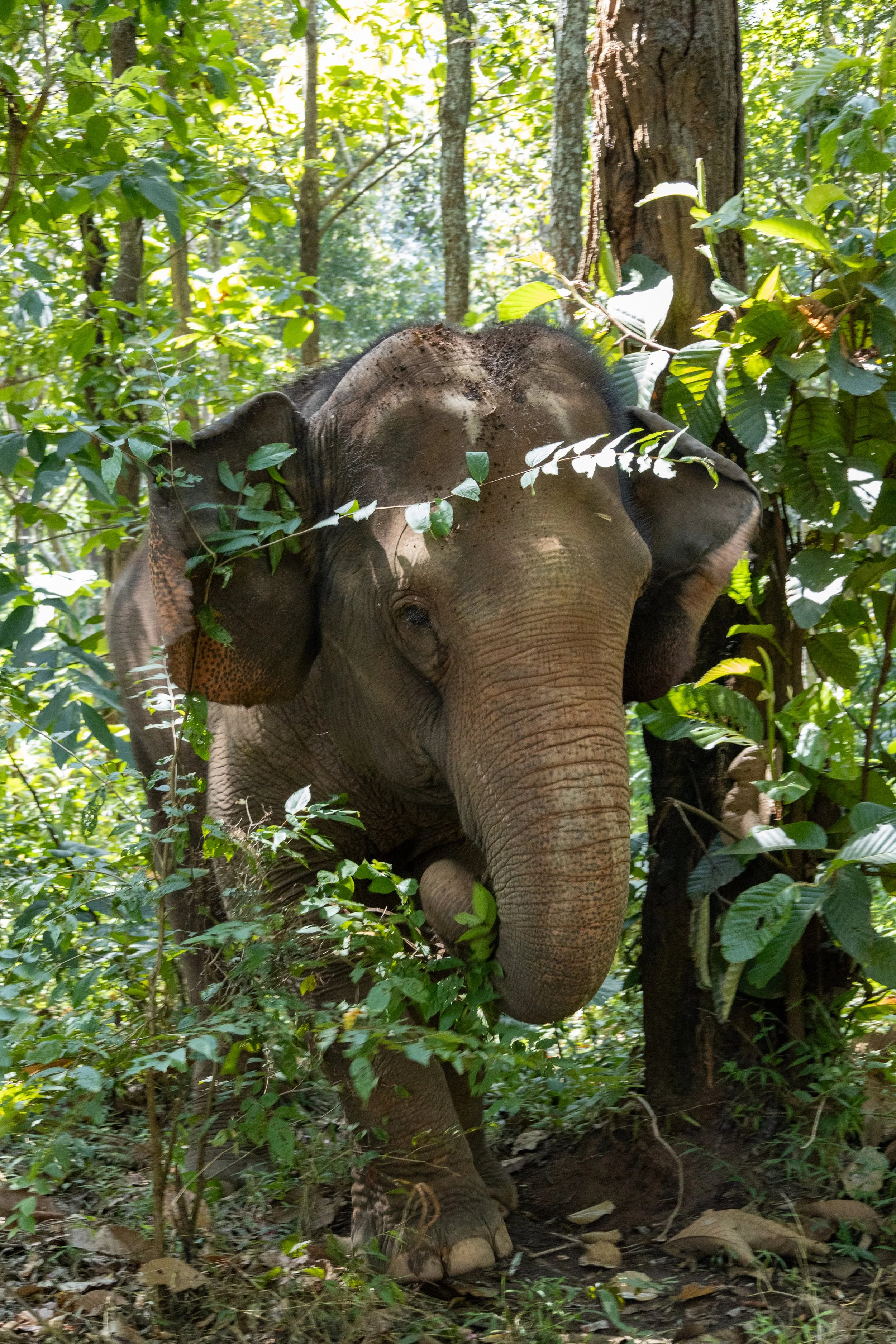
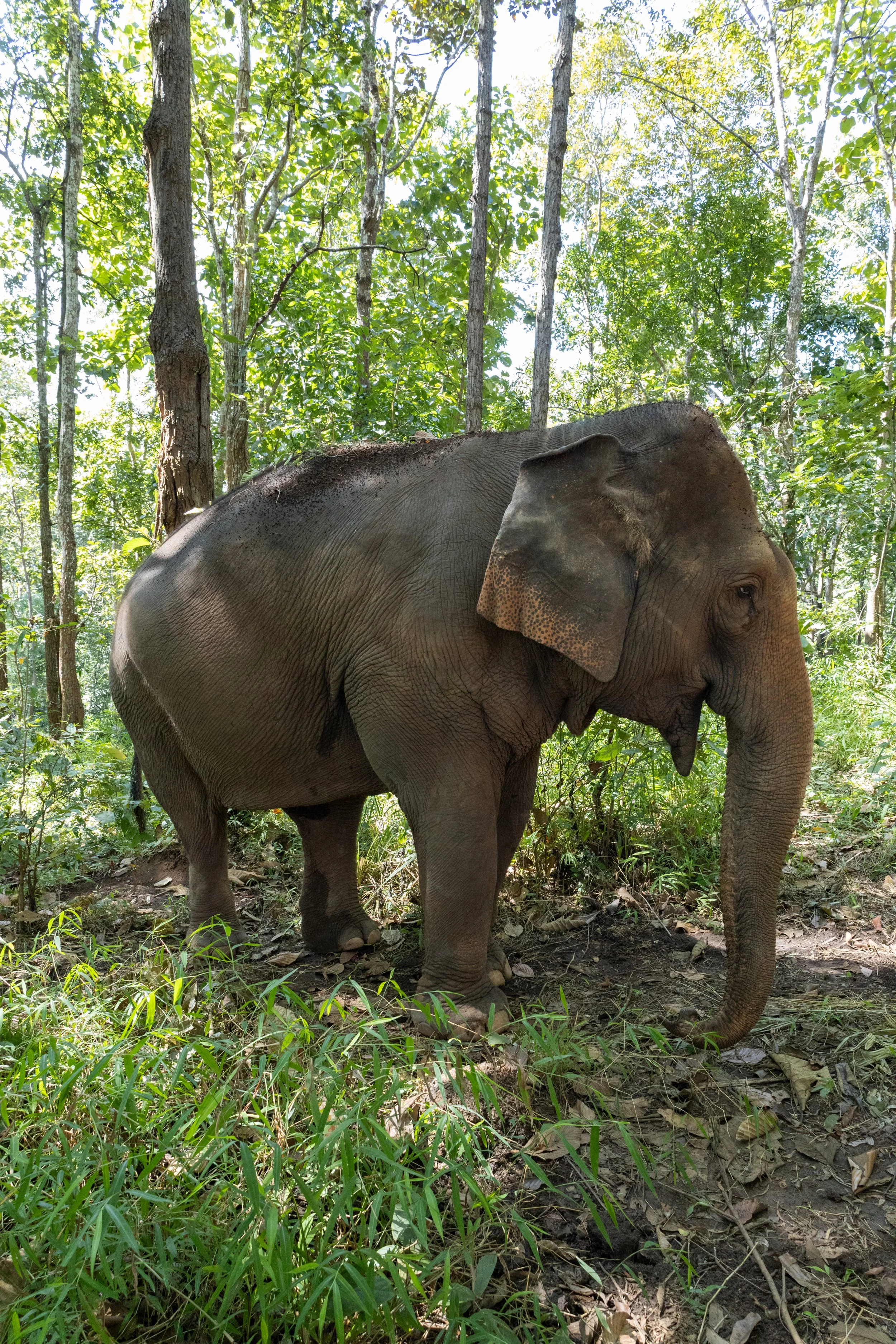
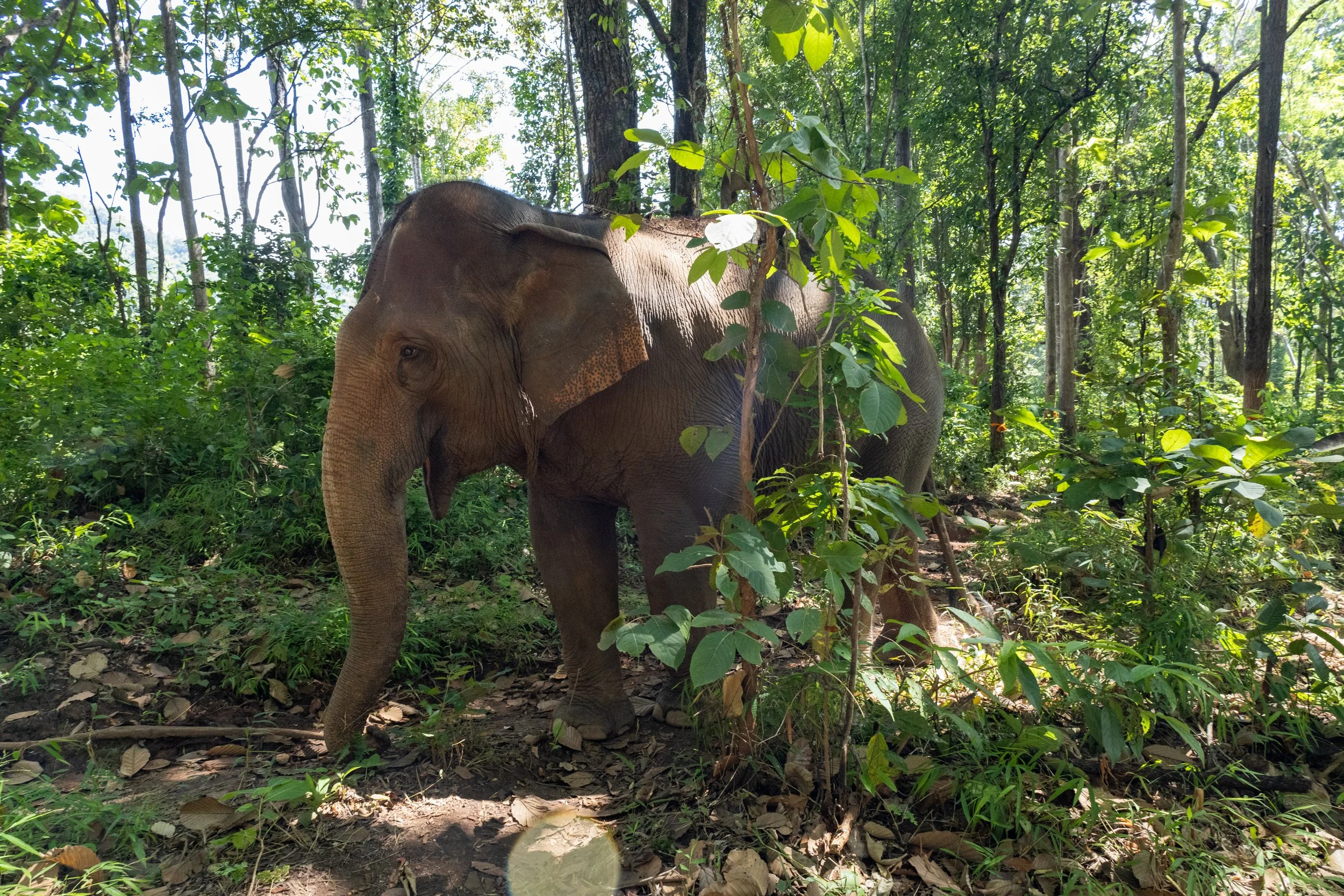
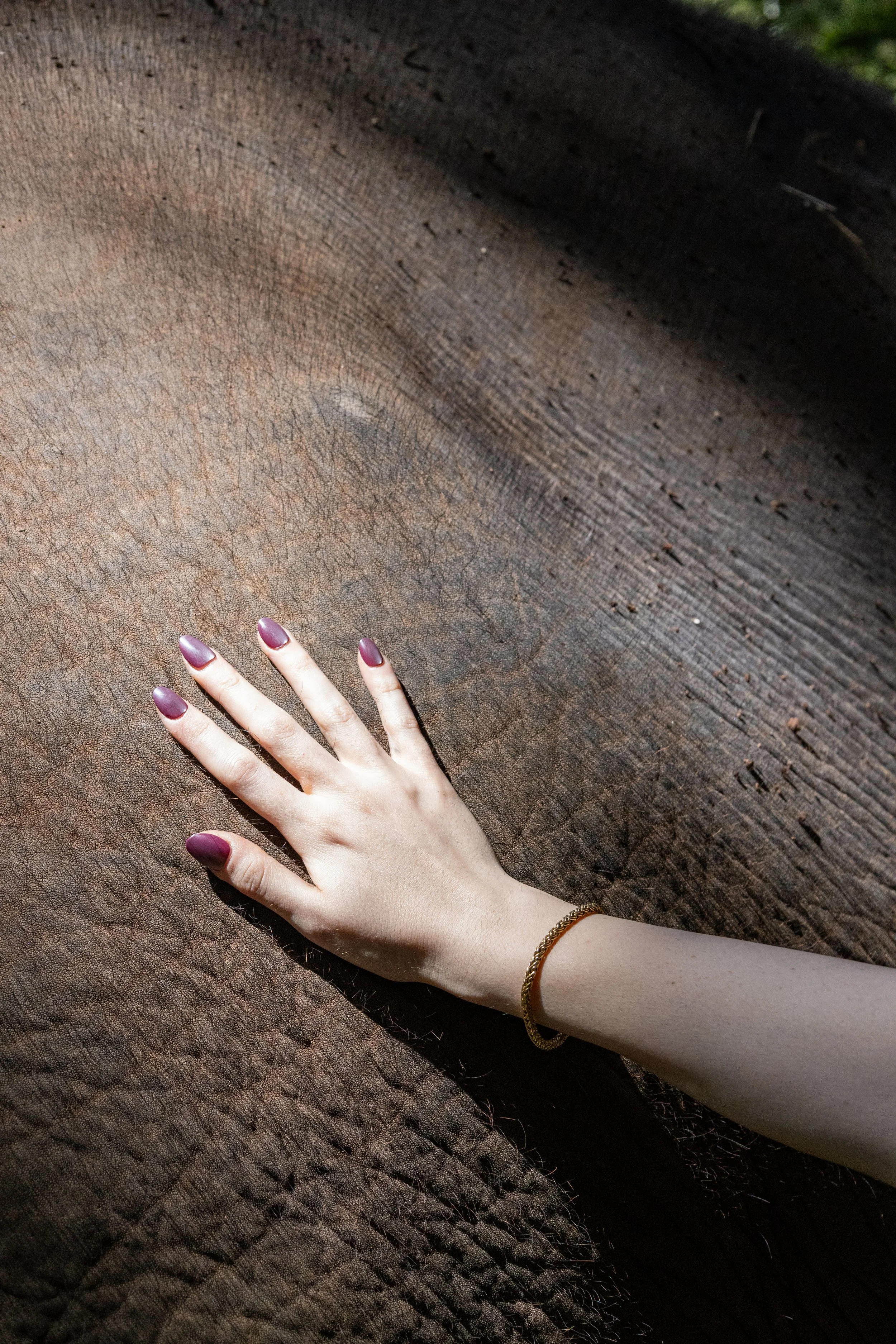
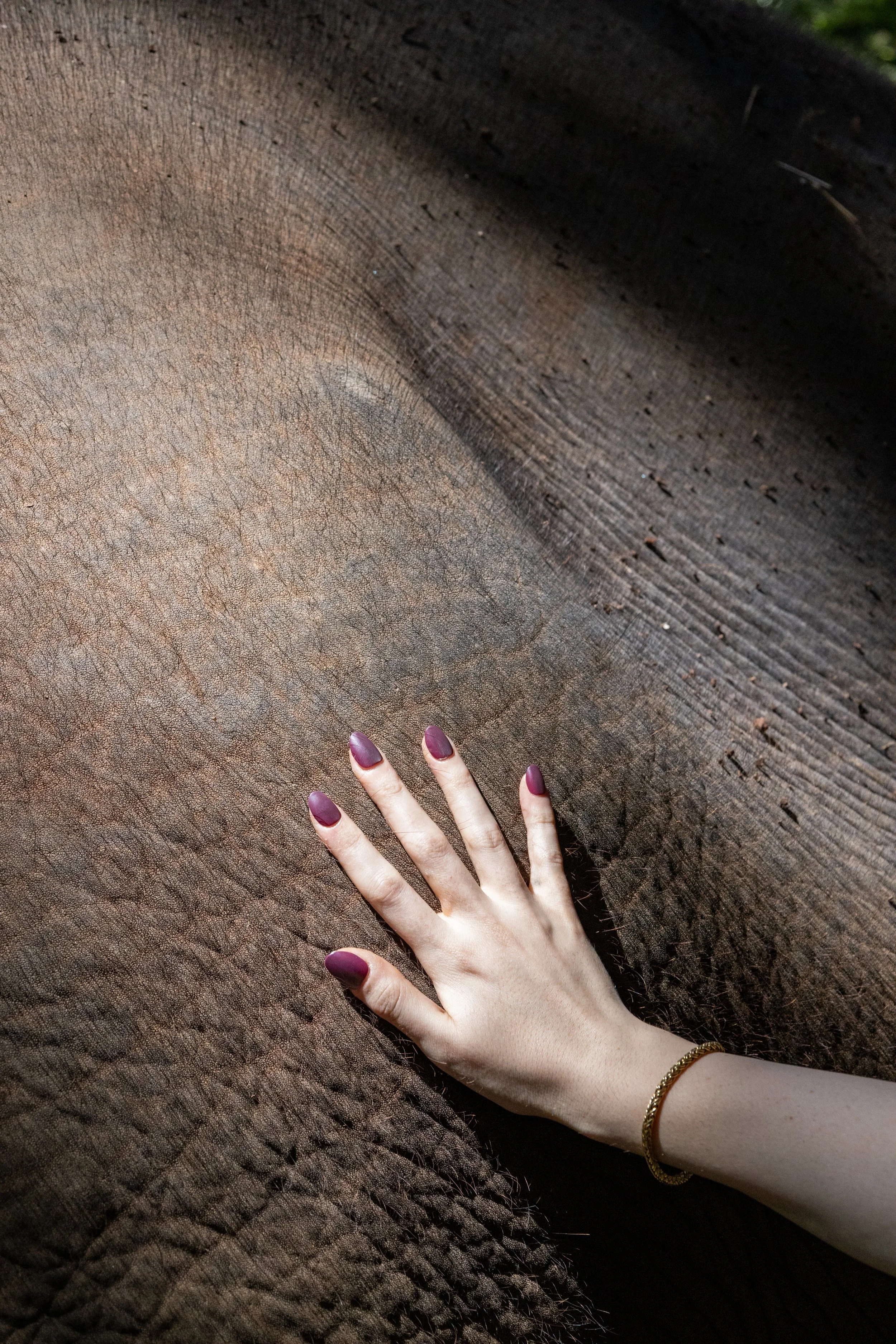
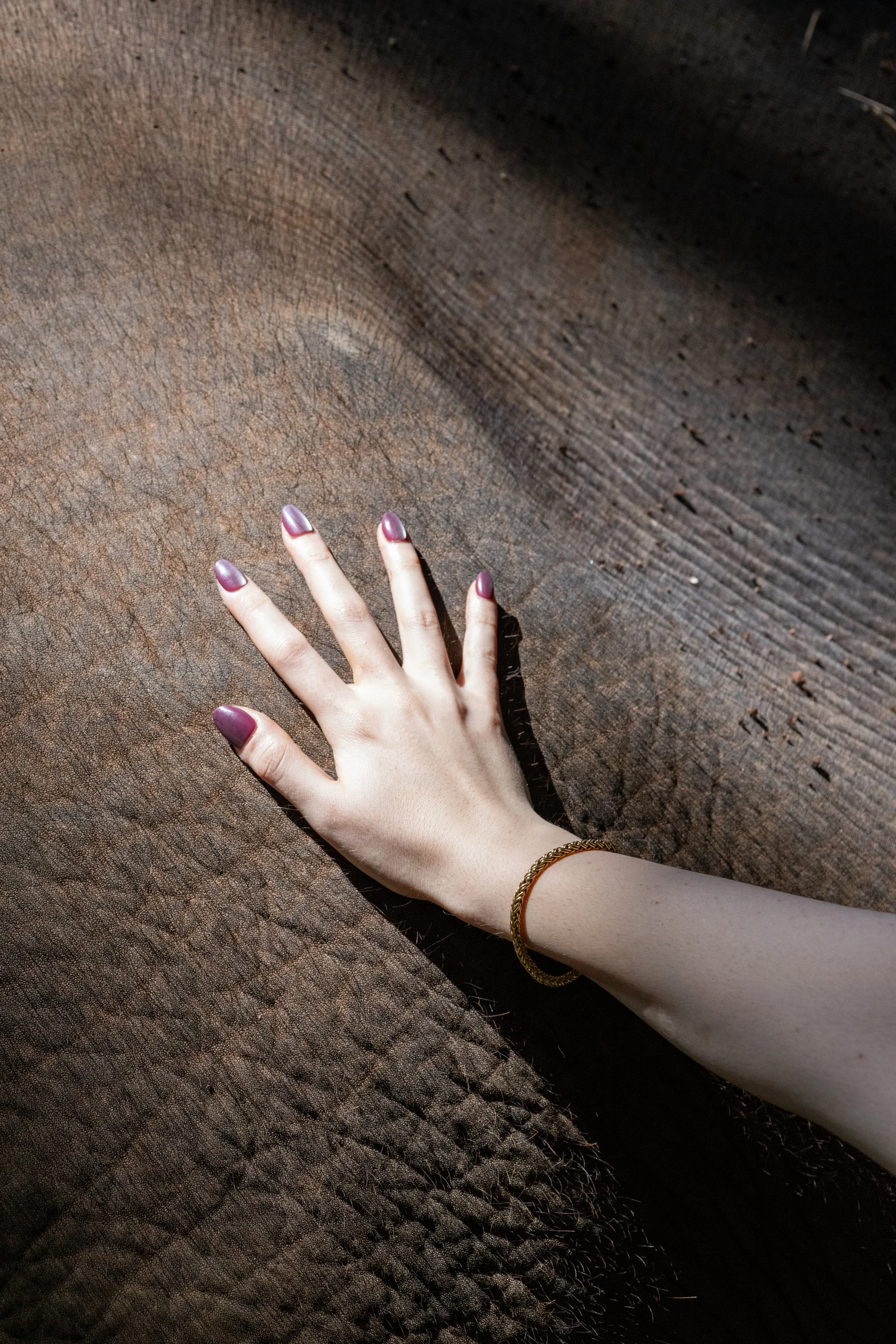
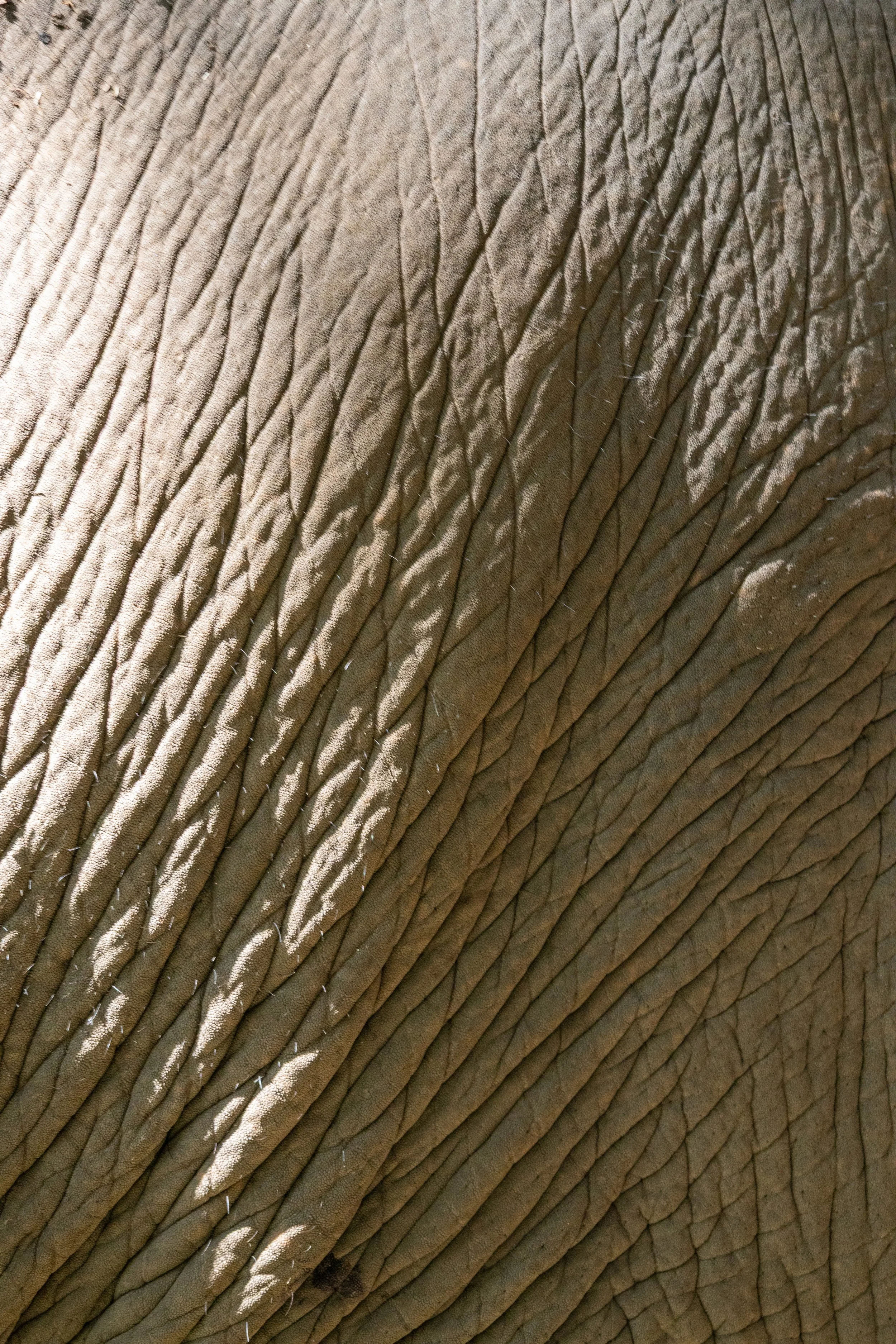
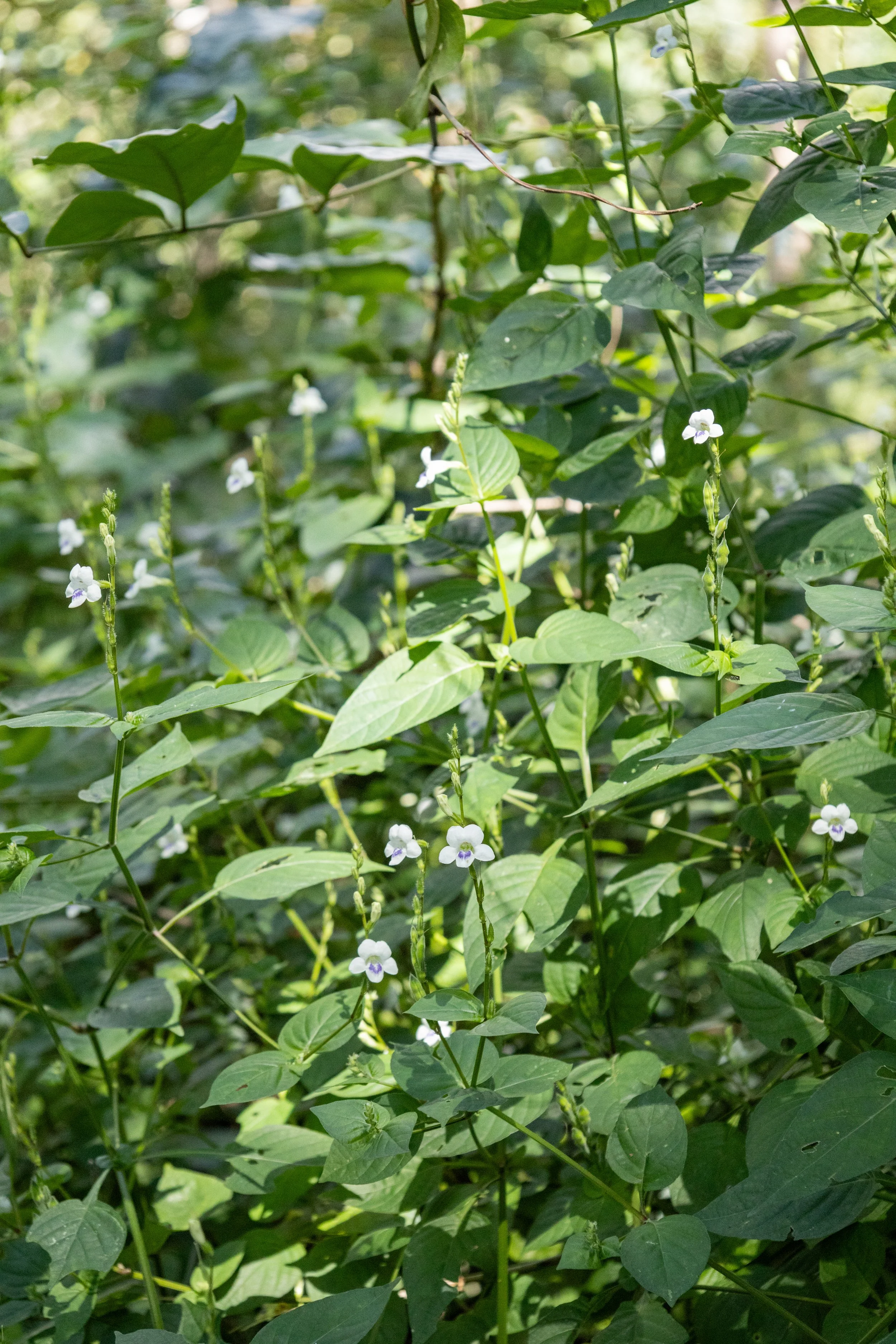
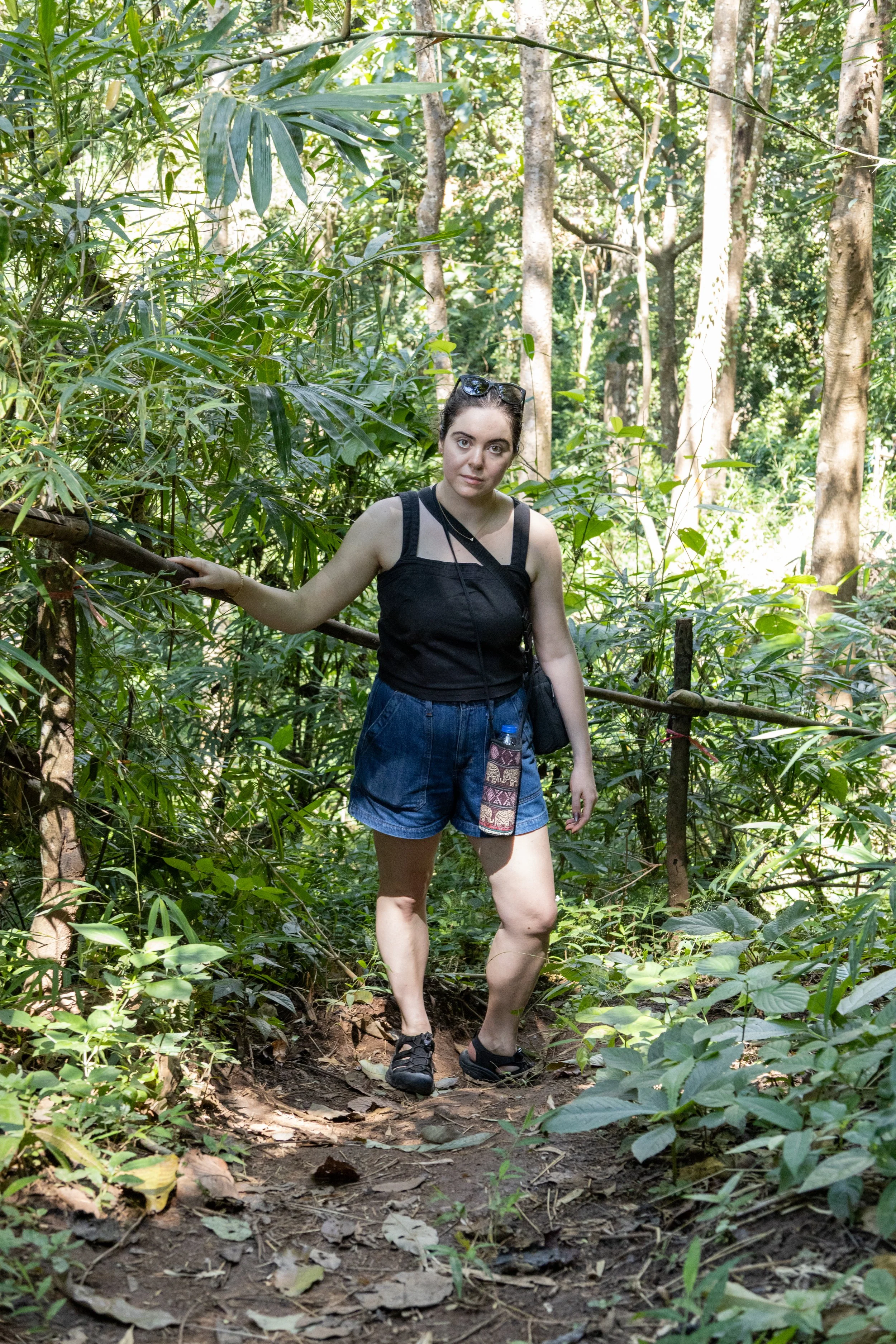
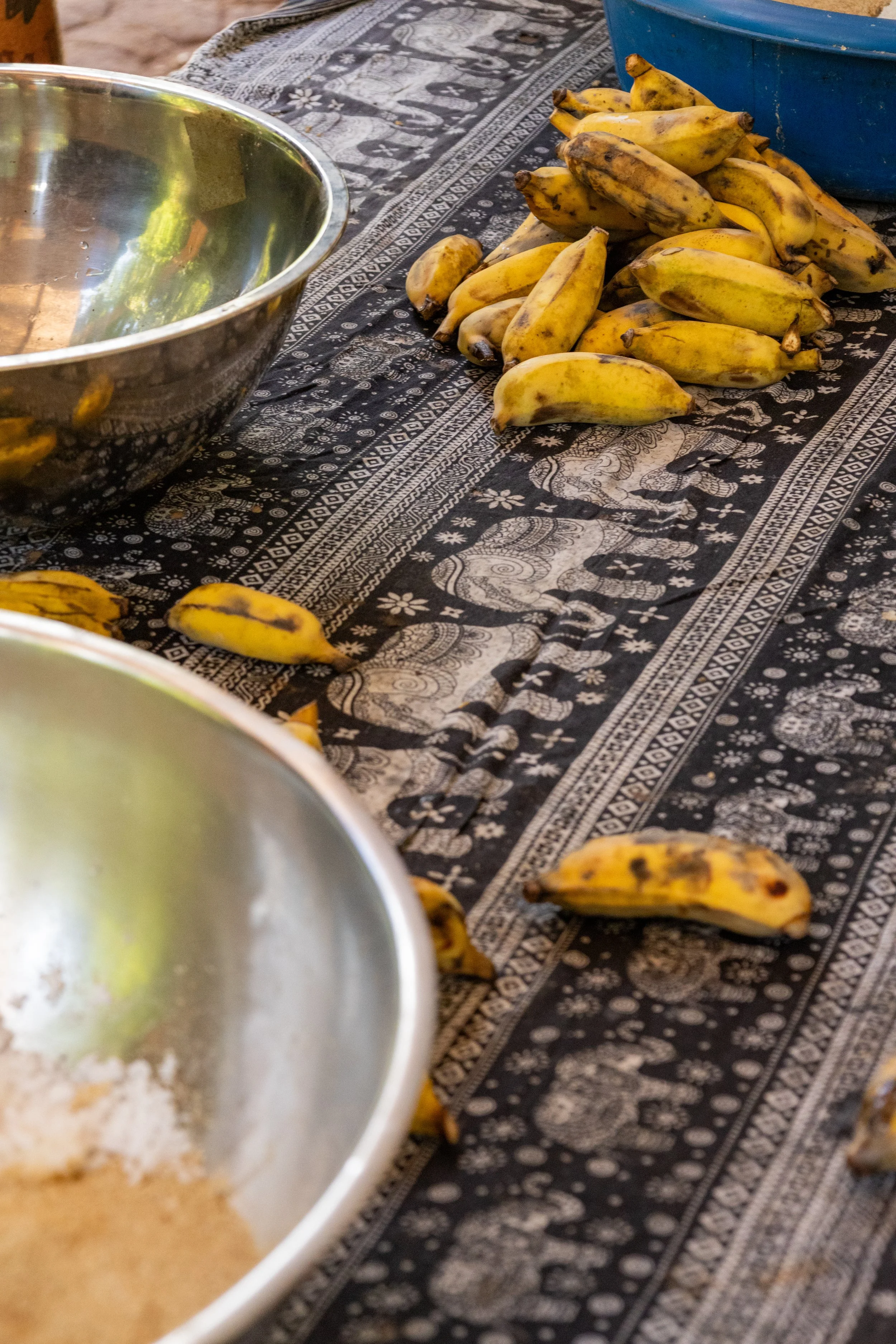
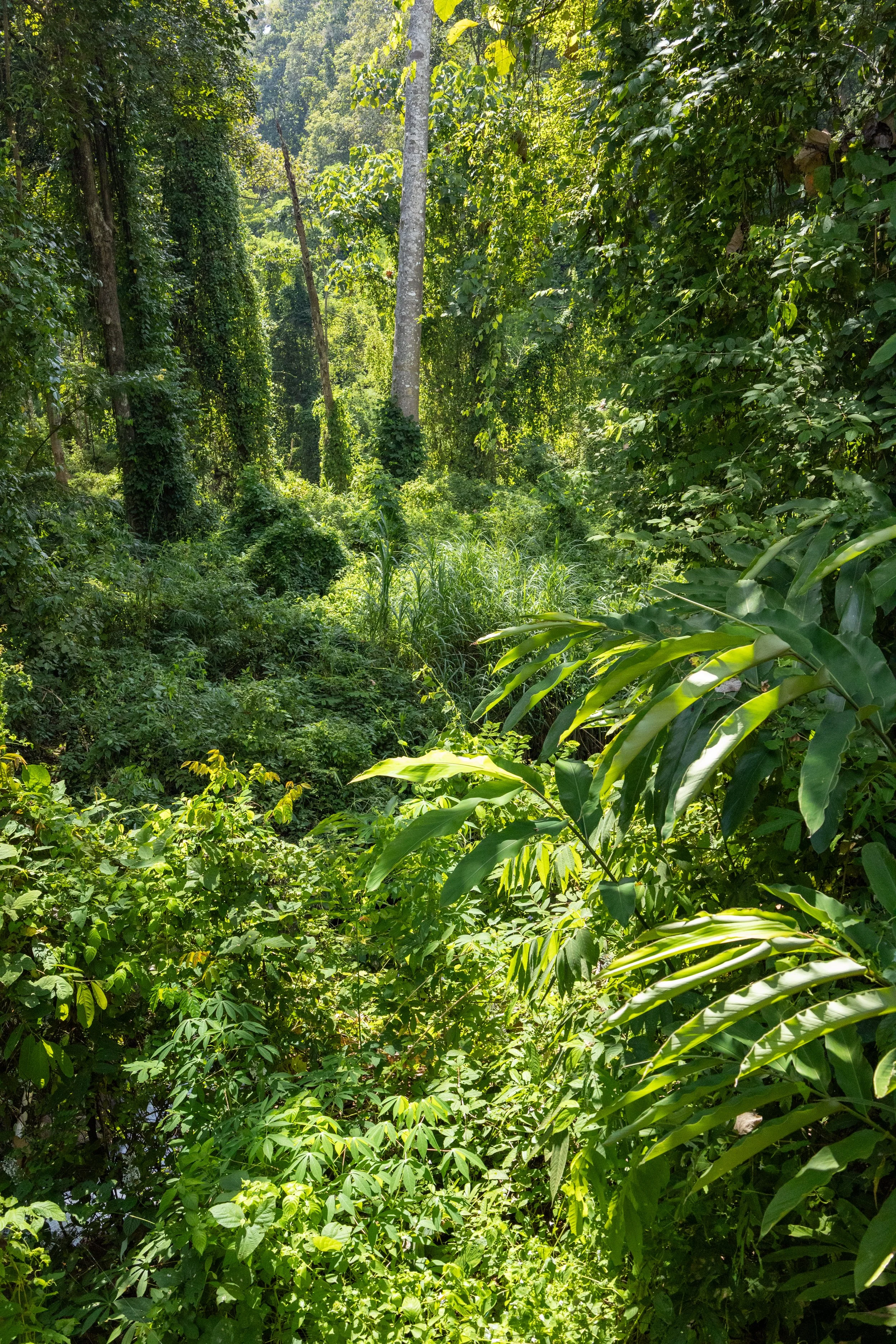
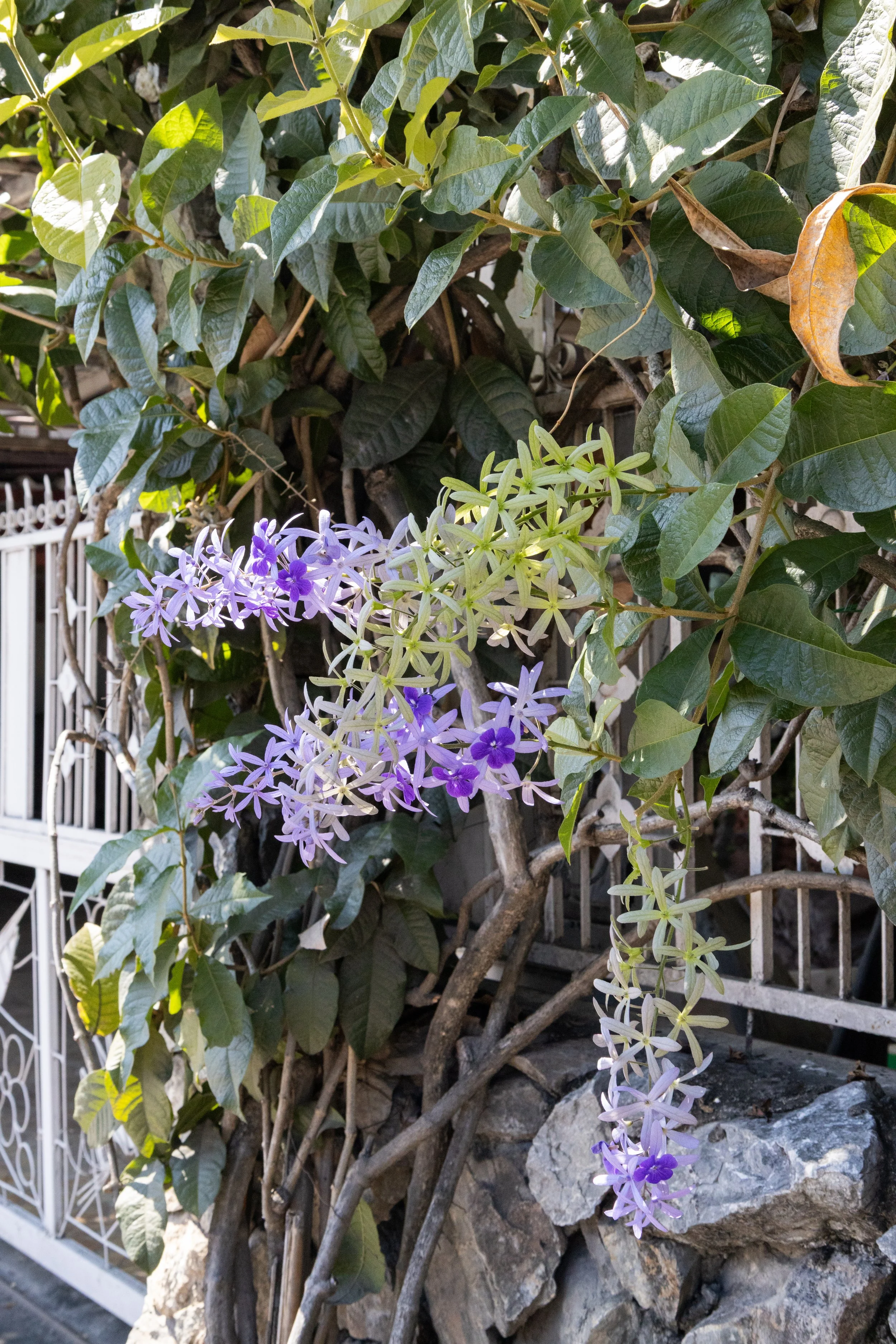
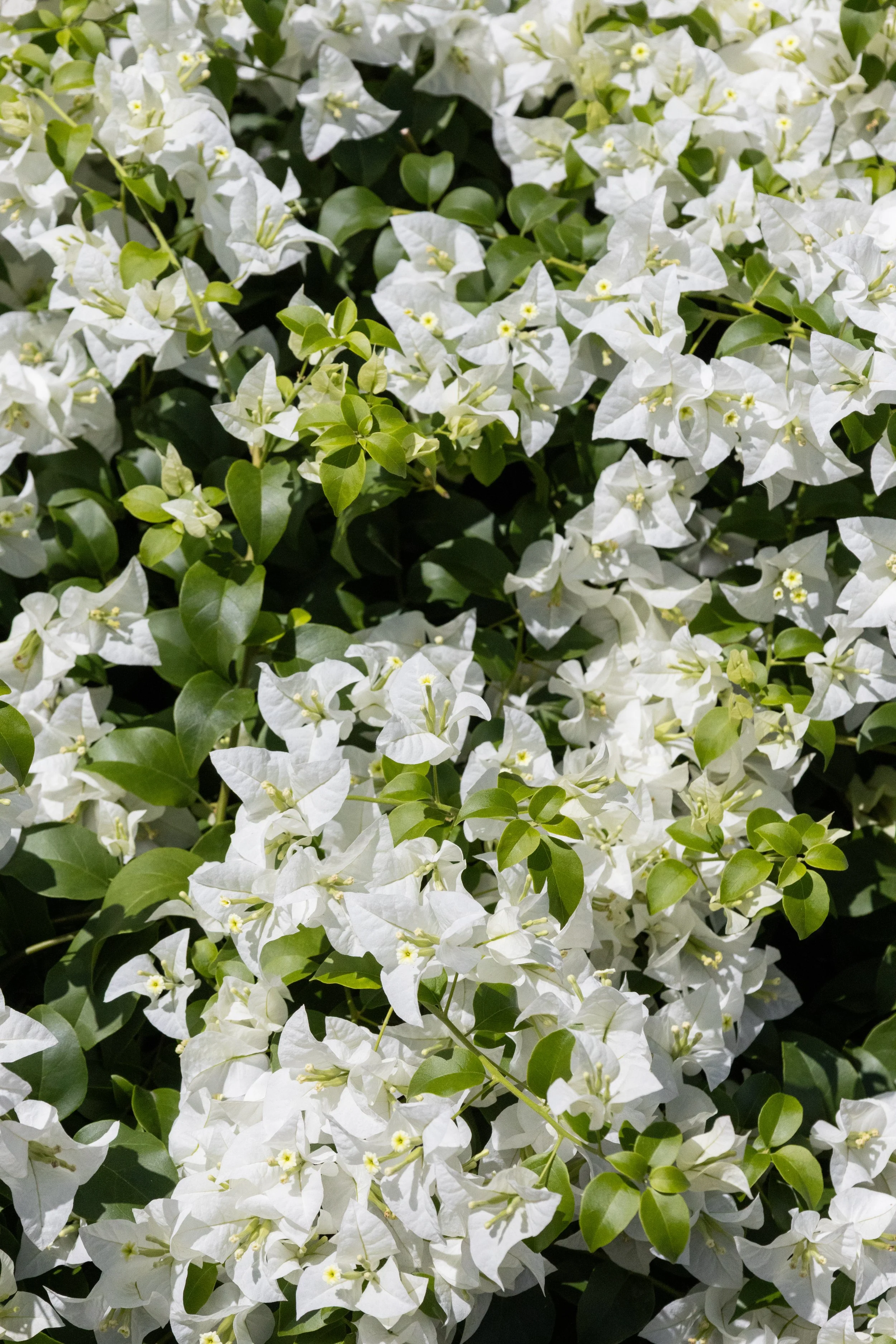
One of the most memorable experiences was visiting an elephant sanctuary, where we had the opportunity to interact with the elephants, feed them, and walk alongside them through the jungle. The tropical climate was another defining part of the experience: humid, warm, and reminiscent of summer year-round.
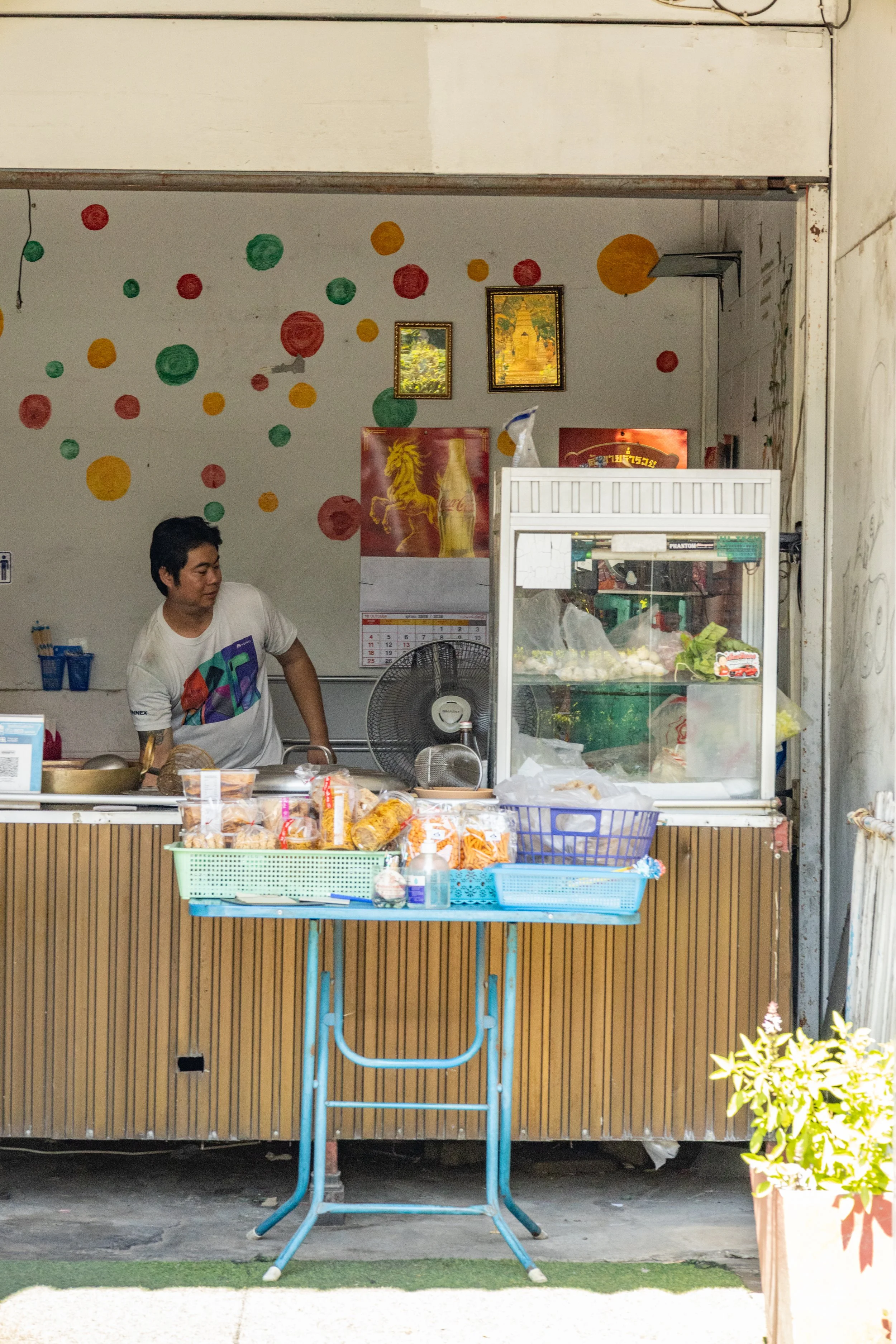
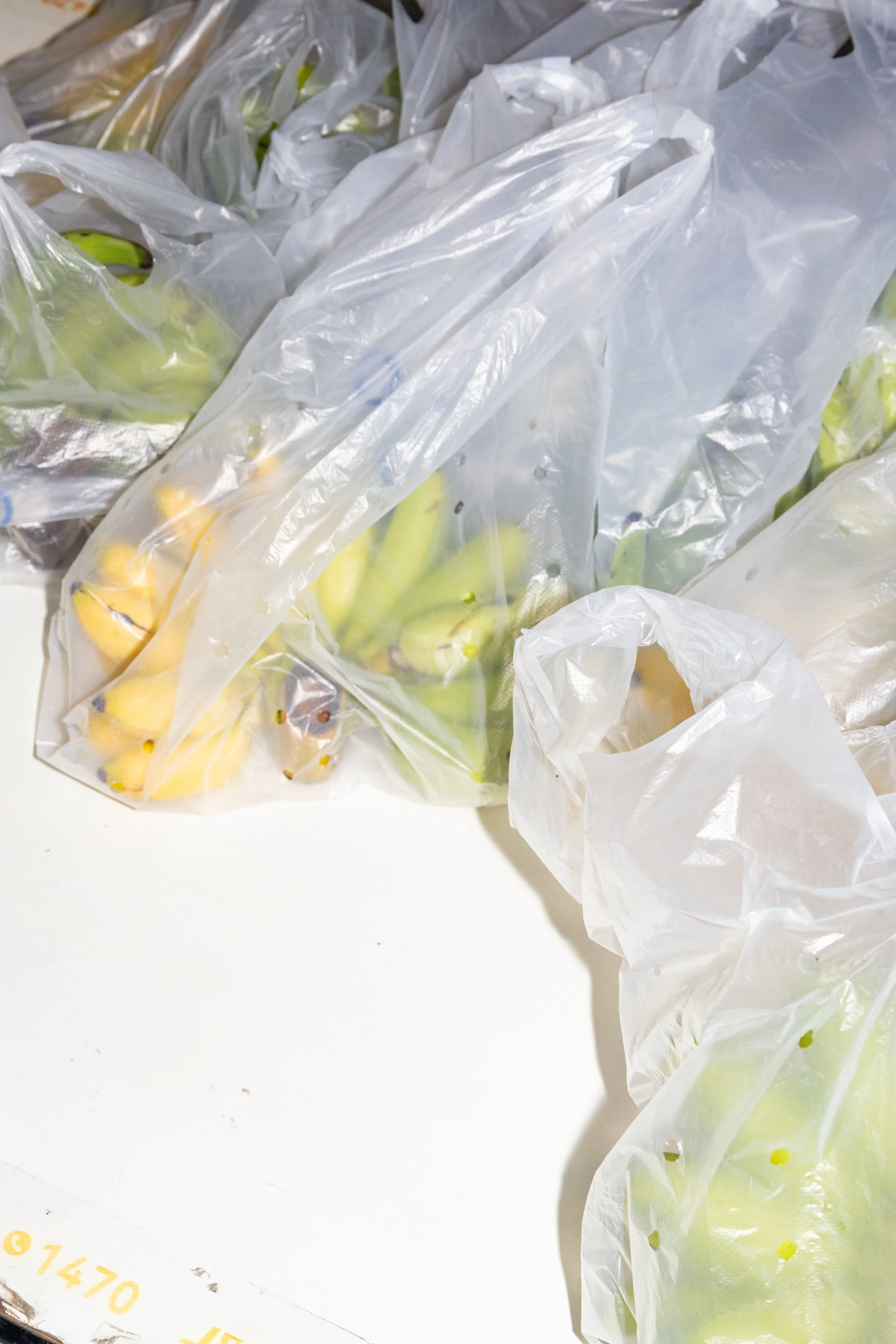
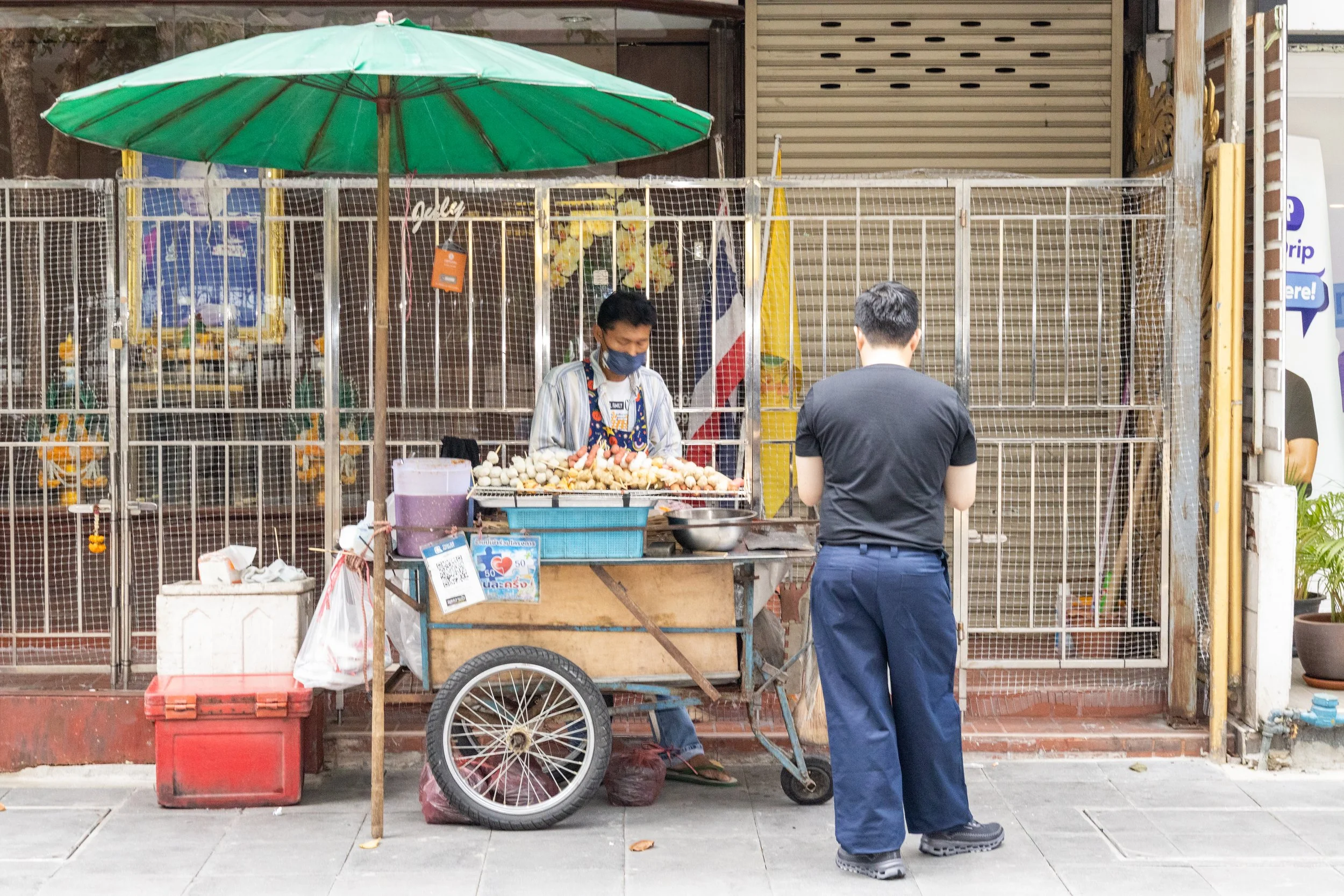
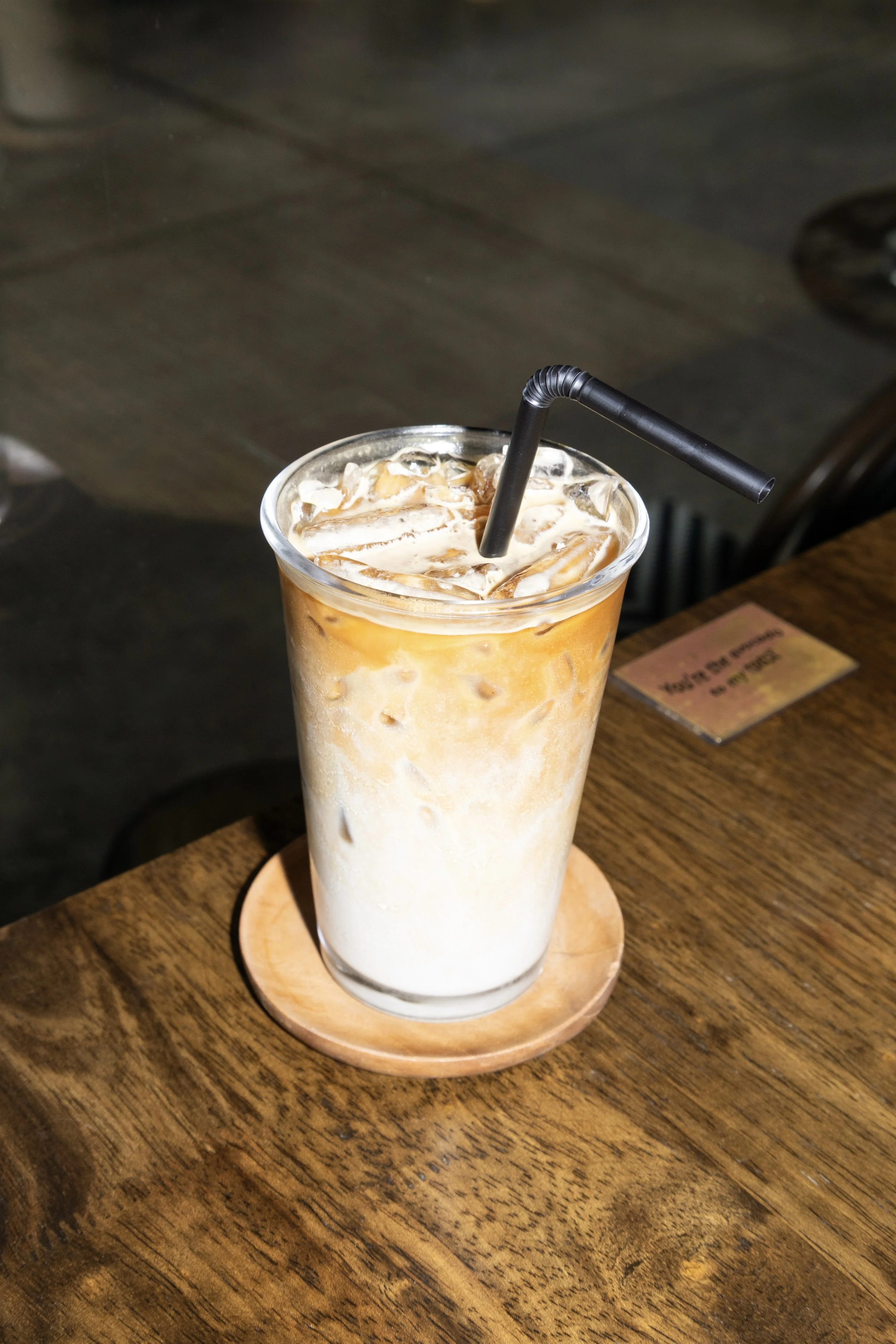
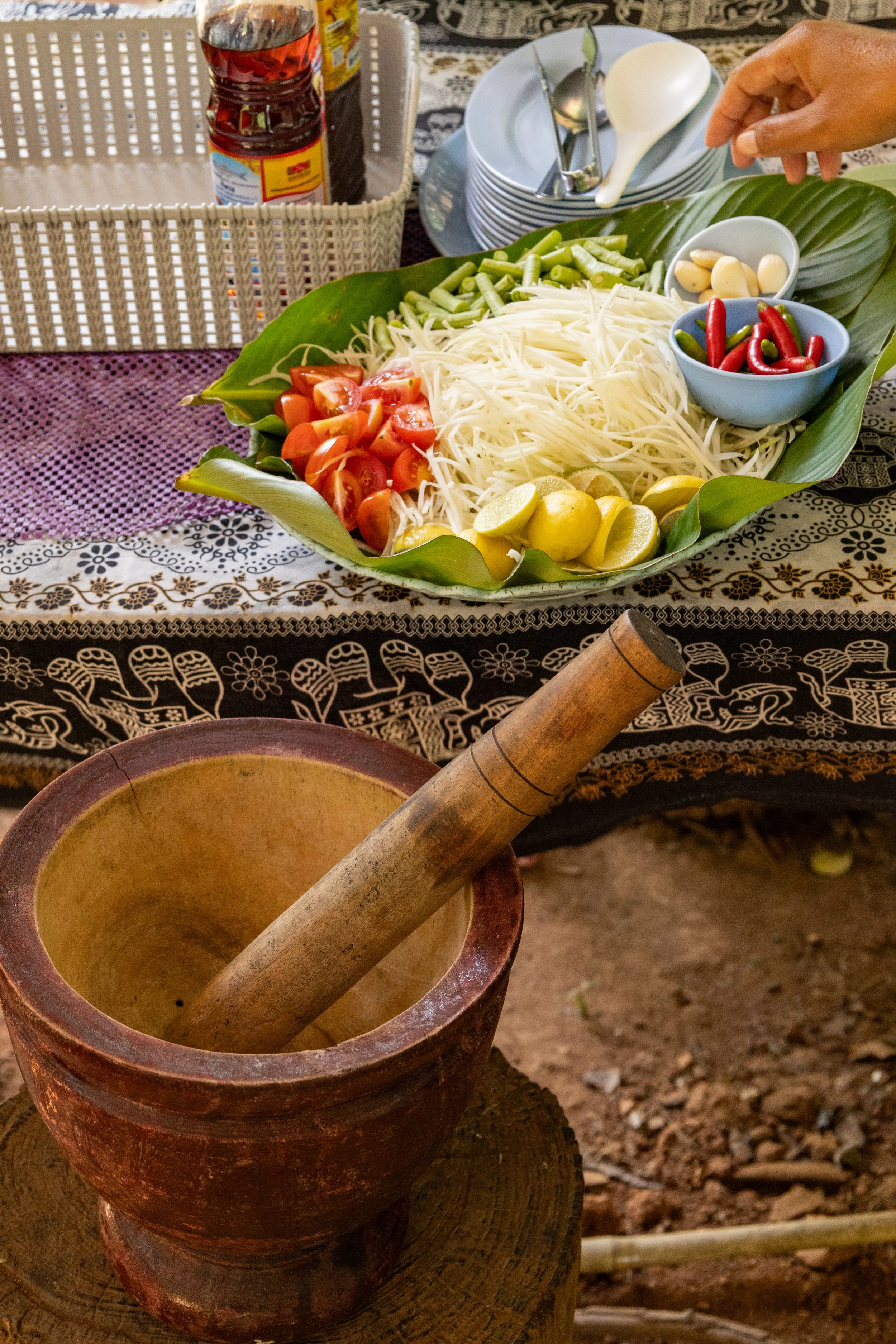
Beyond the imagery, the trip offered an opportunity to experience Thai cuisine in a completely different context. I was struck by the depth, complexity, and intensity of the flavors, which felt distinct from the Thai food I’ve grown accustomed to in the United States. Being Chinese, I also noticed familiar ingredients and culinary traditions, from congee and morning glory to deep-fried dough, that created an unexpected sense of familiarity. Chiang Mai introduced us to the richness of Northern Thai cuisine, while Bangkok offered an incredible diversity of regional and international influences.
America has a way of diluting the cultural specificity of international cuisine, often reshaping it through unfamiliar ownership structures and the demands of a capitalist society. In Bangkok, however, I encountered a different kind of modernity: one where tradition and contemporary life coexist in constant motion.
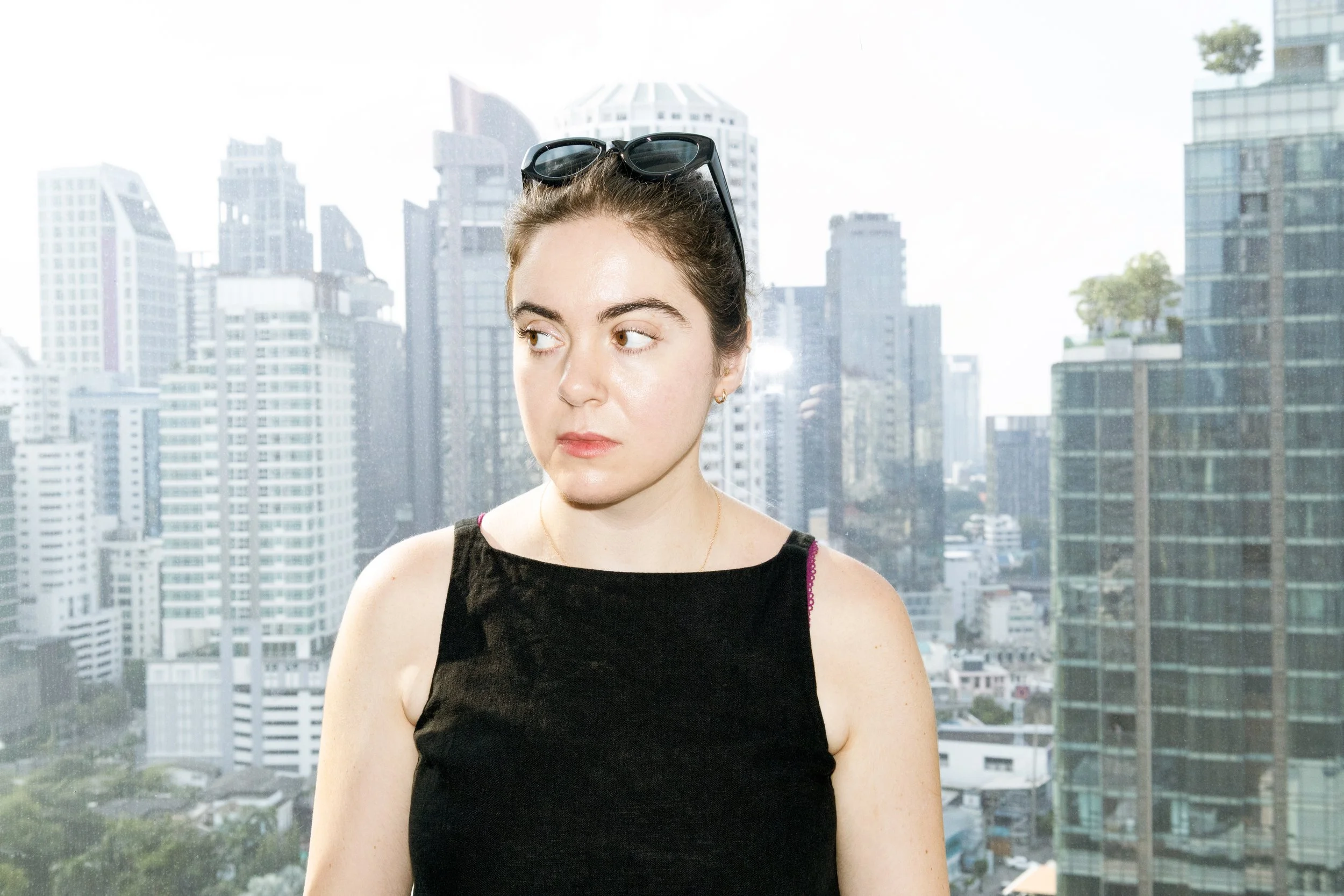
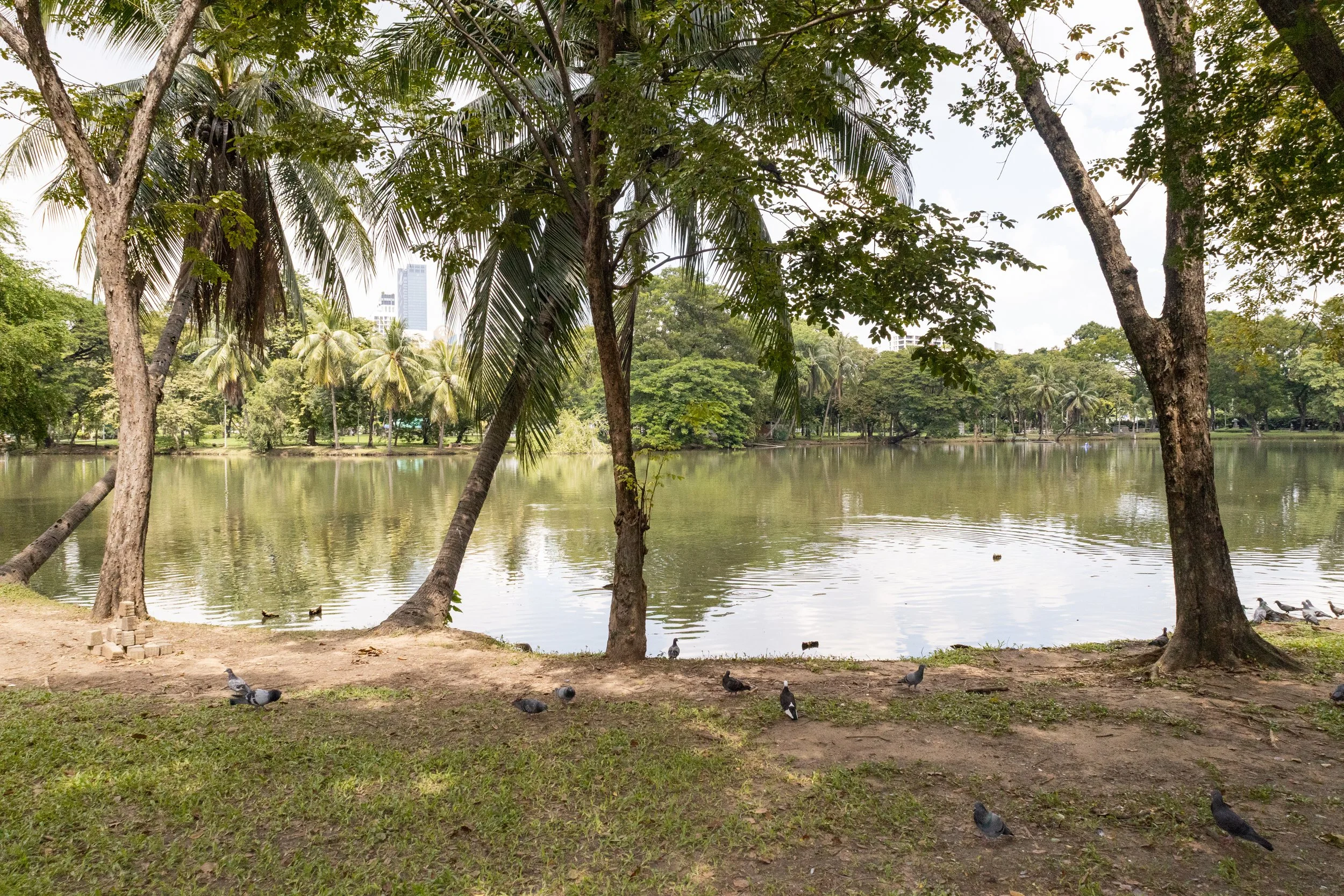
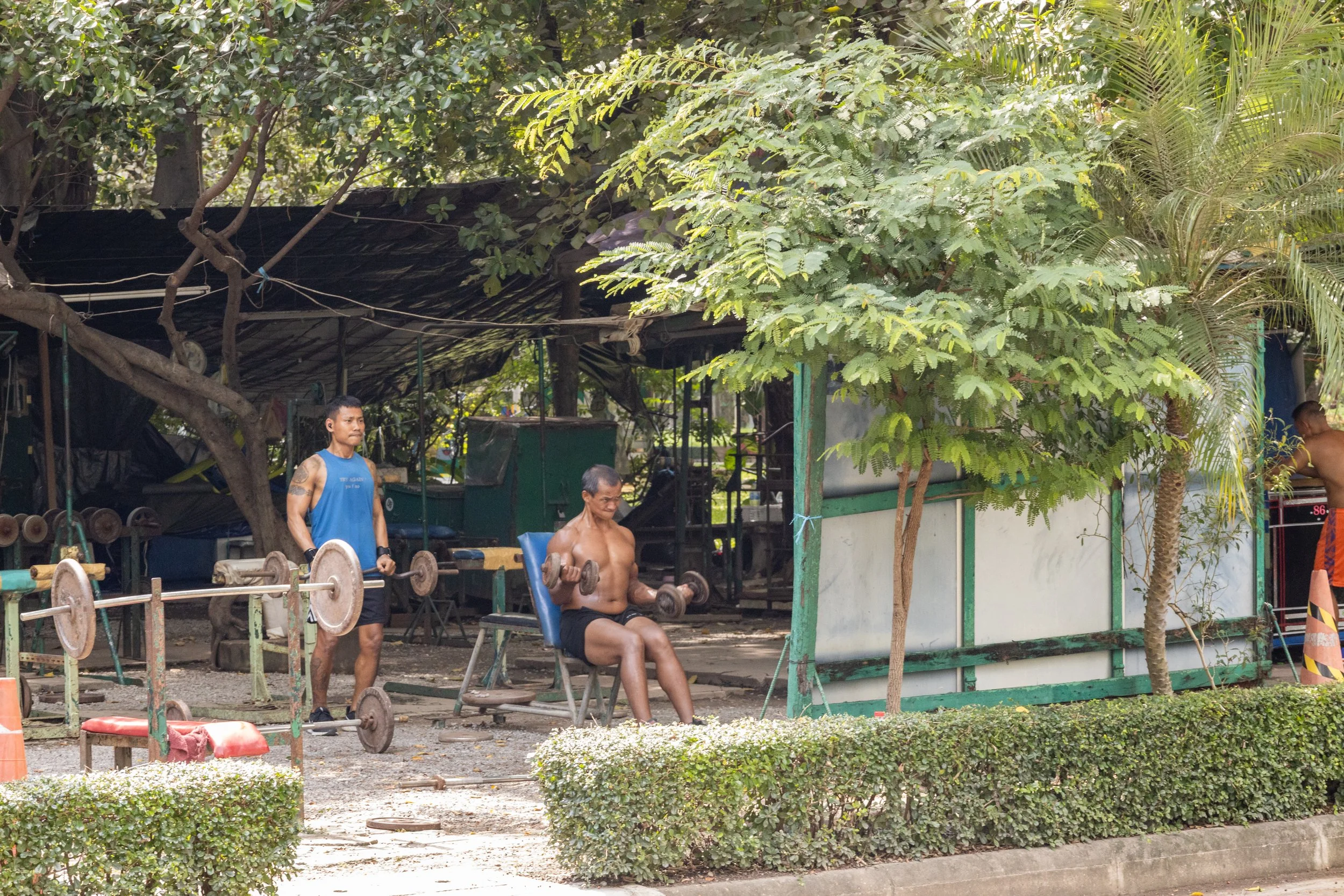
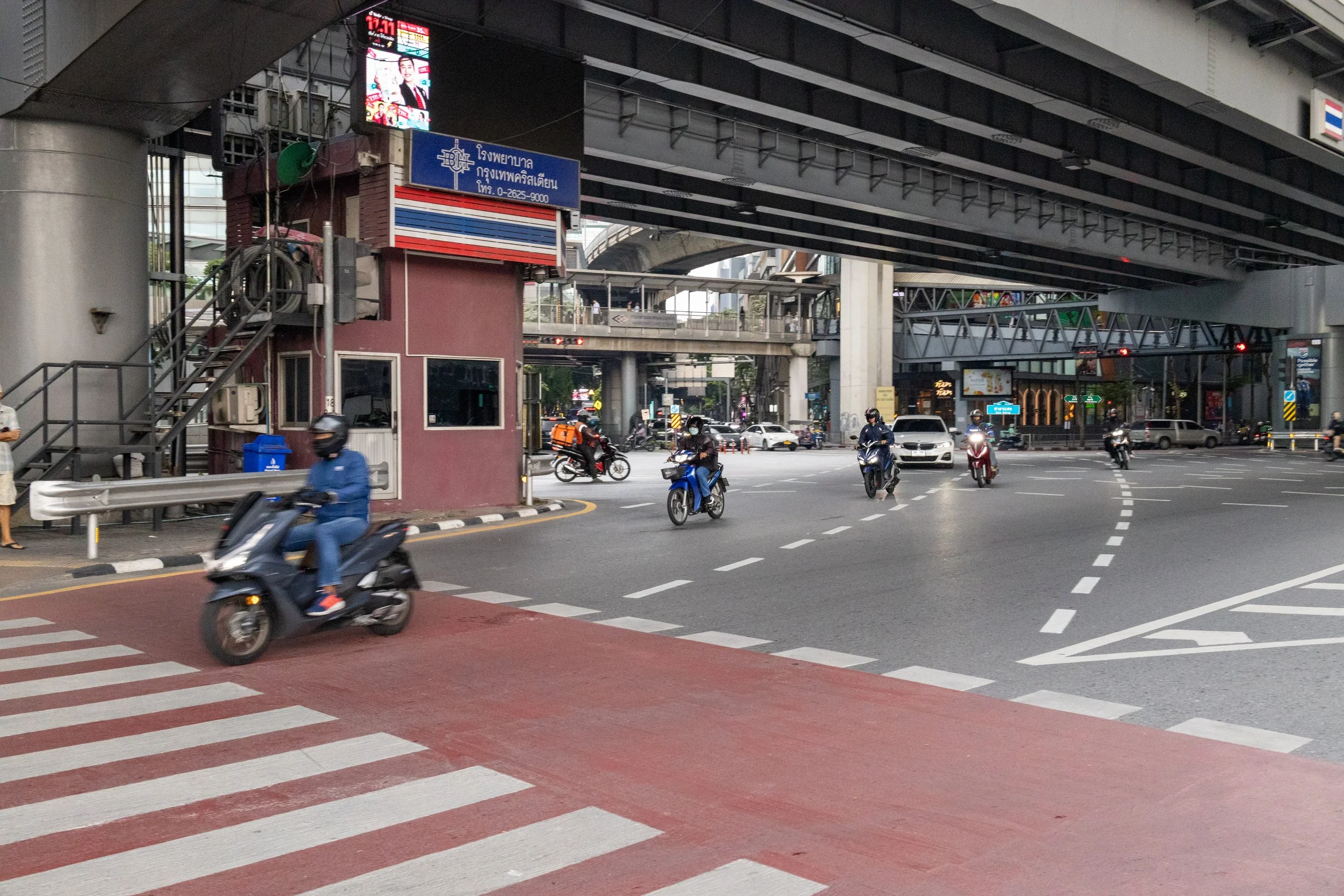
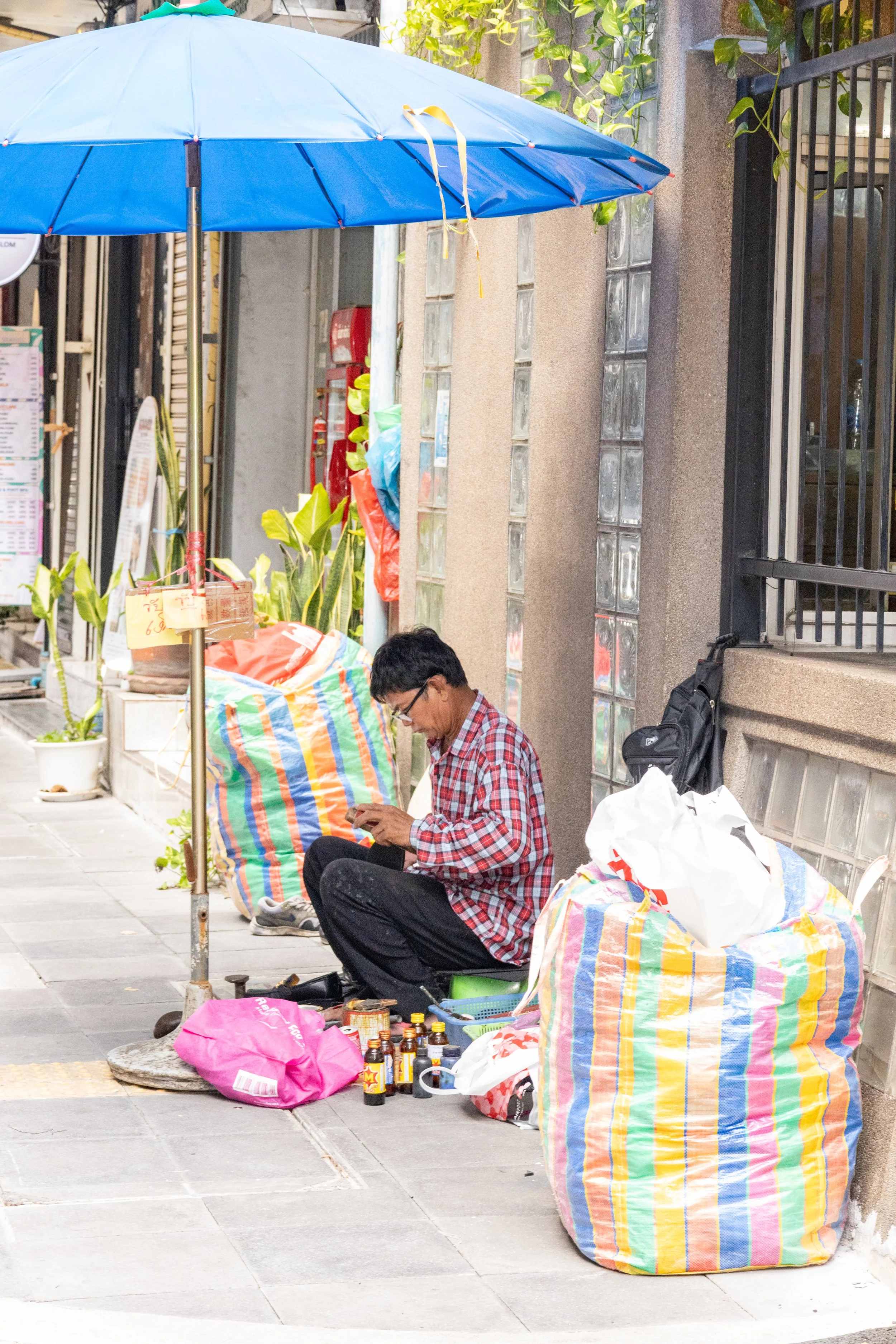
Locals and tourists moved through the city, navigating its sprawling malls, taking the train between neighborhoods like Thong Lo, and wandering through indoor and outdoor markets. At times, Bangkok reminded me of Tokyo, particularly Ginza, while other moments felt unexpectedly familiar, reminiscent of Bolivia.
I saw a few people from Thailand’s Indigenous communities, and I found myself drawn to the women’s attire. Hand-stitched dresses, fastened with two buttons at the back, layered over longer skirts, with a delicate paper flower adorning their heads. I wondered what these flowers symbolized, what histories were carried in the garments, and how these traditions persisted within such a rapidly evolving urban landscape.
Having been born and raised in Bolivia until the age of nine, I found myself thinking about the Indigenous communities there: the ways clothing, craft, and cultural identity are preserved and expressed across generations. In this tropical, modern environment, I was struck by the unexpected parallels between two places that, at first glance, seemed worlds apart.