TOKYO HAKONE KYOTO NARA OSAKA JAPAN
TOKYO HAKONE KYOTO NARA OSAKA JAPAN
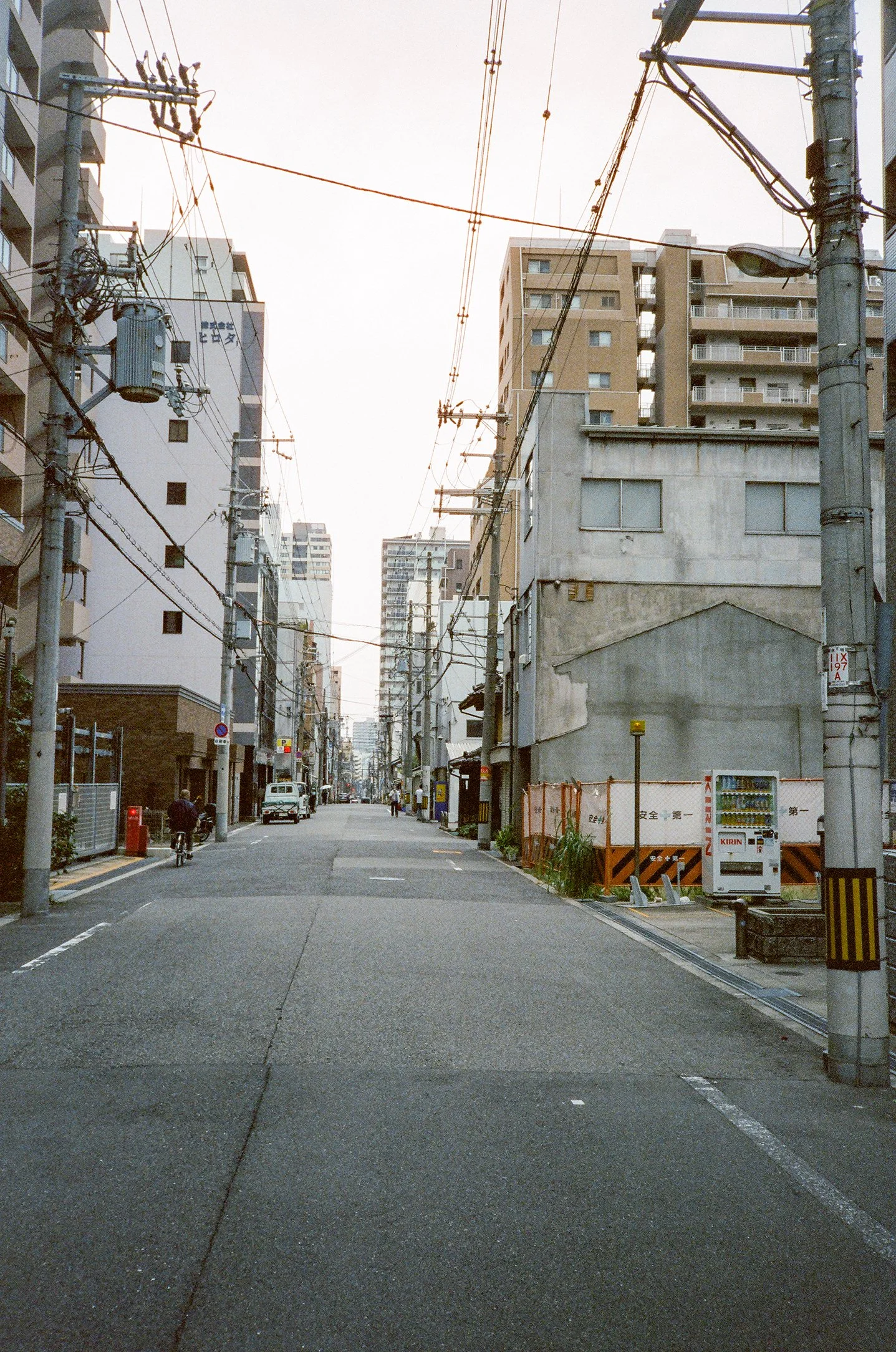
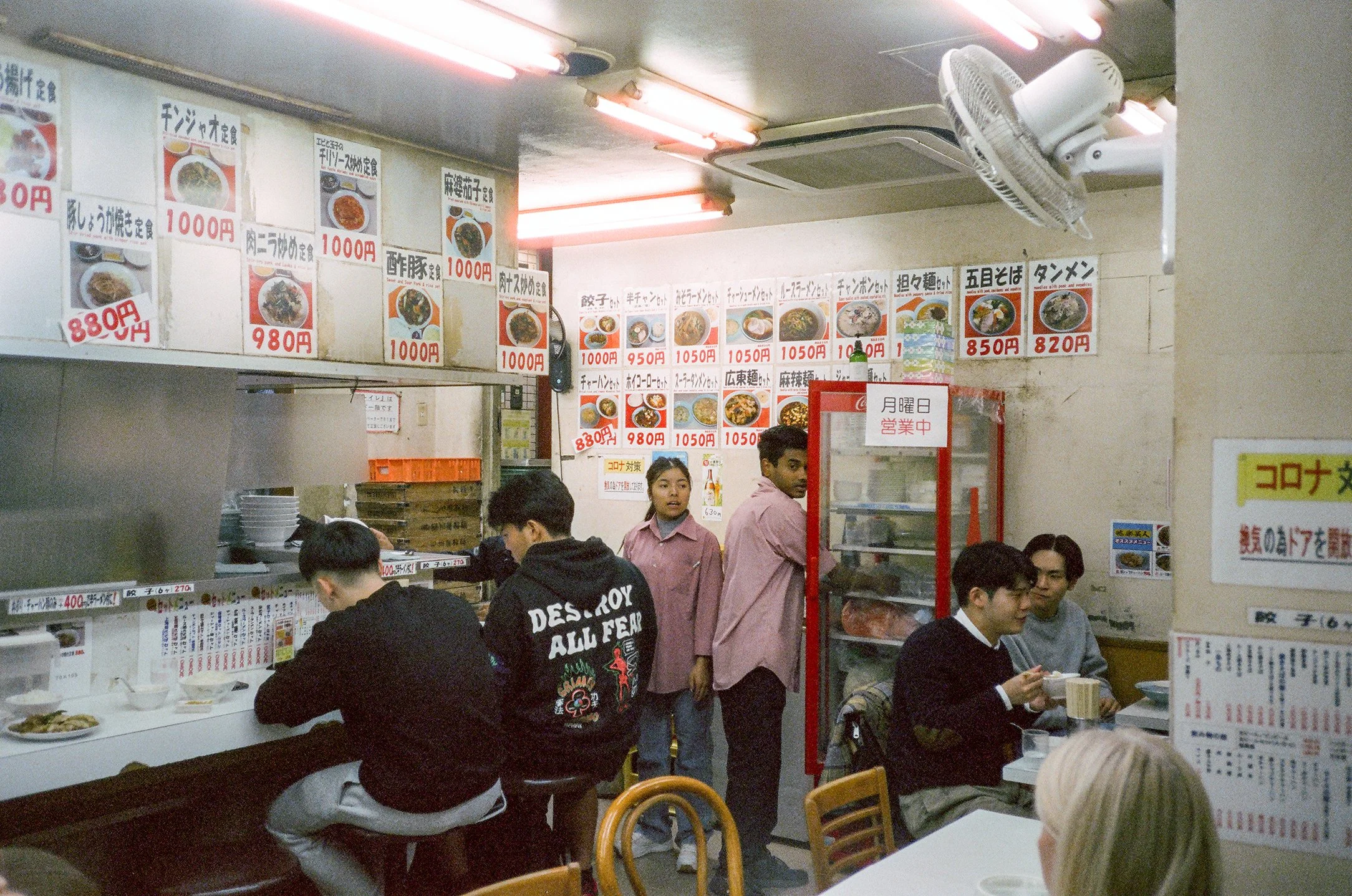
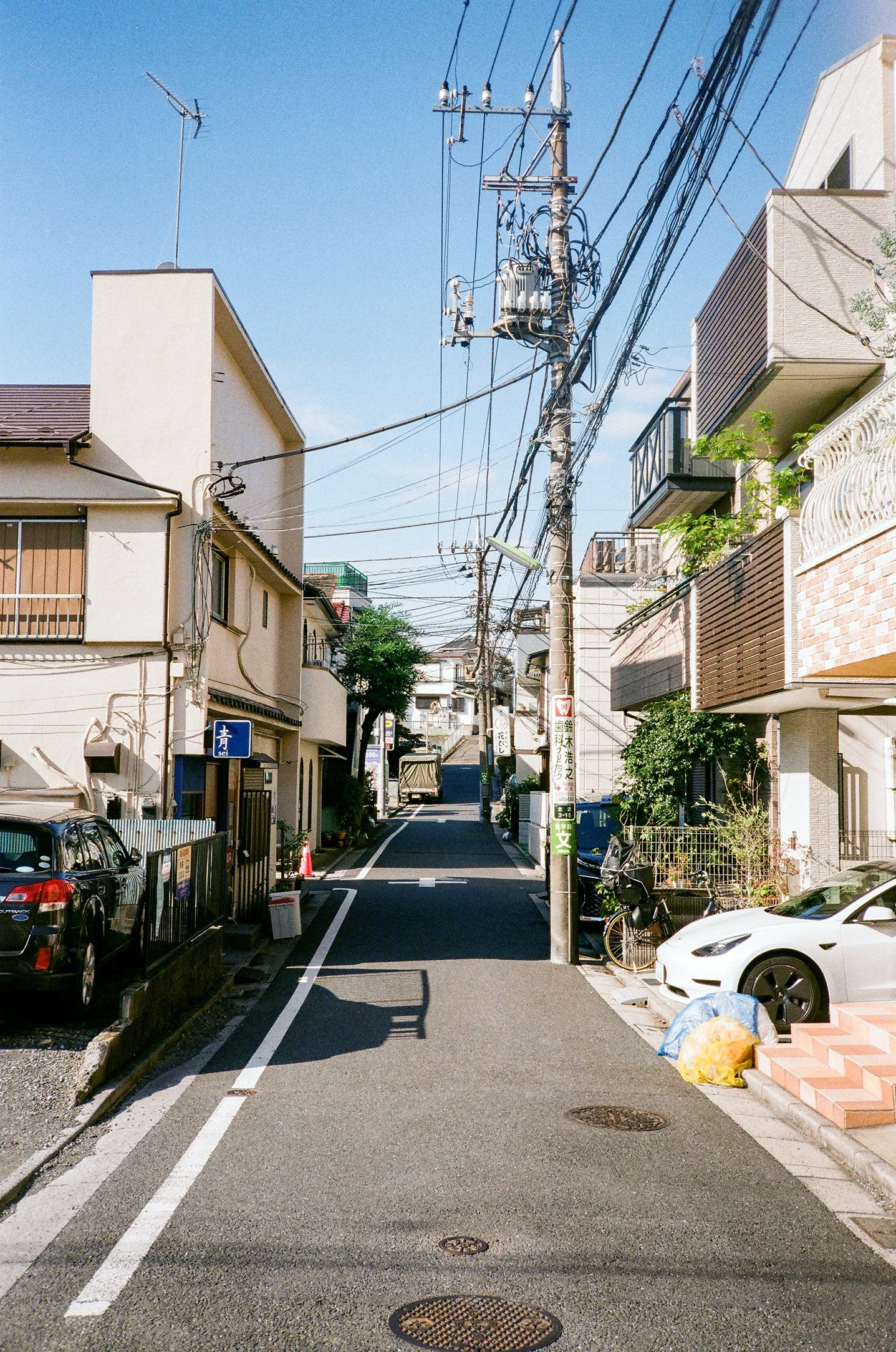
In November 2024, we took our first trip to Japan. Since the yen was lower than it is now, prices were surprisingly affordable: especially the food. The streets were clean, and there weren’t many homeless people around. The transit system was efficient and well organized, with designated seating for elderly passengers and cushioned train seats that made traveling more comfortable. Tokyo felt similar to New York City in its commercial energy, high-rise buildings, and sprawling cityscape. It’s no surprise it’s considered one of the largest metropolitan cities in the world.
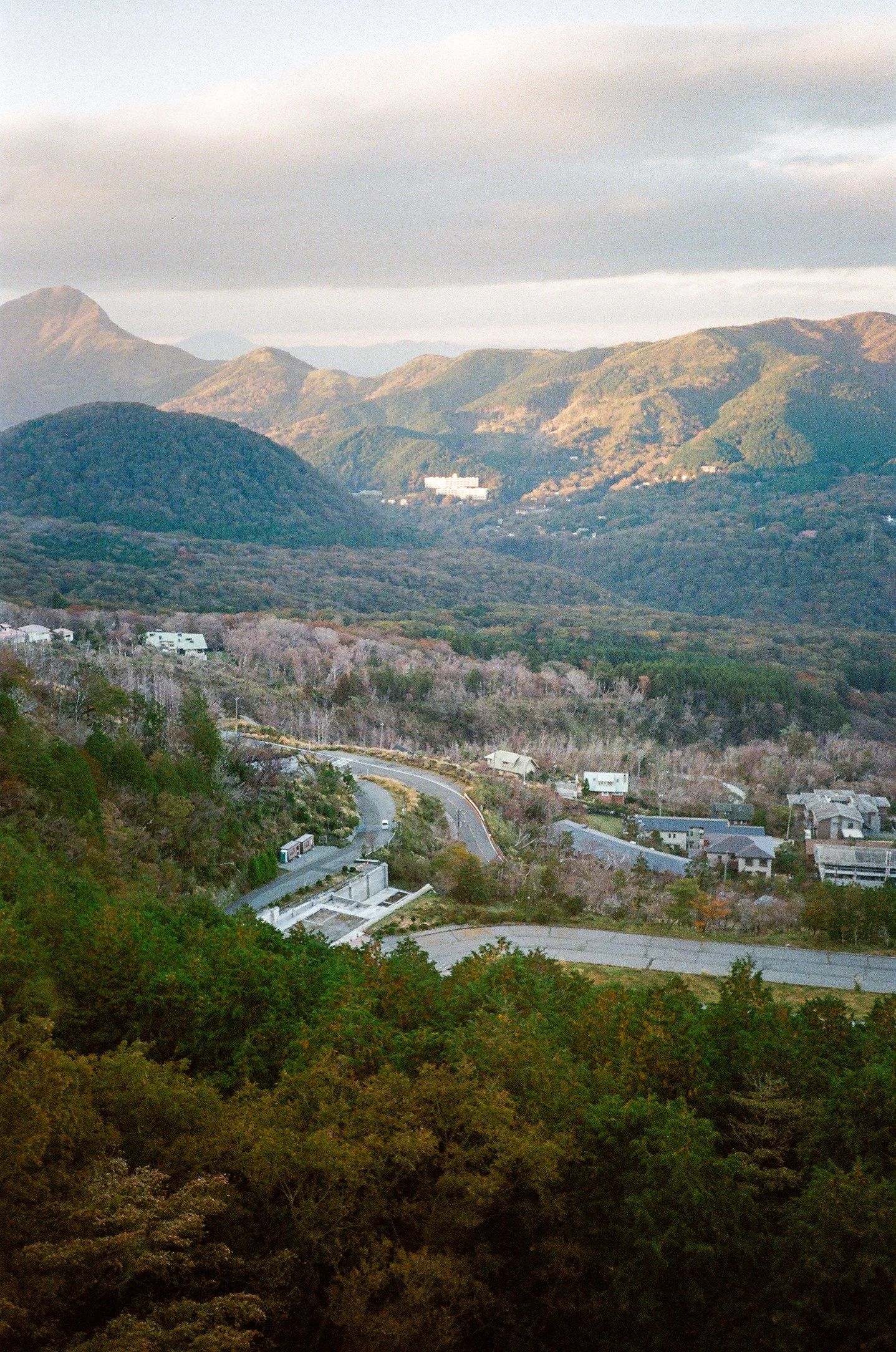
From Tokyo, we traveled to Hakone, where we stayed at an onsen with a private hot spring bath in an enclosed outdoor space overlooking Mount Fuji. It was the perfect place to relax, take in the country views, and breathe fresh mountain air. From Hakone, we took the bullet train to Kyoto, where the atmosphere was noticeably different from Tokyo. Many of the buildings in Kyoto are low to the ground, giving the city a calm, laid-back feel.
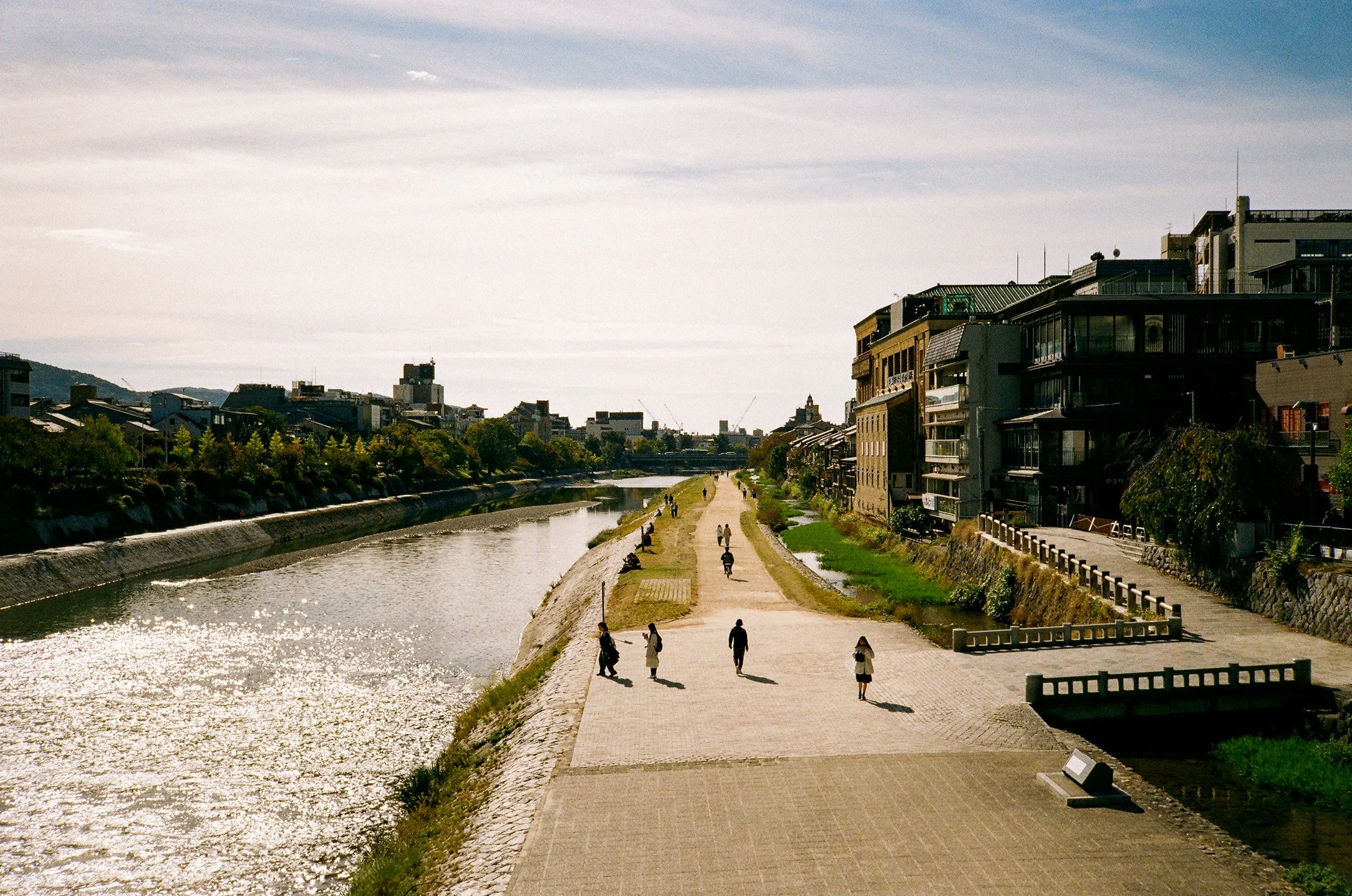
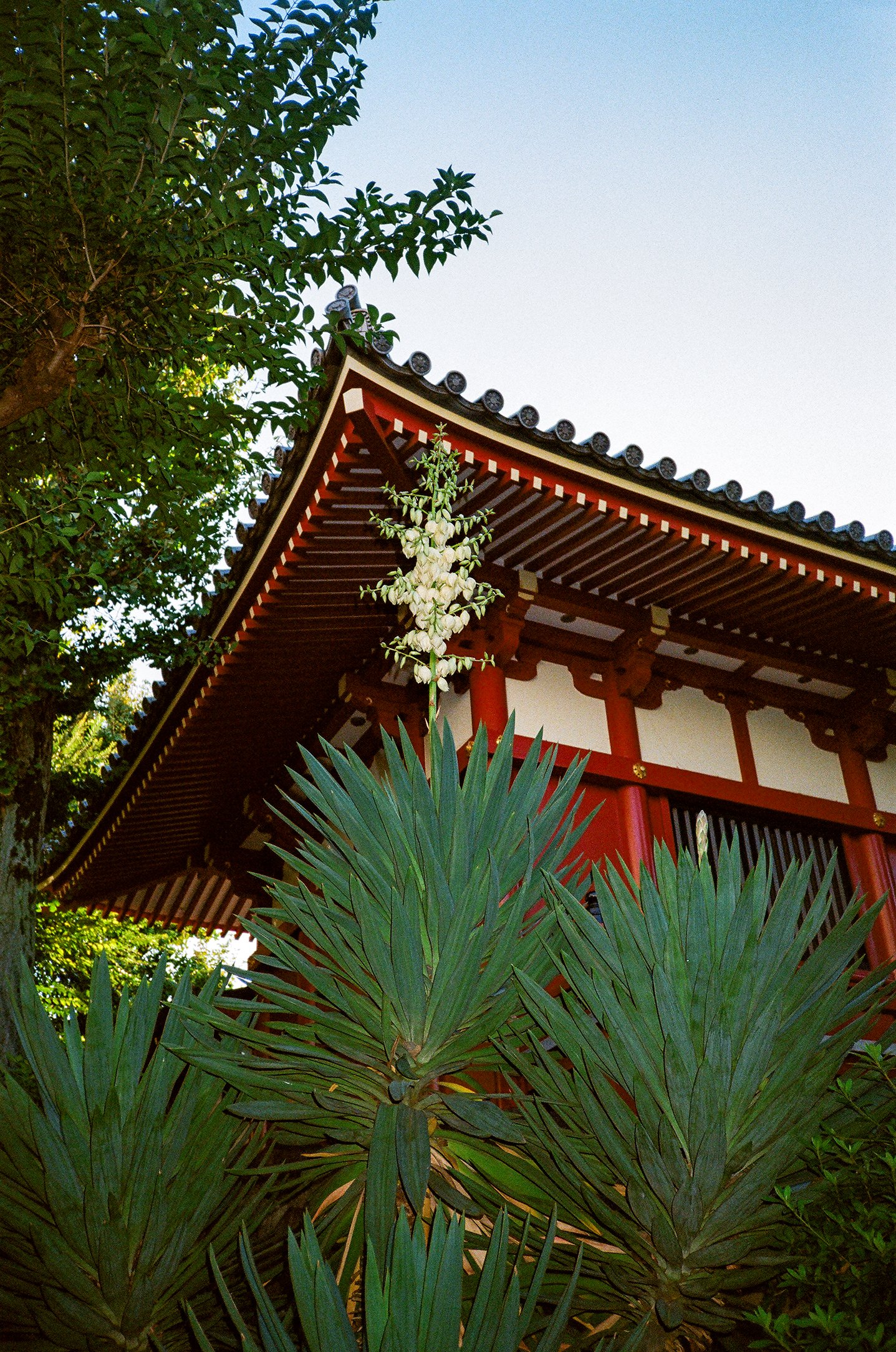
The Kamo River runs along Kyoto from north to south. The walk-through bridges, side-swept walkways, and canals are reminiscent of the Seine River that flows through Paris. The shopping district is extensive, you can find just about anything you’re looking for. In a way, Kyoto gives off a West Coast vibe, minus the palm trees.
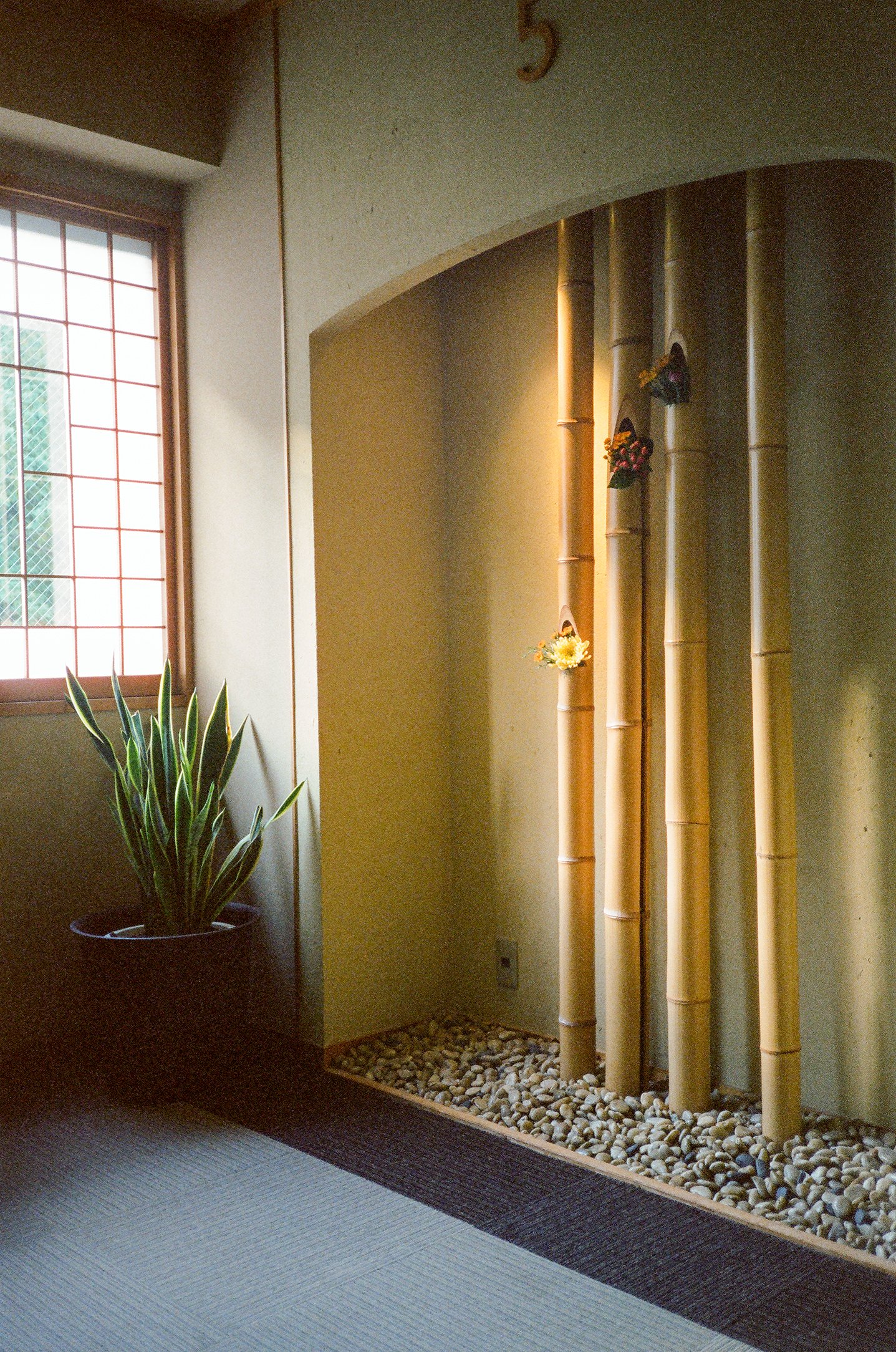
Food in Japan is reasonably priced because the country prioritizes feeding both locals and tourists. It’s a beautiful philosophy when you think about it. It reminds me of ikebana: “giving life to flowers,” using nature to evoke emotion and connection with humanity.
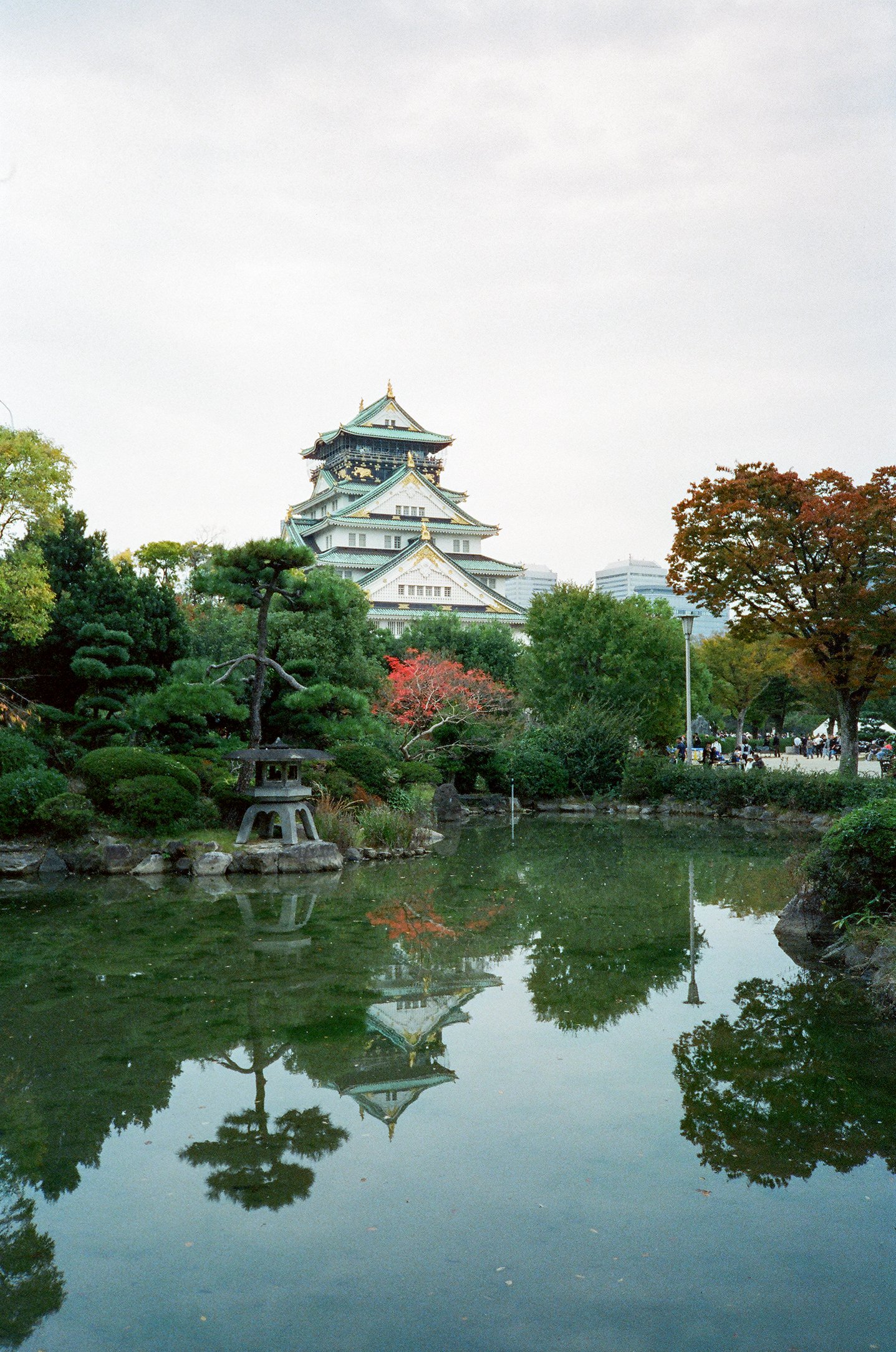
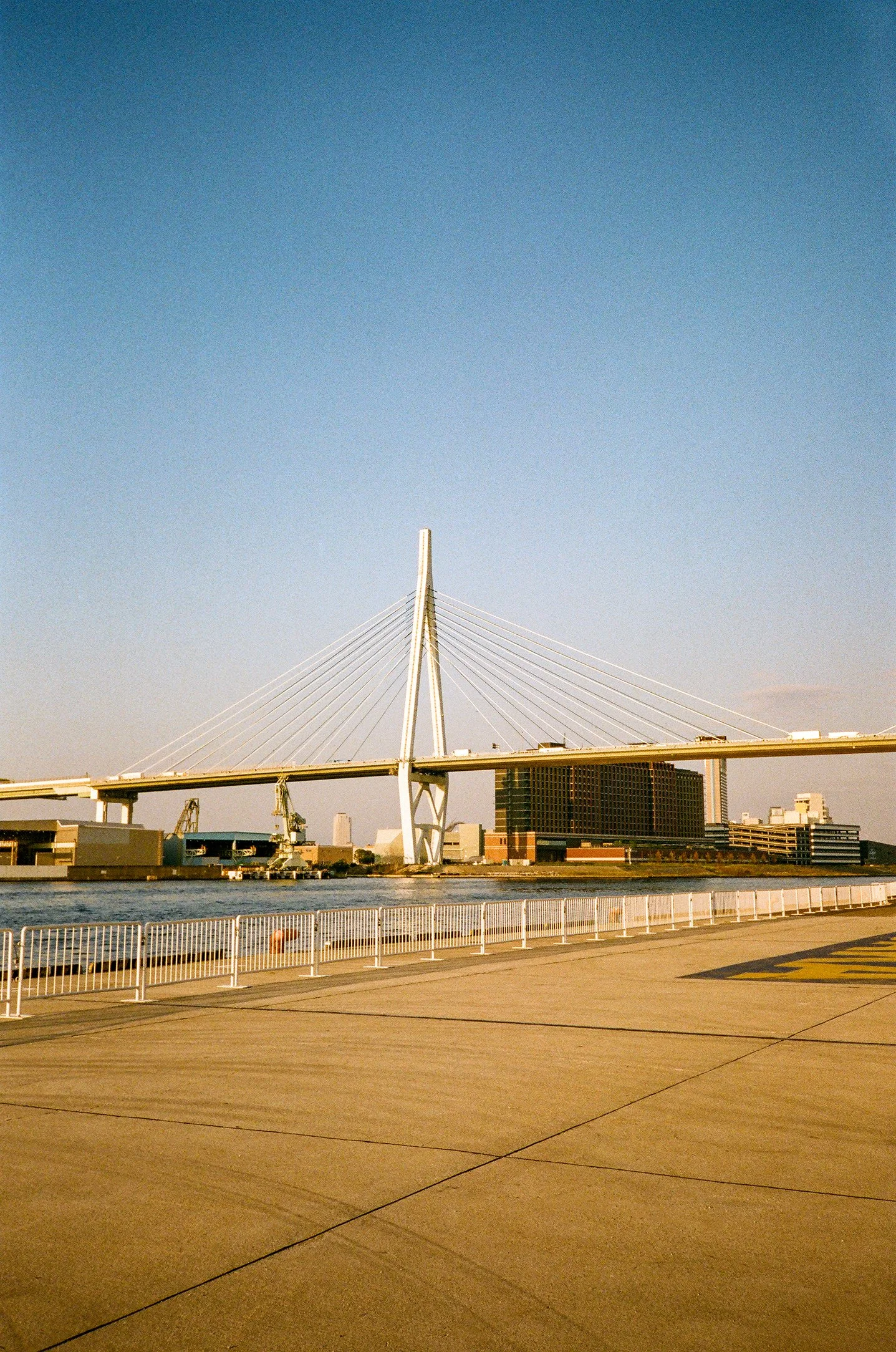
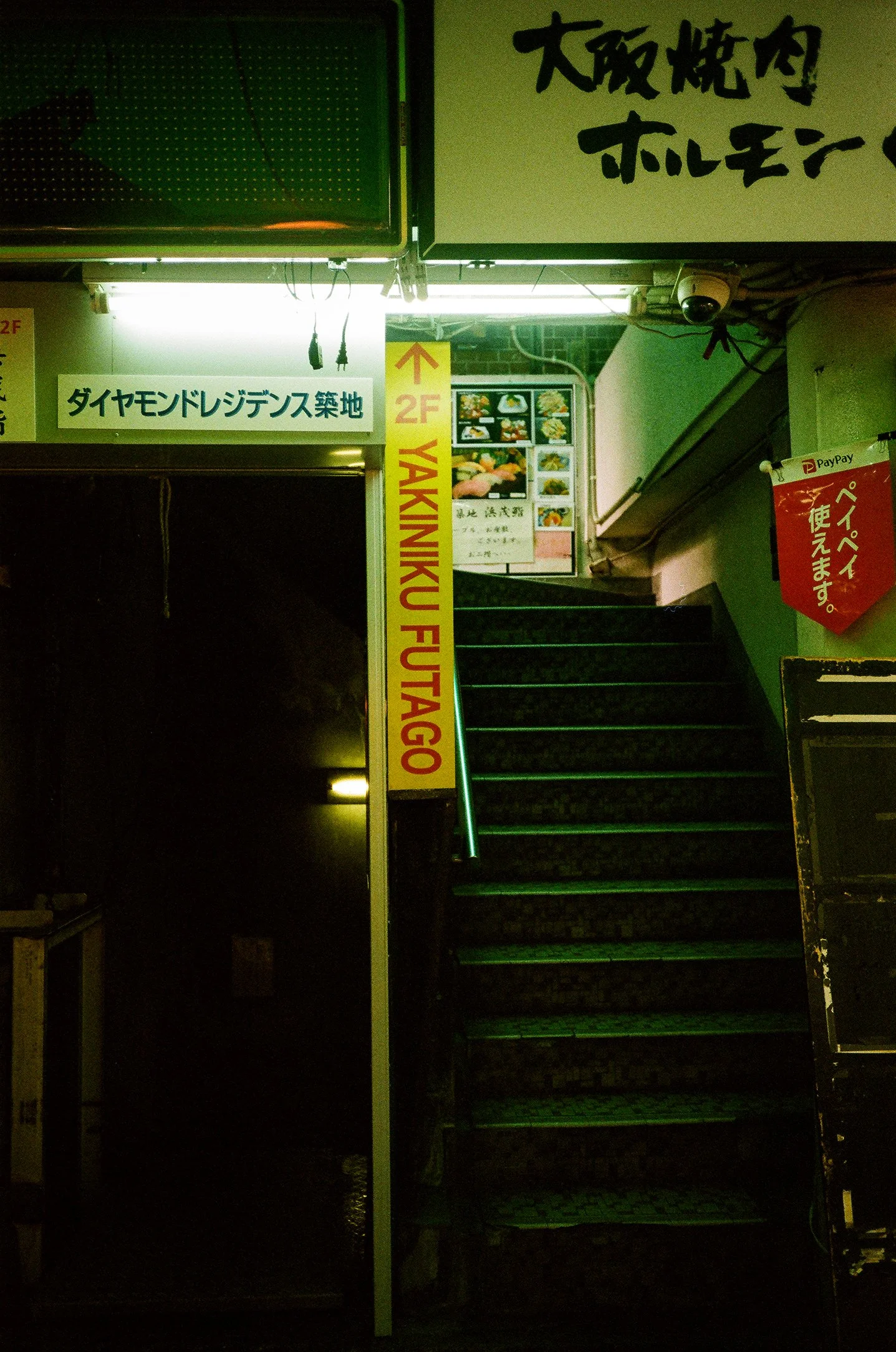
From Kyoto, we took the train to Osaka. The buildings there felt more like a financial district. Salaried men walked the streets in groups after lunch, smoking cigarettes near the local smoke shops. Osaka is known as the kitchen of Japan, and its most populated areas are packed with restaurants, glowing at night like Times Square.